
What Is The Value Of 1943 Steel Penny
Hey there, fellow coin enthusiasts and curious minds! Ever rummaged through an old piggy bank or found a dusty jar of coins in the attic and wondered, "What's this old penny worth?" We've all been there, right? It's like a tiny treasure hunt in your own home. Today, we're going to talk about a specific kind of penny that often pops up – the 1943 steel penny. Now, don't go thinking every single one is going to make you a millionaire, but understanding their story is pretty neat, and knowing their potential value can be a fun little surprise!
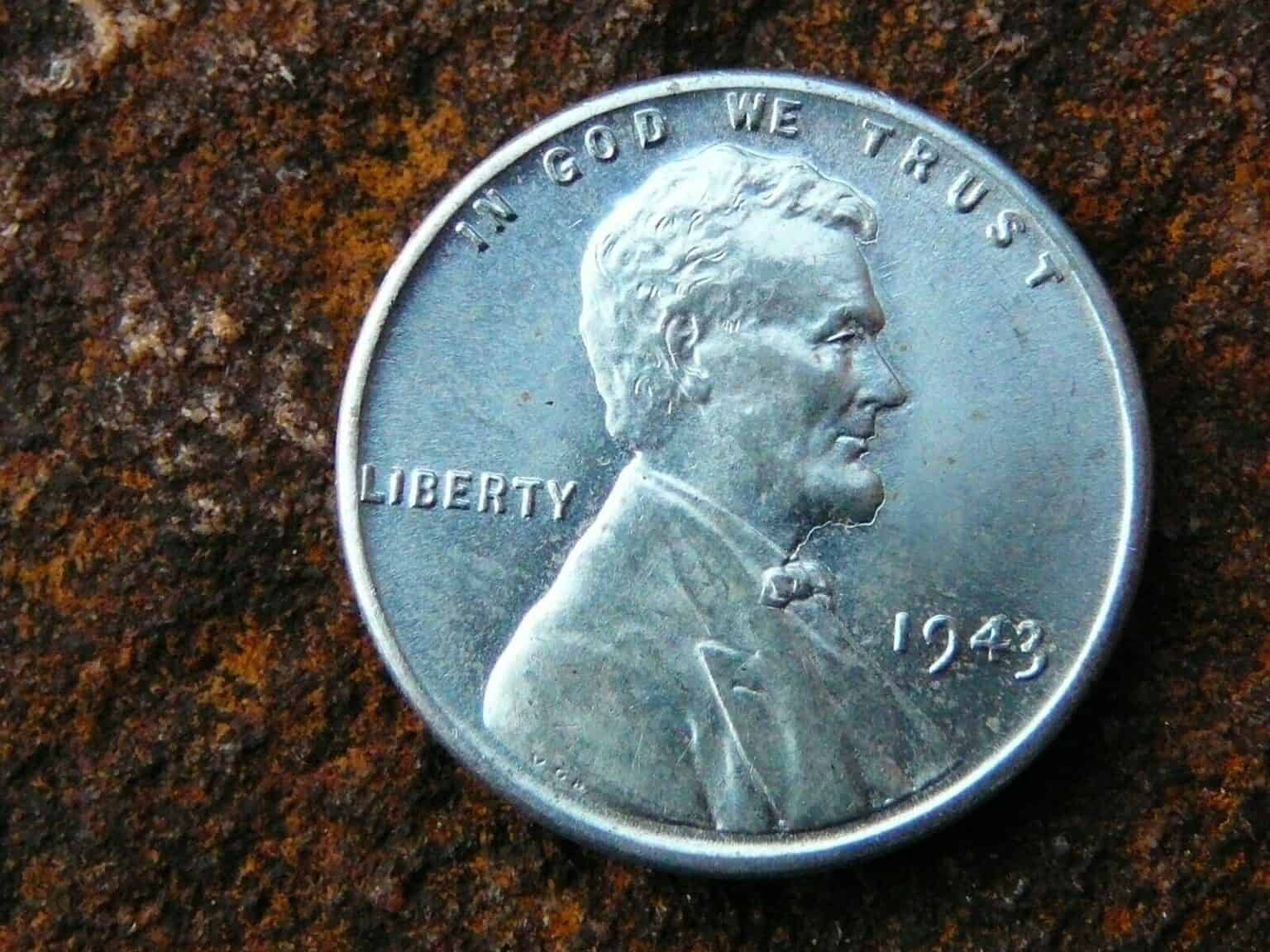
Imagine this: You're helping Grandma clean out her old sewing box, and nestled amongst the buttons and spools of thread, you find a handful of these silvery-looking pennies. They're lighter than your usual copper pennies, and they have a distinct sheen. That's a pretty good clue you might have a 1943 steel penny on your hands! Unlike the copper pennies we're used to, these were made from steel. But why? That's where the story gets interesting.
A Penny's Wartime Makeover
Back in 1943, the United States was in the thick of World War II. You know, rationing, victory gardens, and everyone pitching in for the war effort? Well, the U.S. Mint had a similar idea with its pennies. Copper, which was the usual material for pennies, was a critical resource for the war. Think about all those bullet casings and aircraft parts – they all needed copper!
So, to save precious copper for the war machine, the U.S. Mint decided to get creative. They switched gears and started minting pennies out of steel, coated with a thin layer of zinc for protection. It was a brilliant, if temporary, solution. It was like swapping out your comfy everyday sneakers for some heavy-duty work boots when you really need to get the job done. These steel pennies were a symbol of the nation's ingenuity and determination during a challenging time.
So, What's the Big Deal About Their Value?
Now, here's the part that might tickle your treasure-hunting bone. Most 1943 steel pennies aren't worth a fortune. We're talking about a value that's usually just a few cents to maybe a dollar or two, depending on their condition. Think of it like finding a well-loved toy from your childhood – it's got sentimental value, and it's definitely cool to look at, but it's not likely to be a priceless antique.
However, there are a couple of exceptions that make these pennies truly special and potentially valuable. These are the ones that make collectors' eyes light up like a kid on Christmas morning. These exceptions are what turn a common coin into a potential payday!

The Elusive "Mint Mark" Mystery
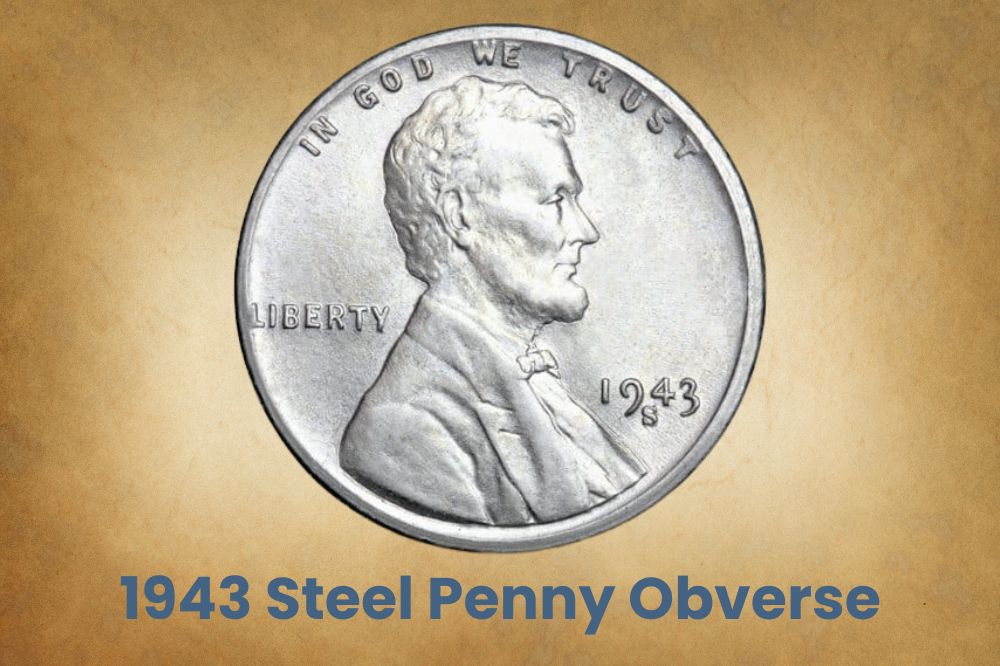
You know how sometimes a recipe calls for a special ingredient that makes all the difference? For 1943 pennies, the "special ingredient" is often a tiny letter, called a mint mark, stamped on the coin. These marks tell you where the coin was minted. Pennies from 1943 were primarily made in Philadelphia (no mint mark), Denver (a small 'D'), and San Francisco (a small 'S').
Most 1943 steel pennies you find will have one of these regular mint marks. And as we said, they're generally not going to break the bank. But here's where the plot thickens, and the value can really jump. What if you found a 1943 penny that was mistakenly made with copper? Yep, you read that right! It sounds like a typo, doesn't it?
The Legendary 1943 Copper Penny
This is the absolute rockstar of the 1943 penny world. During the brief switch to steel, a very, very small number of pennies were accidentally struck on copper planchets (that's the blank metal disc before it's stamped into a coin). It's thought that these copper blanks might have been left over from the previous year's mintage or somehow got mixed in. It’s like finding a golden ticket in a regular chocolate bar – super rare and incredibly exciting!
These 1943 copper pennies are extremely rare. Imagine finding a perfectly ripe strawberry in the middle of winter – that’s how rare we’re talking. Because of their rarity, they are highly sought after by coin collectors. If you were to find one, and it's authenticated, it could be worth hundreds of thousands, or even over a million dollars! Yes, a million dollars for a penny! It’s the stuff of legend and makes you want to check every single 1943 penny you ever come across, doesn't it?
So, how do you tell if you have one of these mythical creatures? Well, the easiest way is the color. 1943 steel pennies are a silvery-gray color. A 1943 copper penny will look like a regular, familiar copper penny. Also, steel pennies are lighter and will stick to a magnet, while copper pennies won't.
Other Factors Affecting Value
Beyond the copper anomaly, the condition of your 1943 steel penny plays a big role. Just like how a pristine, never-been-played-with action figure is worth more than one with chewed limbs, a coin in excellent condition will be worth more than one that's heavily worn, scratched, or corroded. Collectors want coins that look as close to their original glory as possible.

Imagine comparing two identical books. One is crisp, with no bent pages or torn covers. The other has been read countless times, with dog-eared pages and a cracked spine. The pristine one is generally more desirable, right? The same applies to coins. A "mint state" or "uncirculated" 1943 steel penny, meaning it's never been used in everyday transactions and looks brand new, will fetch a higher price than a "circulated" one that's been passed around.
So, while the vast majority of 1943 steel pennies are common and only worth a little bit, the dream of finding that rare copper version or a perfectly preserved steel specimen is what makes them so fascinating. It’s a tiny piece of history, a reminder of a nation's wartime efforts, and for a lucky few, a potential jackpot!
Why Should You Care?
Even if you're not a serious coin collector, there's a good reason to care about the 1943 steel penny. Firstly, it's a tangible link to the past. Holding one is like holding a small story from World War II. It reminds us of the sacrifices made and the ingenuity of people during that era. It's history you can hold in your hand!
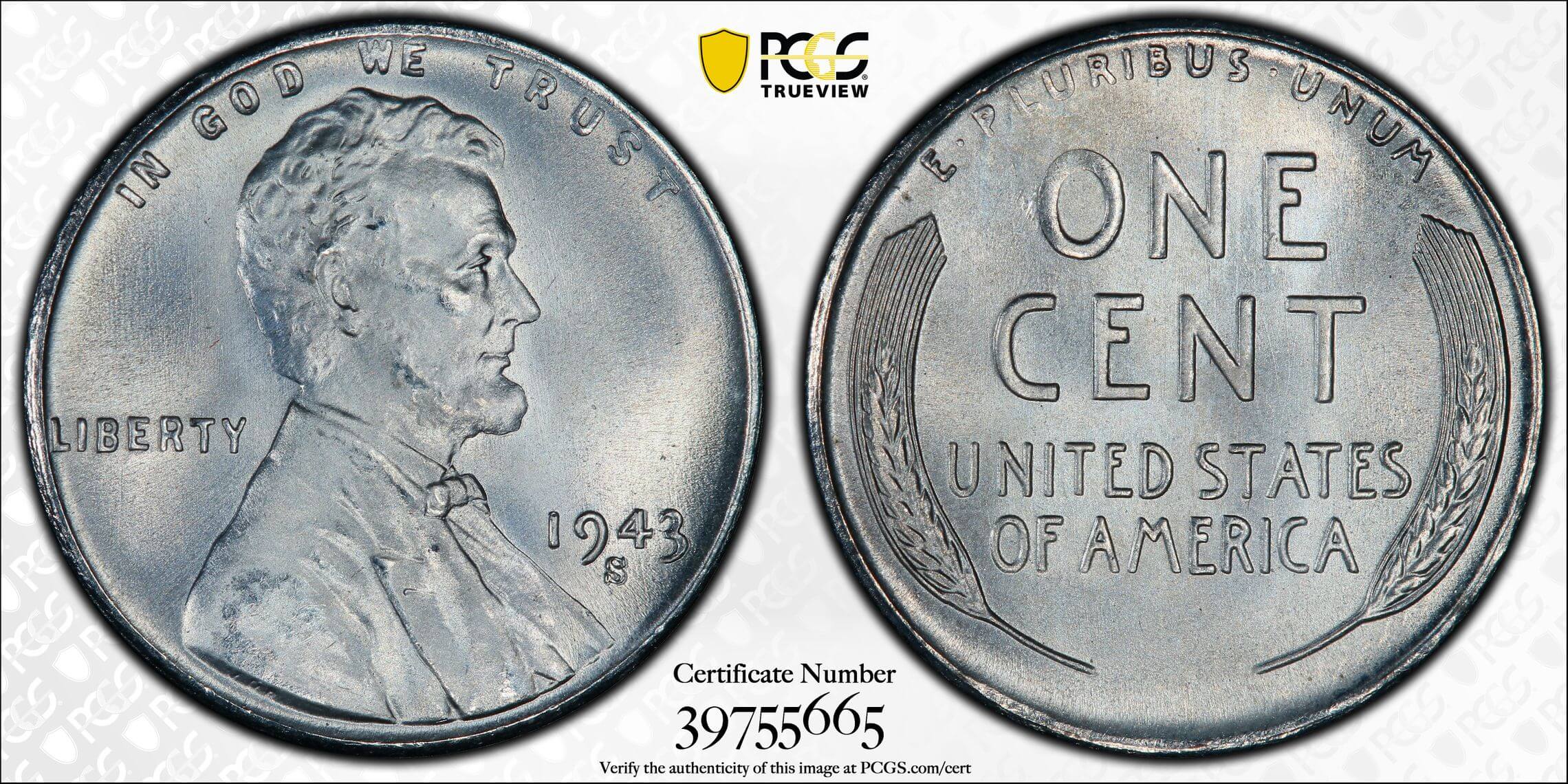
Secondly, it’s a fun little game. The next time you're sorting through change or find an old jar of coins, you can pull out any 1943 pennies and give them a quick check. You don't need expensive magnifying glasses or special tools. Just a quick look at the color and maybe a magnet test. It’s a simple, low-stakes way to engage with history and maybe, just maybe, get a little bit lucky.
Think of it like finding a cool seashell on the beach. Most shells are lovely, but finding a rare, perfectly formed one is an extra special treat. The 1943 steel penny is like that. Most are interesting historical curiosities, but the possibility of finding something extraordinary adds a layer of excitement to the everyday.
So, the next time you stumble upon a 1943 penny, don't just toss it back into the change jar. Take a moment, admire its silvery sheen, and remember the story behind it. And who knows? You might just be holding a little piece of history that’s worth more than its weight in steel… or perhaps, even more than gold!