
What Metals Do Metal Detectors Detect
Alright, settle in, grab your imaginary latte, and let's talk about the magical boxes that go "beep" and make us all feel like Indiana Jones on a budget. You know, metal detectors. These things are pretty neat, right? They hum and whine, promising hidden treasures, and sometimes, if you're lucky, they actually deliver. But what exactly are they sniffing out? Is it just anything shiny? Or is there a whole secret metal society they're part of?
So, you’ve got your shiny new metal detector, looking all sleek and sci-fi. You point it at the ground, and it starts making noises that sound like a dying robot bird. Now, you might think, "This thing just wants to find gold! Because gold is awesome, and it sparkles, and it's what pirates buried!" And yes, gold is definitely on the menu. But metal detectors are, believe it or not, a bit more sophisticated than a magpie with a caffeine addiction.
The magic behind these beeping buddies is all about electromagnetism. It’s like a tiny, invisible dance party happening between the detector and the stuff underground. The detector sends out a magnetic field, a bit like a ghostly handshake. If this handshake bumps into metal, the metal gets a little excited. It then sends back its own wobbly magnetic response, which the detector is, of course, dying to hear.
Think of it this way: the detector’s coil is like a radio transmitter, sending out signals. When those signals hit a metal object, they create a tiny electric current in that object. This current then generates its own magnetic field, which is like a whisper back to the detector. The detector’s receiver coil then picks up this whisper and turns it into that lovely, or sometimes infuriatingly vague, beep.
Now, not all metals are created equal in the eyes of a metal detector. They’re not all, you know, best friends. Some metals are like the popular kids at the metal party, very responsive and easy to detect. Others are more shy, or maybe just a bit too cool to bother with. This is where things get a little more technical, but don’t worry, we're keeping it light. We’re not building a rocket ship here, just digging up old bottle caps.

The "Good Guys": Metals That Love to Be Found
The real stars of the show, the ones your detector is practically doing a happy dance for, are the ferrous metals. These are your iron-based goodies. Think old nails, rusty coins, discarded bits of machinery, maybe even a knight's lost sword (one can dream, right?). Iron is a magnetic material, which means it really likes playing with the detector’s magnetic field. It’s like they have a built-in magnet attraction. So, when your detector sends out its field, iron just jumps up and down, waving its little metallic arms, screaming, "Here I am! Pick me!"
This is why a lot of detectors have settings to ignore certain types of metal. They can often distinguish between a valuable gold ring and a rusty old can lid. It’s like having a bouncer at your metal party, saying, "Sorry, buddy, you’re too rusty to get in." This discrimination is super handy because, let's face it, most of us aren't out there hunting for a medieval ploughshare. We’re hoping for a coin, a piece of jewelry, or maybe that tiny, elusive object that fell out of your pocket last Tuesday.
The "Challenging Ones": Metals That Play Hard to Get
Then you have your non-ferrous metals. These are the metals that don’t have iron in them. This includes treasures like gold, silver, copper, and aluminum. These guys are still detectable, but they’re a bit more subtle in their responses. They don't have that same magnetic "oomph" as iron.

Instead, they create what’s called an "eddy current" when the detector's magnetic field hits them. Imagine the detector’s field as a wave, and when it hits a non-ferrous metal, it creates little swirling whirlpools of electricity within the metal. These whirlpools then generate their own magnetic field, which the detector picks up. It's like the metal is humming a tune instead of shouting.
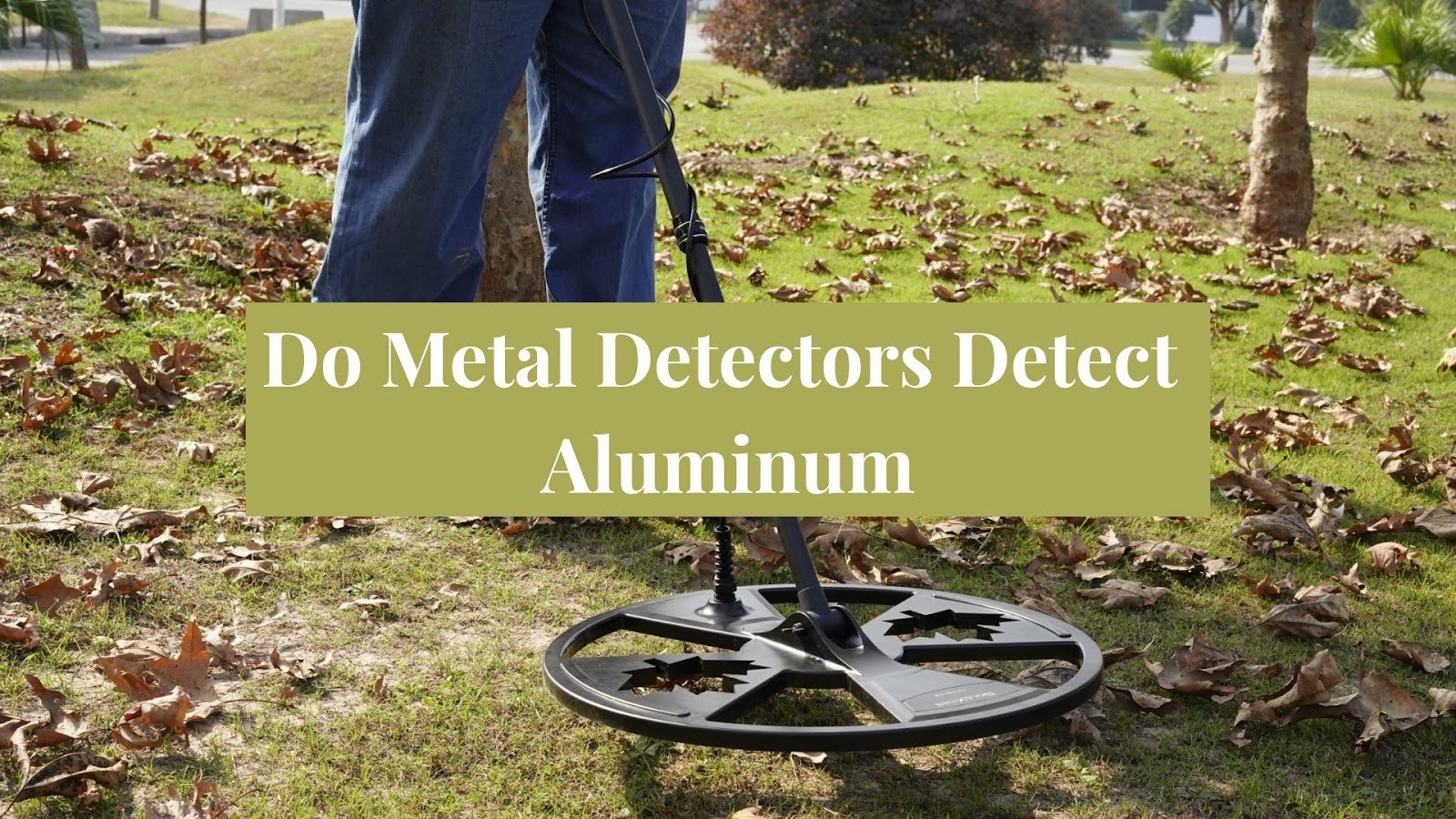
Gold, for instance, is a fantastic conductor, meaning it’s really good at creating these eddy currents. This is why gold rings are often the holy grail for metal detectorists. Silver is also pretty darn good at it. Copper, often found in old coins or wiring, is another good one. Aluminum, found in everything from pull tabs on soda cans to foil wrappers, is also detectable, though sometimes it can be a bit trickier to differentiate from other metals without a good detector.
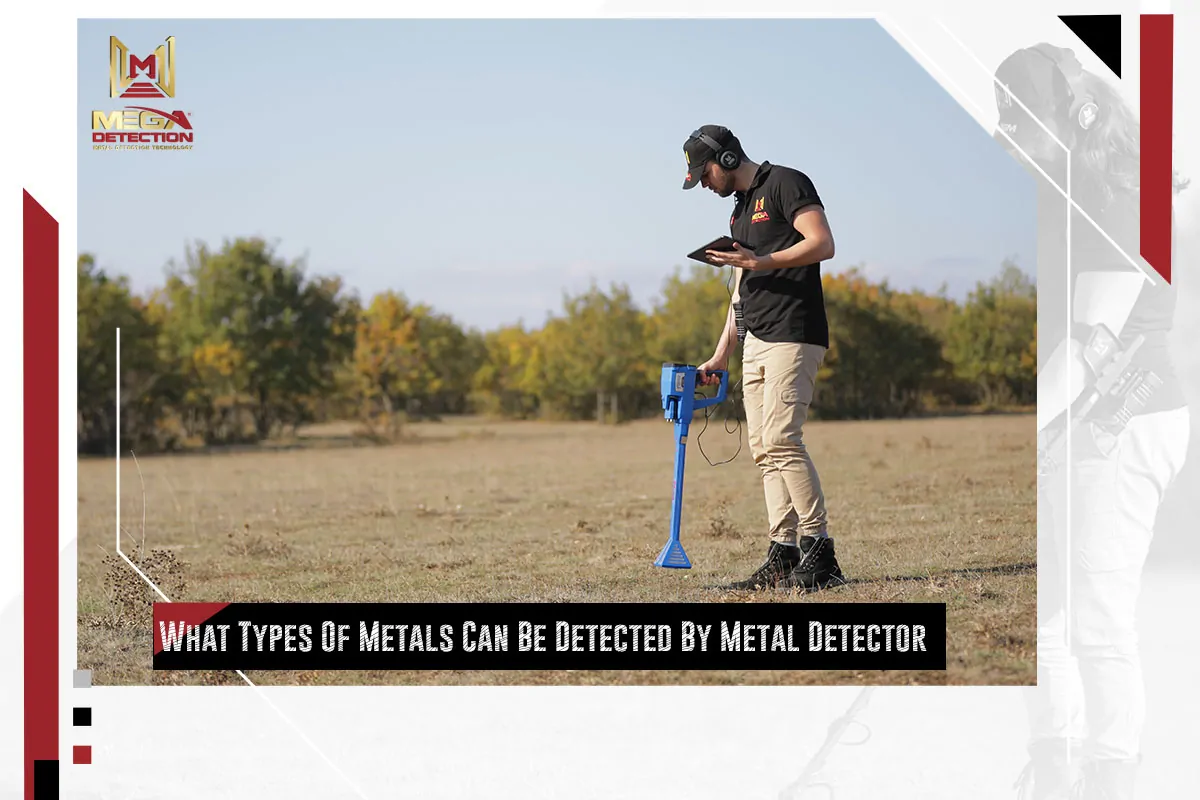
The trick with non-ferrous metals is that their conductivity and size matter a lot. A big silver coin will give a much stronger signal than a tiny gold flake. And the frequency of your metal detector also plays a role. Some frequencies are better at picking up small, conductive targets, while others excel at depth.
The "Useless Ones": Metals That Just Don't Care
And then, there are the metals that, for all intents and purposes, are invisible to your average metal detector. These are metals that are either very weakly magnetic or not conductive enough to create a significant eddy current. Think of things like stainless steel (some types, anyway – it’s a bit of a mixed bag!), lead, and zinc. While they are metals, they don't play nicely with the electromagnetic dance.
Lead, for example, is often found in old fishing weights or sinkers. It’s heavy, it’s metallic, but it’s not very responsive. You might get a faint whiff of a signal, but it’s usually not enough to get excited about. Stainless steel is another common culprit. While some stainless steels are slightly magnetic, most are designed to be corrosion-resistant and don't interact much with standard detectors. So, that stainless steel buckle on your belt? Probably safe from the beeping menace.

The "Surprise!" Metals: What Else Might You Find?
But here’s the really fun part: metal detectors don’t just find pure metals. They detect things that contain metal. So, that old coin isn't just silver or copper; it's a coin. That rusty nail is part of a lost fence post or a forgotten piece of furniture. This opens up a whole world of possibilities. You could find:
- Old coins: The classic! From pennies to ancient doubloons (okay, maybe not doubloons unless you're really lucky).
- Jewelry: Rings, bracelets, necklaces, earrings – the sparkly stuff!
- Military relics: Buttons, bullets, buckles, bits of equipment. A fascinating glimpse into history.
- Personal effects: Keys, belt buckles, pocket knives, even old coins that were once in someone's pocket.
- Junk: Let's be honest, you'll find a lot of junk. Pull tabs, bottle caps, foil wrappers, old nails. It’s all part of the game. Embrace the junk! It’s how you learn to appreciate the good finds.
Some modern detectors are also getting really good at target identification, which means they don't just tell you "metal!" but give you a hint about what kind of metal it might be. This is often displayed as a numerical value or a segment on a screen. It’s like the detector is saying, "Hmm, I think that’s a coin… or maybe a bottle cap. Let me check my notes."
So, the next time you see someone out in a park, waving a metal detector around like a divining rod for buried treasure, remember the invisible electromagnetic ballet they’re orchestrating. They’re not just randomly beeping; they’re engaged in a sophisticated conversation with the metals hidden beneath our feet. And who knows? Maybe they’ll unearth the lost treasure of Captain Crankybeard, or at least find a really cool antique button. Happy hunting!