
What Oil To Use On Damascus Steel

So, you’ve got yourself a gorgeous piece of Damascus steel. Maybe it’s a knife that gleams with those mesmerizing wavy patterns, or perhaps a decorative sword that looks like it belongs in a museum. Whatever it is, you’re probably wondering, "What's the secret sauce to keeping this beauty looking its absolute best?" Well, my friend, that secret sauce comes in the form of... oil!
Now, before you go raiding your kitchen pantry for that bottle of olive oil you’ve been meaning to use up (please, for the love of all that is pointy and patterned, don’t do that!), let’s chat about the right kind of oil for your precious Damascus. Think of it like choosing the perfect moisturizer for your skin – you wouldn't slather on sunscreen before bed, right? Same principle applies here. We want to protect, preserve, and make that steel sing.
First things first, why does Damascus steel even need oil? You might be thinking, "Isn't steel, like, tough? Can't it handle a little exposure?" And yes, it is tough, but even the toughest of heroes need a little TLC. Damascus steel, with its intricate patterns, is essentially made by folding and forge-welding different types of steel together. This creates those beautiful wavy lines, but it also means there are more surfaces and potential spots for, gasp, rust to set in.
Rust. The arch-nemesis of all things metallic and beautiful. It’s like that one uninvited guest who shows up to every party and just… sits there, ruining the vibe. Oil acts as a protective barrier, a knight in shining armor if you will, shielding your Damascus from moisture and oxygen – the twin villains responsible for that dreaded reddish-brown scourge.
Okay, deep breaths. We’re not talking about nuclear-level threats here. Just a little bit of common sense and the right product will keep your Damascus steel looking like a million bucks. So, what are the right products? Let’s dive in!
The Heavy Hitters: Dedicated Knife and Tool Oils
When it comes to serious protection, you can't go wrong with specialized knife and tool oils. These bad boys are formulated specifically for metal protection, and they’re usually pretty affordable. Think of them as the high-performance sports cars of the oil world – built for the job and ready to go!
One of the most popular and widely recommended is 100% Pure Mineral Oil. You might recognize this from its other common use: as a food-safe lubricant for cutting boards and other kitchen gadgets. And guess what? That food-safe quality makes it a fantastic choice for knives, especially if you're using your Damascus blade for anything food-related. It's non-toxic, odorless, and won't go rancid. Win-win-win!
Another excellent option is Ballistol. Oh, Ballistol, you magnificent creature! This stuff is like the Swiss Army knife of oils. Not only does it protect your metal from rust and corrosion, but it also lubricates, cleans, and even has some mild disinfectant properties. It’s biodegradable and safe for use on leather and wood too. So, if your Damascus has a nice wooden handle, Ballistol can look after that too. It’s got a bit of a… unique scent, some people describe it as licorice-like. Think of it as its signature fragrance. Don't worry, it dissipates pretty quickly.
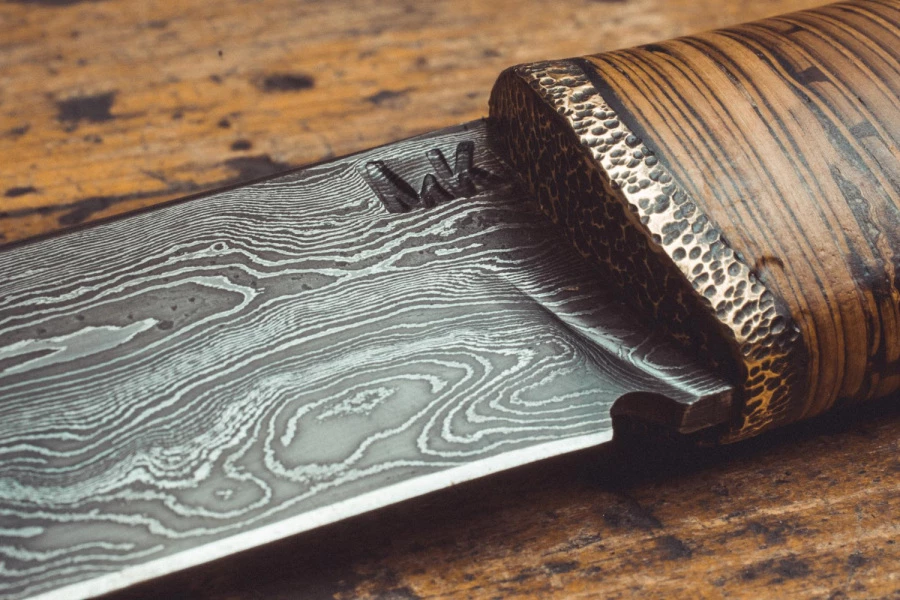
Then there are various specialty gun oils. Now, I know what you're thinking: "But I don't own a gun!" That's okay! The oils used in gun maintenance are designed to be highly protective and long-lasting, which makes them perfect for high-carbon steels like many Damascus blades. Brands like CLP (Cleaner, Lubricant, Protectant) or specific gun oils are excellent choices. They’re designed to handle extreme conditions, so they'll absolutely handle your average day-to-day exposure.
When using these dedicated oils, a little goes a long way. You don’t need to drench your blade. Just a thin, even coat is all it takes. Think of it as giving your Damascus a gentle, protective hug. Apply it with a soft, lint-free cloth, and wipe away any excess. You want a nice sheen, not a greasy mess.
What About Those Fancy Boutique Oils?
You might stumble across some really high-end, artisanal oils marketed specifically for high-carbon steel or Damascus. These can be lovely, often with subtle fragrances and beautiful packaging. While they can certainly do the job, don't feel pressured to spend a fortune. The simpler, more readily available options are usually just as effective. It's like choosing between a designer handbag and a perfectly functional, stylish one from a department store. Both get the job done, but one comes with a significantly higher price tag.
The key thing to remember with any of these dedicated oils is that they are formulated with the properties of steel in mind. They are designed to create a lasting barrier and won't break down or attract unwanted contaminants easily.
The "Never Ever" List: Oils to Absolutely Avoid
Now, let's talk about the absolute no-gos. These are the oils that will do more harm than good, turning your beautiful Damascus into a sad, neglected piece of metal. We're talking about the culinary culprits and the sticky situations.
First up: Vegetable Oils and Cooking Oils (olive oil, canola oil, sunflower oil, etc.). I know, I know, it’s tempting. They’re in your kitchen, they’re readily available. But here’s the deal: these oils can and will go rancid. Rancid oil attracts dirt and grime, and it can actually become acidic, which is the exact opposite of what you want for your steel. Imagine your beautiful knife smelling like old french fries. Not ideal, right?

Next on the naughty list: WD-40. Ah, WD-40. The ubiquitous can of "fixes everything." While it’s great for loosening stuck bolts or silencing squeaky hinges, it’s not ideal for long-term metal protection on something like a Damascus knife. It's more of a solvent and a water displacer, and its protective qualities are temporary. It can also leave a residue that attracts dust and gunk. So, save the WD-40 for your bicycle chain, not your prized blade.
Also, steer clear of any oils with strong fragrances or added dyes. These can sometimes react with the steel or leave unwanted residues. We’re aiming for pure, unadulterated protection, not a perfume experiment.
Think of it this way: you wouldn’t use dish soap to wash your hair, right? Different products for different jobs. The same applies to oiling your Damascus steel. Stick to the professionals for this particular task.
How to Apply Oil Like a Pro (Even If You're a Beginner!)
Alright, so you’ve got your trusty bottle of mineral oil or Ballistol. Now what? It’s super simple, I promise. You'll be an oiling virtuoso in no time!
Step 1: Cleanliness is Key!
Before you even think about applying oil, make sure your Damascus steel is clean. Wipe off any dust, fingerprints, or other gunk with a soft, dry cloth. If it’s really grimy, you can use a tiny bit of mild soap and water, but make sure to dry it thoroughly afterwards. Moisture is the enemy, remember?
Step 2: The Application Ritual
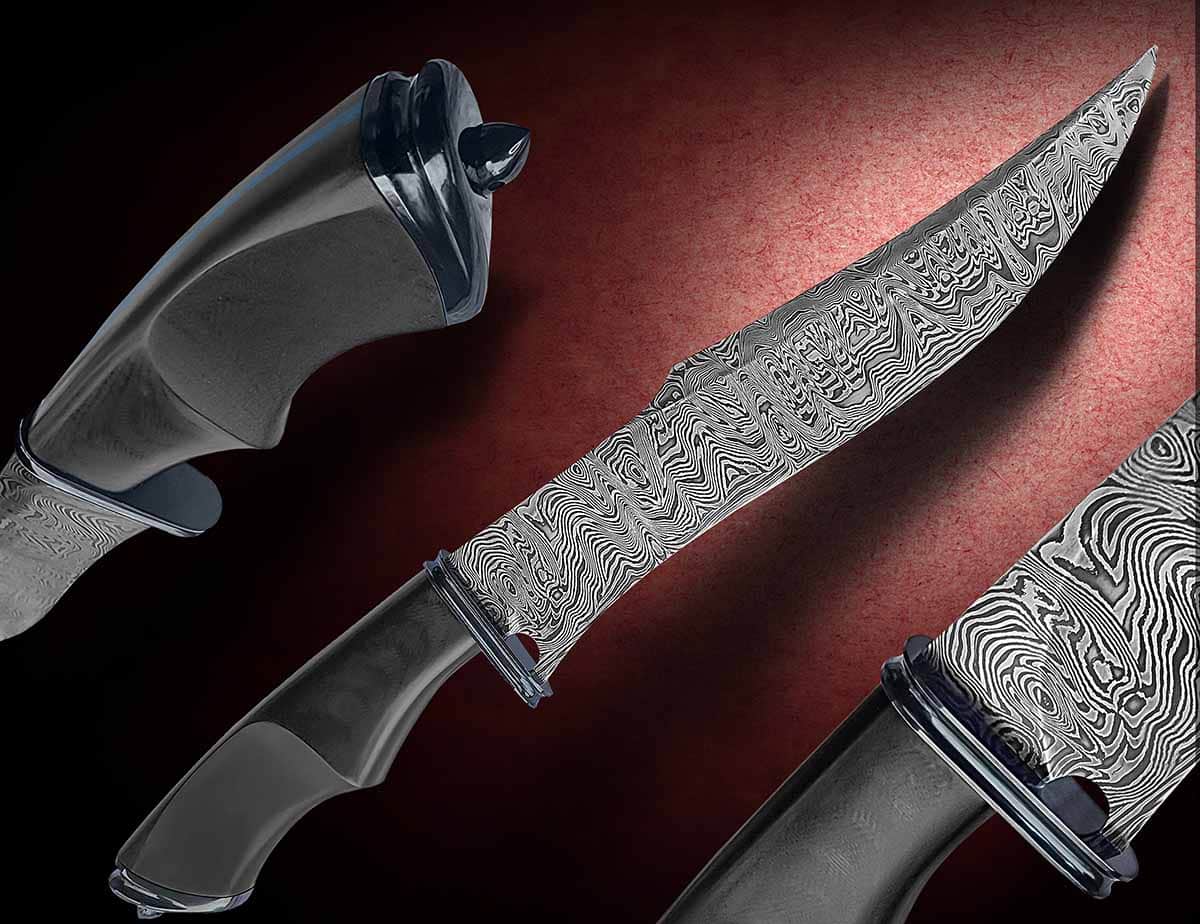
Grab a clean, lint-free cloth. A microfiber cloth is perfect for this. Dip a corner of the cloth into your chosen oil. You don't need to soak the cloth – just get a little bit of oil onto it.
Step 3: Glide and Shine
Gently wipe the oil onto the surface of your Damascus steel. Cover the entire blade, moving from the spine towards the edge, and then down the tang if it’s exposed. Pay attention to those beautiful patterns; the oil will make them pop even more! Think of it as giving your steel a comforting massage.
Step 4: The Buff and Polish
Take a clean, dry part of your cloth (or a second dry cloth) and gently buff away any excess oil. You want a thin, even sheen. The steel should look protected, not slick and oily.

Step 5: Repeat (But Not Too Often!)
How often should you do this? Well, it depends on your environment and how often you use your Damascus piece. If you live in a humid climate or use your knife frequently, you might want to oil it every couple of weeks. If it's more of a display piece in a dry environment, once a month or even less might be sufficient. The key is to check it periodically. If it looks dull or you see any signs of dryness, it's time for another oiling session. It's like checking in on an old friend – just a quick hello to make sure they're doing well.
A Note on Patinas and Etching
Some Damascus steel enthusiasts enjoy developing a patina on their blades. A patina is a subtle discoloration that can occur over time from exposure to certain elements. It can add character and even provide a slight bit of extra protection. If you're into developing a patina, the oiling process is still important, but you might find that certain oils interact differently with the steel and affect the patina's development.
For those who have had their Damascus steel etched (meaning the patterns have been chemically darkened to make them stand out), oiling is even more crucial. The etching process can sometimes make the steel slightly more susceptible to corrosion, so that protective oil barrier is your best friend here. It's like adding a sealant to protect that beautiful paint job on your car.
The Joy of a Well-Maintained Damascus
Looking after your Damascus steel isn't a chore; it's an act of appreciation. It’s a way of saying, "I value this beautiful craftsmanship, and I want it to last." When you run your fingers over the smooth, oiled surface, feeling the intricate patterns come alive, there's a real sense of satisfaction. It’s like tending to a garden; you nurture it, and it rewards you with beauty.
So go forth, my fellow Damascus admirer! Arm yourself with the right knowledge and the right oil. Protect your steel, celebrate its artistry, and let those beautiful patterns continue to capture your gaze. May your Damascus always gleam, and may your days be filled with the quiet satisfaction of owning something truly special, well-loved, and beautifully preserved. Happy oiling!