
What Size Bicycle Tire Tube Do I Need
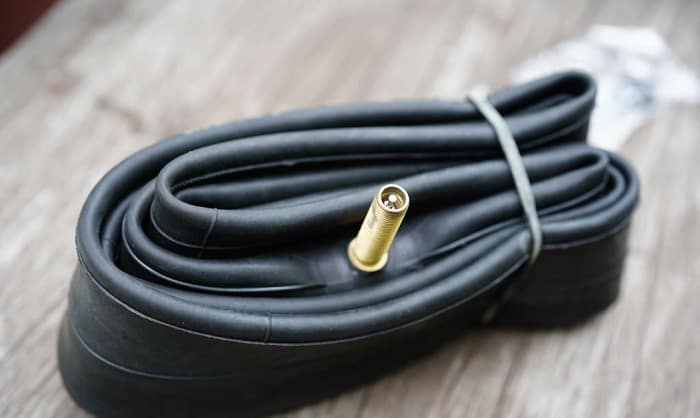
Ah, the humble bicycle tire tube. It’s the unsung hero, the silent workhorse, the inflatable guardian of our rolling adventures. Without it, our trusty steeds would be sad, deflated puddles of rubber and metal, dreams of open roads turning into a rather embarrassing ground scrape. But when the inevitable hiss of a flat occurs, a tiny, slightly panic-inducing question pops into our minds: "What size tube do I even need?!"
It can feel like a cryptic puzzle at first, a secret code whispered by the tire gods themselves. You stare at your flat tire, then at the rows and rows of tubes in the bike shop, each with numbers and letters that seem to mock your lack of specialized knowledge. But fear not, fellow cyclists! This little journey into tube-sizing is less about complex engineering and more about a delightful treasure hunt, a quest for the perfect, air-holding companion for your wheel.
Think of it this way: your tire is like a comfy mattress, and the tube is the perfectly fitted fitted sheet. You wouldn't try to cram a king-size sheet onto a twin mattress, would you? The same principle applies here, though thankfully, with slightly less chance of waking up tangled and frustrated. The goal is snugness, a gentle embrace that keeps the air just right.
The Numbers Game: Decoding the Sidewall Secret
Your tire’s sidewall is like its ID card, displaying all the important information about its lineage and its preferred lifestyle. This is where the magic, or rather, the numbers, begin. Look closely, and you'll find a series of digits. These are your clues, your breadcrumbs leading you to the correct tube.
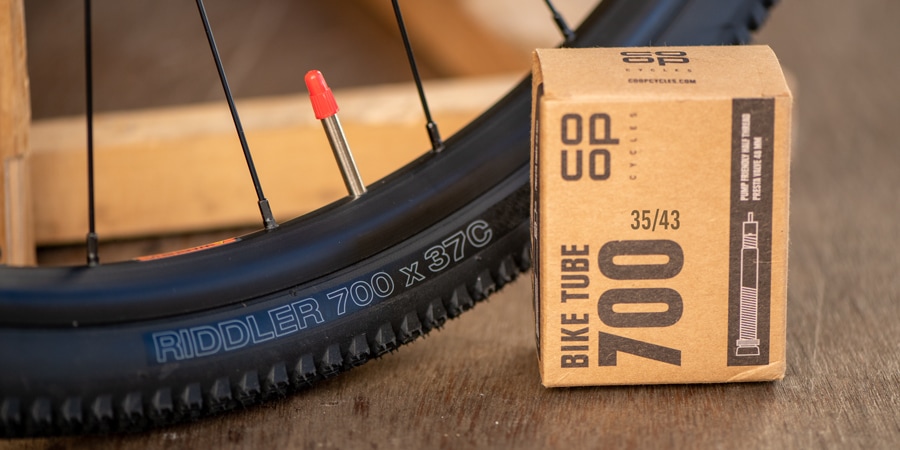
The most crucial numbers usually involve the diameter and the width of your tire. For example, you might see something like “700 x 28c”. The “700” here refers to the approximate diameter of the wheel in millimeters, a standard for many road and hybrid bikes. The “28c” tells you the approximate width of the tire, also in millimeters.
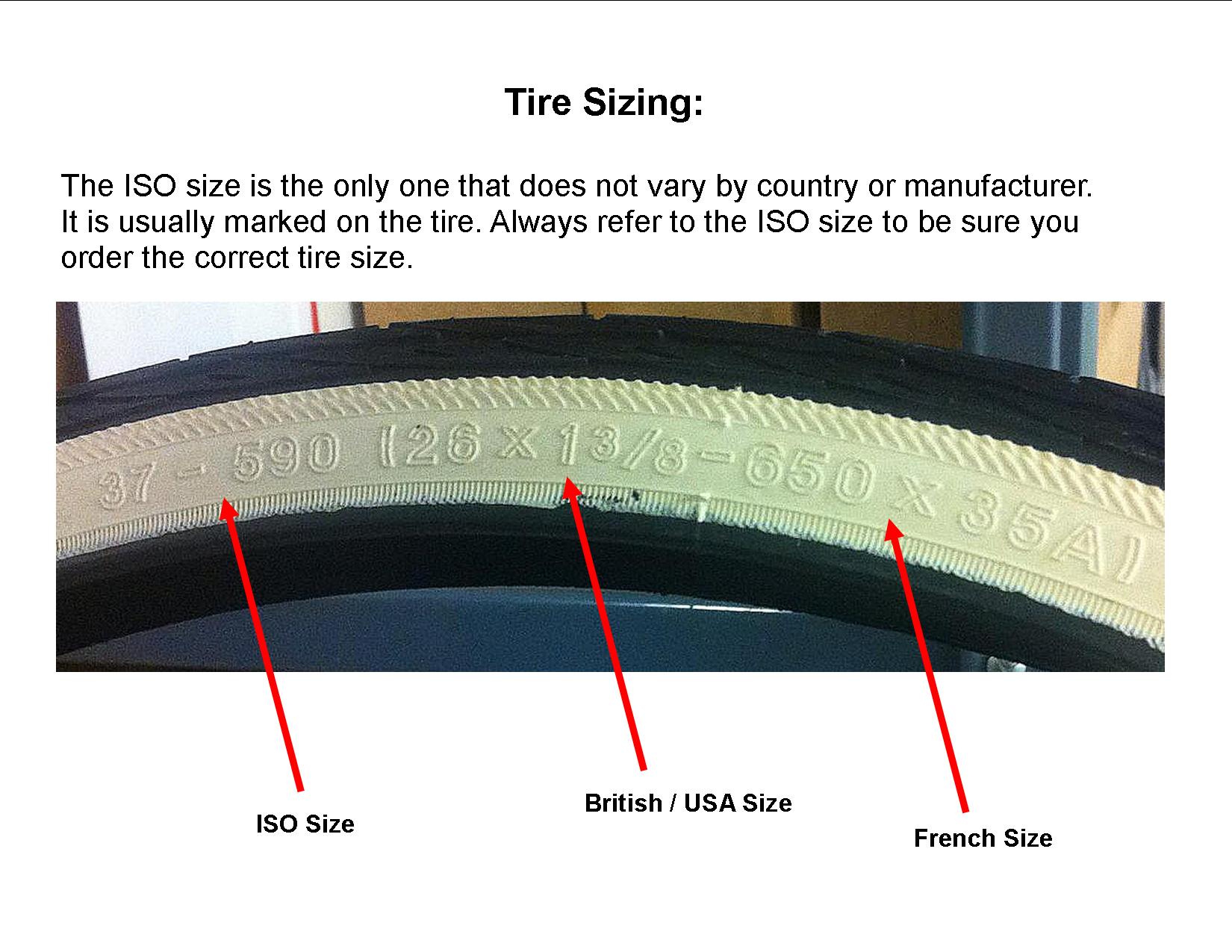
Now, here’s where it gets a little fun. Those numbers on the tire are not exact blueprints for the tube. They are more like general suggestions, a friendly nod towards what size tube will likely be a good fit. The tube, bless its stretchy heart, is designed to be a bit flexible. It’s a chameleon, adapting to the subtle variations in tire pressure and manufacturing.
The "A Little Bit of Everything" Rule
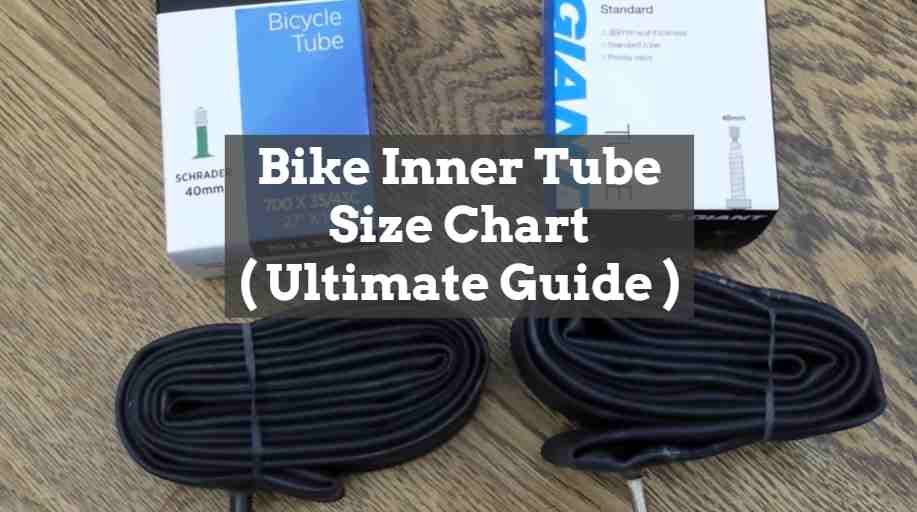
Most common tubes are designed to accommodate a range of widths for a given diameter. So, if your tire says “700 x 28c”, you’ll likely be looking for a tube labeled something like “700 x 25-32c”. See? That little hyphenated range is your best friend. It means this tube is happy to hug tires that are a bit slimmer or a bit wider within that sweet spot.
This flexibility is a testament to the ingenious design of these rubber marvels. They aren't rigid little prisoners; they are adaptable, willing to stretch and mold themselves to provide that perfect, plump cushion for your ride. It’s a heartwarming thought, isn’t it? A tiny object, striving to do its best for your cycling joy.
Beyond the Common: When Things Get Quirky
Of course, the world of cycling isn't always neatly packaged. Some bikes, especially older ones or those built for specific purposes, might have tires with less common sizing. Think of those chunky mountain bike tires, or the narrow, high-pressure tires on a vintage road racer. These can sometimes throw a curveball into the sizing equation.
For instance, some mountain bike tires might be labeled with inch measurements, like “26 x 2.1”. In this case, the “26” is the diameter in inches, and “2.1” is the width in inches. You'd then be looking for a tube that matches that diameter, often with a width range that includes 2.1 inches.
And then there are the little wheels! Kids’ bikes, for example, have their own charmingly varied sizing conventions. You might see labels like “16 x 1.75” or “20 x 1.5”. The principle remains the same: find the diameter that matches your wheel, and then look for a tube that covers the width. Don't be surprised if you find yourself holding a tube that looks comically small compared to your tire – it’s supposed to stretch!
Sometimes, the most important thing is to simply bring your old, flat tube with you to the shop. It's like a little security blanket, a tangible reminder of what you’re looking for. The friendly bike mechanic, a true wizard of all things wheeled, can often spot the size and type of tube you need just by a glance. They’ve seen it all, from the most common to the wonderfully peculiar.
The Valve Question: A Little Extra Detail
While we’re on the topic of tubes, it’s worth a brief mention of the valve. You know, that little metal or rubber protrusion that you use to pump air into your tire? These come in two main flavors: Schrader (the fatter, car-tire-like valve) and Presta (the skinnier one with a little nut on top).
Most modern road and hybrid bikes use Presta valves, while many mountain bikes and kids' bikes use Schrader. The good news is that most general-purpose tubes come with either a Schrader or a Presta valve. You just need to make sure the valve type on your new tube matches the valve hole in your rim. It’s a small detail, but a crucial one for a happy inflation experience.
If you’re unsure, just take a peek at your current valve. They are quite distinct! And if, by some rare chance, you have a rim that can accommodate both, you might even find tubes with "dual valves." These are the ultimate peacemakers of the valve world, ready to connect with whatever your rim prefers.

The Joy of a Perfectly Fitted Tube
The satisfaction of finding the right tube and inflating your tire until it's perfectly plump is surprisingly immense. It’s a small victory, a personal triumph that leads directly to the wind in your hair and the rhythm of the pedals. That perfectly fitted tube is working tirelessly, silently, to keep your journey smooth and enjoyable.
So, the next time you face the dreaded flat, don’t let the numbers on the sidewall intimidate you. Think of it as a fun detective mission, a chance to connect with your bike on a deeper, more intimately sized level. And remember, a well-chosen tube is more than just a piece of rubber; it's a promise of miles to come, adventures waiting to unfold, and the enduring joy of two-wheeled freedom.
It’s a simple thing, this tube. But in its simplicity lies a quiet heroism. It’s the unsung hero that gets you back on the road, ready to chase sunsets or simply conquer that pesky hill. So go forth, brave cyclist, and embrace the delightful challenge of finding your perfect tube. Your wheels will thank you with every glorious revolution.