
What Size Furring Strips For Metal Roof

So, you're eyeing up a shiny new metal roof. Awesome choice! They look slick, they last forever, and let's be honest, they make a pretty cool thwack-thwack-thwack sound when it rains. But hold up, before you go all DIY superhero, there’s a little secret weapon you need to know about. It’s not the metal itself, or the fancy fasteners. It’s something much more… stripy. We’re talking about furring strips, my friend!
Now, I know what you’re thinking. "Furring strips? Sounds like something you'd use to fluff up a cat." And while that image is pretty amusing, nope! These are the unsung heroes of your metal roof installation. They’re the little guys that make the big roof happen. And the size of these strips? Well, that's where the fun really begins.
Why Bother With These Tiny Wooden Warriors?
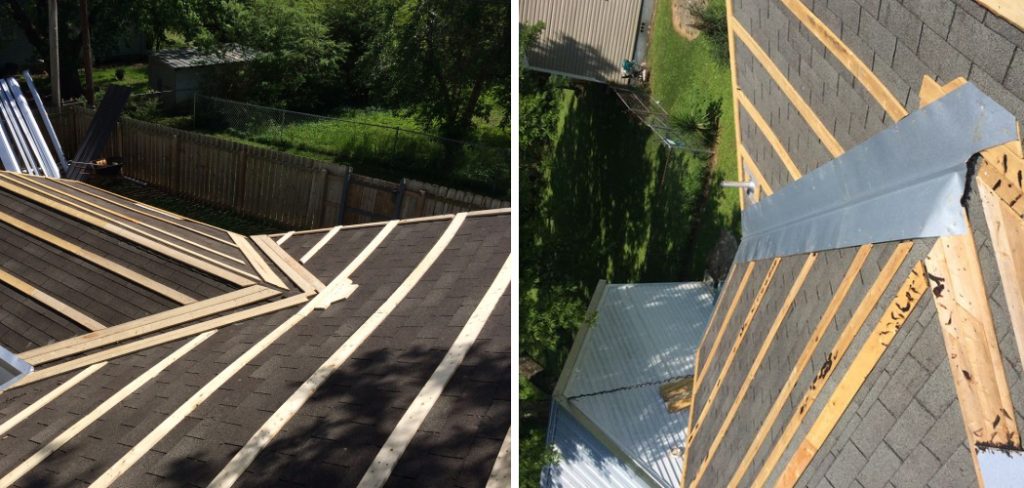
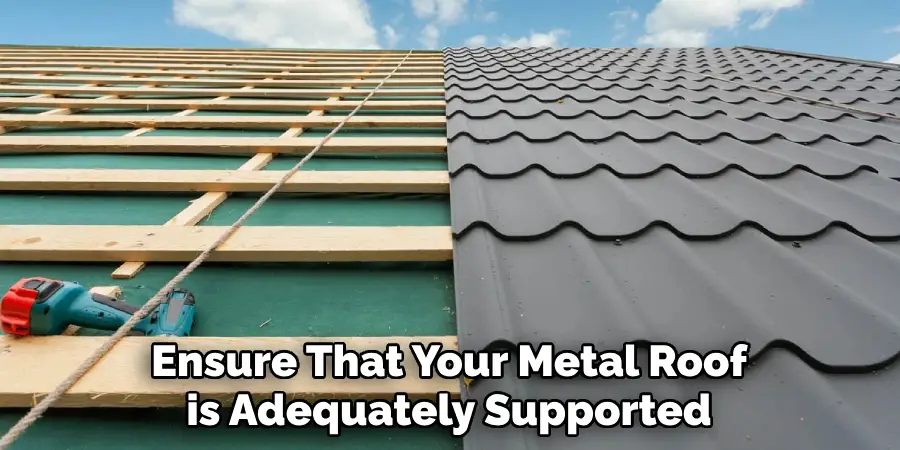
Think of your metal roof panels like a sleek, shiny surfboard. You don't just slap it onto the ocean, right? You need a… uh… something to keep it floating and stable. Furring strips are kinda like that. They create a little air gap between your roof deck (the solid stuff underneath) and the metal panels themselves.
This air gap is pure magic. It’s like a tiny ventilation system for your roof. It lets air flow. This keeps things from getting too hot in the summer, which is good for your wallet (less AC needed!) and good for the roof itself. It also helps a little with condensation in the winter. Basically, these little strips are keeping your roof cool, calm, and collected. How neat is that?
Plus, they give your screws something solid to bite into. Metal panels alone on a bare deck? Not ideal for long-term stability. The furring strips provide a reliable anchor point. It’s like giving your screws a nice, sturdy handshake.
The Big Question: What Size Furring Strips?
Alright, drumroll please… the answer is… it depends!
Shocking, I know. You probably wanted a single, magical number. But building is a bit like baking. You can’t always use the same size baking sheet for cookies and a cake, right?
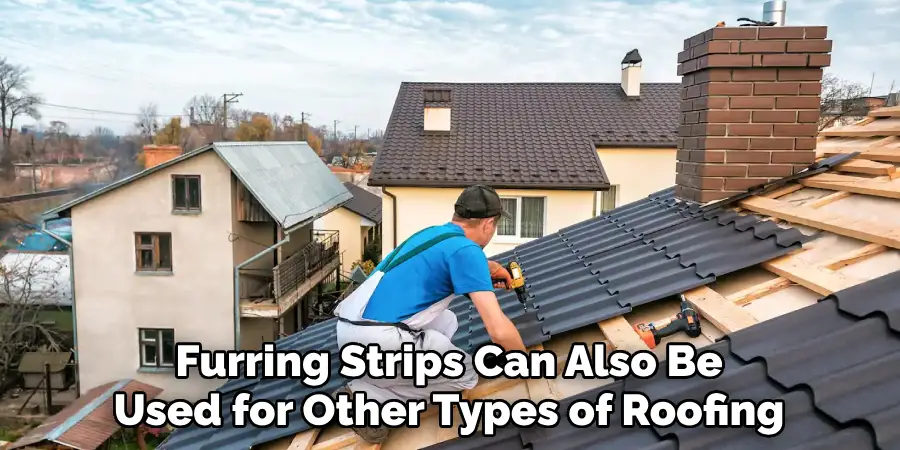
The most common players in the furring strip size game are usually:
The Mighty 1x4
This is your go-to, your reliable workhorse. A 1x4 is actually about 3/4 inch thick and 3.5 inches wide. Why is this a crowd-pleaser? It offers a good balance. Enough thickness for adequate air flow and secure fastening. Not too bulky that it’s overkill.
Think of the 1x4 as the "just right" size. It’s like Goldilocks’s favorite furring strip. It’s popular because it usually does the trick for most standard metal roofing jobs. Easy to find, easy to work with.
The Beefy 1x6
Now, if you need a bit more oomph, or if your roofing project has some specific needs, you might step up to a 1x6. This guy is about 3/4 inch thick and 5.5 inches wide. So, it’s a little wider than the 1x4.
Why would you go for the 1x6? Sometimes, it's about the type of metal panels you're using. Thicker or heavier panels might benefit from the extra width of a 1x6 for better support and screw engagement. Also, if you're aiming for a super-duper ventilated roof, the wider strip can contribute to a larger air gap, especially if installed in a specific way.
The Quirky Oddballs
Sometimes, you’ll see other sizes. Maybe a 1x3, or even a 2x4 (though that’s getting pretty chunky for just furring). These are less common for standard metal roofing furring, but they pop up in special situations. Like if you’re building a custom shed, a fancy chicken coop with a metal roof, or if your architect has a very particular vision. Always follow the plan!
What Dictates the Size Choice? The Fun Details!
So, what makes someone say, "Yep, 1x4 it is!" or "Let's grab some 1x6s!"? It's a few cool factors:
1. The Roof Itself (Duh!)
The type and weight of your metal roofing panels are a biggie. Lighter gauge panels might be fine with a 1x4. Heavier gauge? They might prefer the extra hug of a 1x6.
2. The Climate You Live In (The Weather Nerd in You Rejoices!)
Are you in a place that gets scorching hot summers? That air gap is your best friend. You might lean towards a slightly larger gap (which a wider furring strip can help achieve) for maximum cooling. Think of it as giving your roof a personal breeze.
What about super windy areas? Sometimes, the specific spacing and thickness of the furring strips are designed to handle wind uplift. It’s like building a little wooden skeleton to hold that metal skin tight.
3. Building Codes and Manufacturer Instructions (The Grown-Up Stuff)
This is where the serious fun (or not-so-fun, depending on your mood) comes in. Your local building codes are there for a reason. They want to make sure your roof doesn’t fly off in a hurricane. Always, always check your local building codes!
And guess what? The company that makes your shiny metal roof panels usually has its own set of instructions. They’ve done the science! They know what works best for their product. Following their guidelines is super important for warranty reasons and, you know, safety. It’s like reading the instructions for that IKEA furniture – essential!
4. The Slope of Your Roof (It's Not Always Flat!)
If you have a steeper roof slope, sometimes this can influence how the furring strips are installed and, in turn, their size or spacing. It’s all about ensuring everything sits perfectly and water runs off like it’s supposed to. No puddles on your fancy metal roof, please!
Why This Topic is Secretly Awesome
Look, I get it. "Furring strip size" doesn't exactly scream "thrilling conversation starter at parties." But think about it!
It’s about understanding how things are built. It's about the hidden details that make everyday things work. It's the unsung hero of your home's protection. It's the tiny cog in the giant machine of a sturdy roof.

Plus, imagining a tiny wooden strip valiantly holding up a giant metal roof? It's a little bit adorable, right? It’s like a tiny knight in wooden armor protecting your castle.
And when you're chatting with your roofer, and they casually mention "we're using 1x4s on this one," you can nod knowingly. You’re in the know! You’re part of the secret society of roof builders. Ooooh.
The Takeaway: Don't Guess, Ask!
So, what size furring strips for your metal roof? The most common are 1x4 and 1x6. But the real answer is to always consult the specifications from your metal roofing manufacturer and your local building codes.
If you're doing it yourself, do your homework! If you're hiring a pro, ask them! They’ll tell you, and you’ll learn something new. It's a win-win.
Now go forth, armed with your newfound knowledge of furring strip sizes, and marvel at the engineering of your awesome metal roof. It’s more than just metal; it’s a system. And those little wooden strips? They're pretty darn important.