
What Takes Rust Off Metal

I remember this one time, ages ago, I was helping my grandpa clear out his shed. He had this old, beautiful cast iron skillet, the kind that’s practically a family heirloom. Problem was, it looked like it had been through a zombie apocalypse and then some. It was covered in this thick, flaky, orangey-brown stuff. Rust. My grandpa, bless his practical heart, just shrugged and said, "Ah, that old thing. Needs a good scrub." A good scrub, my foot! It looked like it had been left out in the rain for a decade.
Naturally, my teenage self, armed with more enthusiasm than actual knowledge, decided this was my mission. I spent an embarrassing amount of time with a steel wool pad, convinced that sheer brute force and a bit of elbow grease were the answer. Spoiler alert: they were not. I managed to make a dent, sure, but the rust just seemed to mock me, clinging on for dear life. It was like trying to argue with a toddler who’s decided they really want to eat dirt. Utterly futile.
This whole ordeal got me thinking, though. What actually takes rust off metal? Is it magic? Tiny metal-eating gremlins? Or is there some sort of science behind it? Because, let’s be honest, staring at that rusty skillet, I felt a bit defeated. But the curiosity, that little itch in my brain, was already starting. And that, my friends, is how we stumble into the fascinating world of rust removal.
The Nitty-Gritty: What Is Rust, Anyway?
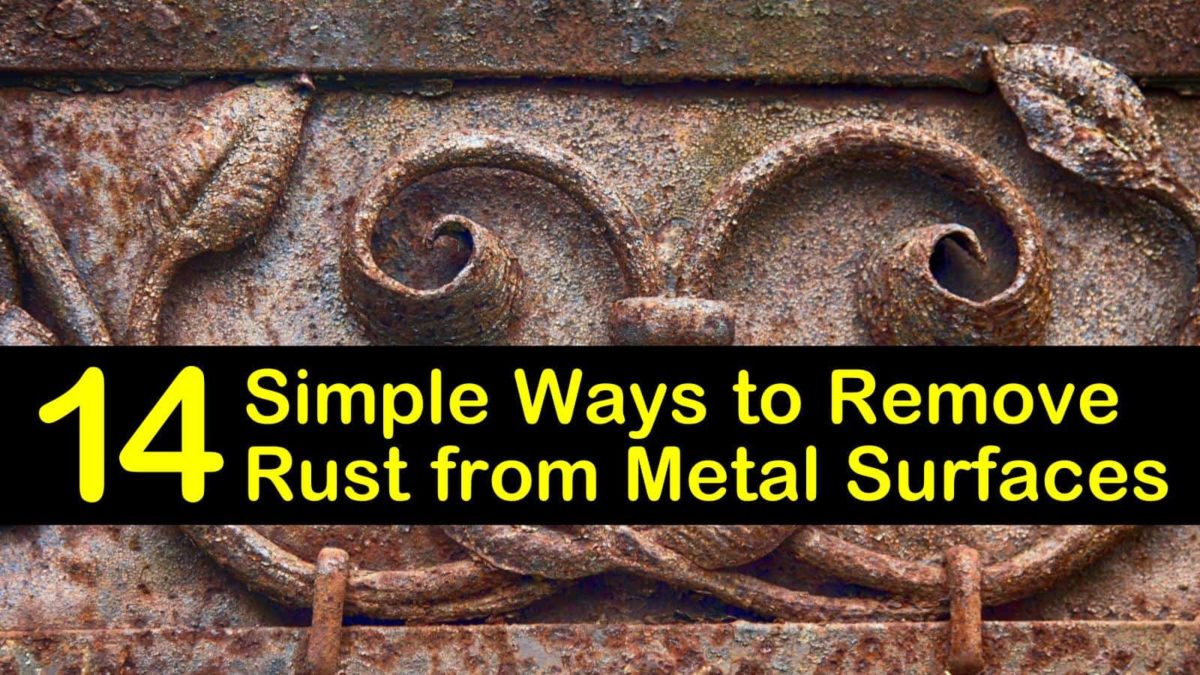
Before we can banish the orange menace, we need to understand our enemy. Rust, that unsightly affliction, is essentially iron oxide. It forms when iron (or alloys containing iron, like steel) comes into contact with oxygen and moisture. It’s a chemical reaction, plain and simple. Think of it as the metal oxidizing, like how an apple turns brown when you leave it out. Except, you know, more corrosive and way less tasty.
This process, also known as corrosion, weakens the metal. It’s not just an aesthetic issue; it can compromise the structural integrity of anything made of iron or steel. So, while that rusty garden gnome might be charming in a shabby-chic way, a rusty bridge? Not so much. Definitely not so much.
The rate at which rust forms depends on a bunch of factors. Things like humidity, exposure to salt (hello, coastal dwellers and winter road salt victims!), and even the presence of certain pollutants in the air can speed up the process. It's like a perfect storm for your metal objects. So, the next time you see a beautiful old car slowly succumbing to the rust belt, you'll know it's not just bad luck; it's a chemical battle being waged.
The Arsenal: Your Rust-Busting Toolkit
Okay, enough with the science lecture. Let’s get to the good stuff: how do we fight back? Turns out, you don't always need a hazmat suit and a team of chemists. Sometimes, the simplest things work wonders. And sometimes, you need to bring out the heavy artillery. We’re going to explore a few different approaches, from the gentle to the… well, less gentle.

The Gentle Giants: Acids and Their Cousins
When I think of rust removal, my mind immediately goes to acids. And for good reason! Acids are fantastic at dissolving rust. But before you go grabbing a bottle of hydrochloric acid from under the sink (please, for the love of all that is holy, do not do that!), let’s talk about the safer, more household-friendly options.
Vinegar: The Kitchen Hero
Ah, good old white vinegar. That stuff you use for salad dressing and making pickles? Turns out, it’s also a surprisingly effective rust remover. Why? Because vinegar contains acetic acid. This mild acid is strong enough to break down the iron oxide but generally gentle enough not to damage the underlying metal, especially for short-term applications. You just soak the rusty item in vinegar. For a few hours, or even overnight, depending on how bad the rust is. Then, you scrub it off. Easy peasy, lemon squeezy. Or, in this case, vinegar-y.
It’s not the fastest method, mind you. If you’ve got deeply ingrained rust, you might be there for a while. But for lighter rust on tools, nuts, bolts, or yes, even a moderately rusty cast iron skillet, it’s a fantastic, cheap, and readily available option. Just make sure you rinse and dry the metal thoroughly afterwards, and maybe give it a light coat of oil to prevent it from rusting again immediately. Nobody wants that.
Lemon and Lime: Nature's Zingy Solution
Similar to vinegar, the citric acid found in lemons and limes can also work its magic. You can sprinkle salt on the rusty area (salt acts as an abrasive), then squeeze lemon or lime juice over it. Let it sit for a few hours, and the acid will start to break down the rust. Then, scrub it off with a sponge or brush. This method often leaves a pleasant citrusy scent, which is a nice bonus. Who knew rust removal could smell so good? It’s a good trick for smaller items or when you don’t have vinegar on hand. Just remember to rinse and dry!
Oxalic Acid: The More Serious Player
Now, we’re stepping it up a notch. Oxalic acid is a more potent acid, often found in commercial rust removers. It's particularly good at tackling tough rust stains. You can find oxalic acid in powder form, which you then mix with water. It’s quite effective, but you need to be a bit more careful with it. Wear gloves and eye protection, and ensure good ventilation. You’ll typically apply it, let it work, and then scrub and rinse. This is where you’re getting into slightly more “serious” rust removal territory.
The Abrasive Approach: Scrubbing Your Way to Glory
Sometimes, you just need to physically remove the rust. This is where the elbow grease comes in, but with the right tools, it’s much more effective than my initial attempt with just steel wool.
Steel Wool and Brushes: The Classic Combo
This is what I tried initially, and while not a standalone solution for heavy rust, it’s often used in conjunction with chemical treatments. Different grades of steel wool exist, from fine to coarse. For rust, you’ll likely want a medium to coarse grade. Wire brushes, also made of steel, are fantastic for getting into crevices and applying more focused pressure. You often use these after an acid soak to help lift the loosened rust particles.
Remember to use these in a well-ventilated area, as you'll be kicking up rust dust. And again, wash and dry thoroughly afterward. The idea is to remove the rust, not to create a new layer of it by leaving it wet.
Sandpaper: For the Really Tough Stuff
For heavily rusted items, sandpaper can be your best friend. Start with a coarser grit (like 60 or 80) to get through the bulk of the rust, and then gradually move to finer grits (like 120, then 220) to smooth out the surface. It’s a more labor-intensive method, but it can reveal beautiful, unblemished metal underneath. Think of it as a spa treatment for your metal. A very, very rough spa treatment.
This is best for items that can be easily handled and where you want a smooth finish, like tools or decorative metal pieces. You’ll end up with a lot of dust, so wear a mask! And once you’re done, you’ll definitely want to protect that newly exposed metal.

The Modern Marvels: Electrolysis and Commercial Products
When you’re dealing with precious or deeply rusted items, or just want a more hands-off approach, there are some more advanced techniques.
Electrolysis: The Sci-Fi Solution
This sounds intimidating, and it can be, but it’s incredibly effective for removing rust without damaging the underlying metal. You create an electrochemical cell. Essentially, you need a plastic tub, water, washing soda (sodium carbonate, not baking soda), a sacrificial anode (usually a piece of scrap steel), and a power source (like a battery charger). The rusty item becomes the cathode.
When you turn it on, the electricity causes the rust to be pulled off the item and onto the anode. It's like magic, but it’s science! It’s brilliant for intricate items or things you don’t want to risk damaging with scrubbing. You can often find detailed guides online if you’re feeling adventurous. Just remember to use a dedicated charger and not just any old power supply, and always follow safety precautions. It’s not as scary as it sounds, and the results are usually spectacular.
Commercial Rust Removers: The Shortcut
There are tons of rust removers on the market, ranging from sprays to gels to dips. These often contain strong acids like phosphoric acid or oxalic acid. They are designed for convenience and can be very effective. Just be sure to read the instructions carefully and follow all safety warnings. Some are designed for specific types of metal or applications, so choose wisely.
They can be pricier than DIY methods, but if you’re in a hurry or dealing with a particularly stubborn case, they can be a lifesaver. Think of them as the pre-packaged meals of rust removal – convenient, effective, but maybe not as satisfying as cooking from scratch. (And definitely more chemical-heavy).

Aftercare: Preventing the Comeback Kid
So, you’ve valiantly battled the rust and won! Congratulations! But here’s the crucial part: you need to prevent it from returning. It's like defeating a villain in a movie – you know they'll probably be back unless you tie up all the loose ends.
Once you’ve removed the rust, make sure the metal is completely dry. Seriously, bone dry. Then, you’ll want to protect it. This usually involves applying a protective coating. For tools, a light oil like WD-40 or a specialized tool oil works well. For cast iron, re-seasoning with oil is the way to go (which brings us back to that skillet!). For decorative items, you might consider a clear sealant or even a coat of paint if appropriate.
Regular maintenance is key. If you’ve got metal items that are prone to rusting, give them a quick wipe-down with a protective oil every now and then. It’s a small effort that can save you a lot of future rust-busting headaches. Trust me on this one.
The Bottom Line: It's All About Balance
Ultimately, what takes rust off metal is a combination of chemical action and physical removal. The best method for you depends on the severity of the rust, the type of metal, and your comfort level with different techniques. Don't be afraid to experiment with the gentler, household methods first. You might be surprised at how effective they are.
And remember that old cast iron skillet? After a good soak in vinegar, some vigorous scrubbing, and a thorough re-seasoning, it’s now one of my most prized kitchen possessions. It still has character, a few battle scars, but it’s functional and beautiful. So, the next time you see a rusty relic, don’t despair. With a little knowledge and the right approach, you can bring that metal back to its former glory. Happy rust busting!