
What To Use To Clean Aluminum

Ah, aluminum. That silvery, sometimes shiny, sometimes dulled, but always dependable metal that pops up in so many corners of our lives. From the sleek lines of your favorite cookware to the sturdy frames of your patio furniture, aluminum is the quiet workhorse. But like anything that works hard, it can get a little…grubby. And when it does, the question whispers through your mind: "What in the world do I use to clean aluminum?"
Fear not, fellow domestic adventurer! Taming the aluminum beast doesn't require a hazmat suit or a degree in metallurgy. We're talking about easy-peasy, lemon-squeezy solutions that will have your aluminum gleaming like a freshly minted coin in no time. So, grab your apron, put on some chill tunes – maybe some lo-fi beats or a classic 80s synth-pop playlist – and let's dive into the wonderful world of aluminum cleaning.
The Gentle Touch: When Less is More
Before we get into the nitty-gritty, let's establish a golden rule: gentleness is key. Aluminum, especially when anodized or polished, can be scratched or discolored if you come at it with the wrong tools or harsh chemicals. Think of it like a vintage vinyl record; you wouldn't scrub that with a scouring pad, would you? Same principle applies here.
For everyday dust and light smudges, a simple swipe with a damp microfiber cloth is often all you need. This is your first line of defense, your casual "hello" to your aluminum friend. Microfiber is a superstar because it traps dirt and dust without leaving lint behind, and it’s incredibly soft, making it perfect for delicate surfaces.
If a little more oomph is needed, mix up a mild solution of warm water and a few drops of dish soap. This is the culinary equivalent of a gentle cleanse for your pans. Think of Dawn dish soap, a true icon in the cleaning world, practically a cultural touchstone in many households. Just a tiny amount is usually enough to lift away grease and grime.
Dip your microfiber cloth into this soapy bath, wring it out thoroughly so it’s just damp, not dripping, and give your aluminum a good wipe-down. Follow up with a clean, damp cloth to rinse away any soap residue, and then a dry one to buff it to a shine. Easy, right? This is your go-to for things like aluminum kitchen utensils, certain appliance exteriors, and those ever-so-slightly smudged window frames.
When Life Gives You Tarnished Aluminum, Make… Well, Clean Aluminum!
Now, let’s talk about that less-than-ideal scenario: tarnish. Aluminum can oxidize, which is just a fancy way of saying it reacts with the air and develops a dull, grayish coating. It’s not a sign of neglect, but rather a natural process. Think of it like the patina on a bronze statue – sometimes it adds character, but other times, we just want that original sparkle back.
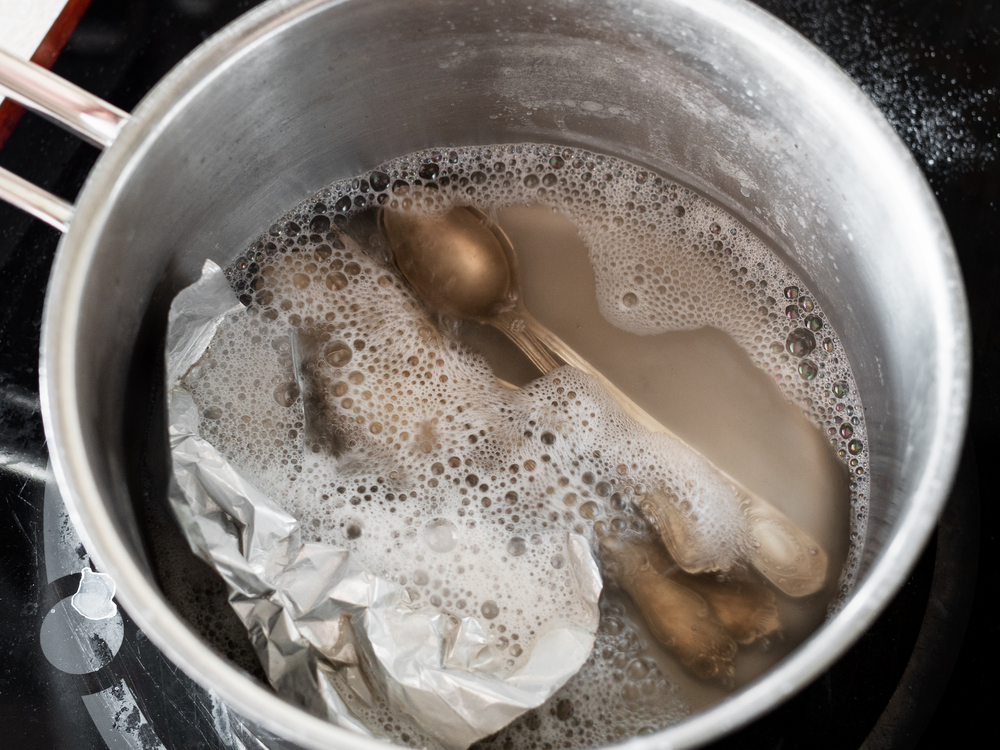
This is where a little bit of DIY magic comes into play. And no, we're not talking about complicated chemical concoctions. We're talking about pantry staples that probably already live in your kitchen!
The Cream of the Crop: Cream of Tartar and Lemon Juice
This dynamic duo is a revelation for tarnished aluminum. Cream of tartar, a byproduct of winemaking, and the humble lemon are natural mild acids that work wonders on tarnish without being too aggressive. You might recognize cream of tartar from your baking adventures – it’s the secret to fluffy meringues and stable whipped cream!
To create your cleaning paste, simply mix cream of tartar with a little lemon juice (or water, if you prefer) to form a thick paste. You want it to be spreadable but not runny. Apply this paste to the tarnished areas of your aluminum using a soft cloth or a soft-bristled brush. Let it sit for a few minutes – maybe the length of your favorite podcast episode.
Then, gently rub the paste in a circular motion. You’ll start to see the tarnish lifting away, revealing the brighter aluminum underneath. Rinse thoroughly with warm water and dry completely. This method is particularly effective for things like aluminum bakeware that might have gotten a bit dull over time.
The Zesty Solution: Vinegar and Baking Soda (Use with Caution!)
Another common household hero is vinegar, specifically white vinegar. Its acidity is a natural cleaner and degreaser. You can use a diluted vinegar solution (equal parts vinegar and water) to wipe down aluminum surfaces. Just like with the soapy water, follow up with a rinse and a good dry.
Now, let's talk about baking soda. This gentle abrasive is fantastic for scrubbing away stubborn spots. You can make a paste of baking soda and water and use it to gently scrub tarnished areas. However, a word of caution: while baking soda is a mild abrasive, if you scrub too vigorously on polished or anodized aluminum, you could cause micro-scratches. So, use a light touch here, especially on surfaces where the finish is paramount.
The reaction between vinegar and baking soda is famously fizzy and fun – a science experiment right in your kitchen sink! While the reaction itself can help loosen grime, applying the paste separately and using a gentle scrub is often more controlled for cleaning. Some people like to combine them for a paste, but be mindful of the abrasion.
The Power of the Polish: Bringing Back the Shine
Sometimes, after cleaning, your aluminum might still look a little lackluster. That’s where a dedicated polish comes in. You don't need to run out and buy a fancy, expensive aluminum polish. There are some great DIY options.
One surprisingly effective option is ketchup! Yes, you read that right. The acidity in the tomatoes and vinegar in ketchup can help restore shine to dull aluminum. Apply a thin layer of ketchup to the aluminum, let it sit for 10-15 minutes, then wipe it off with a damp cloth and polish with a dry one. It’s a bit of a quirky trick, but many swear by it for bringing back that gleam to aluminum pots and pans.

Another simple polish is to use a small amount of non-abrasive metal polish (follow the product instructions carefully) or even a dab of car wax. After cleaning and drying, apply a thin layer of car wax and buff it off with a clean, soft cloth. This will not only add shine but can also provide a protective layer against future tarnishing.
What to Avoid Like a Bad Date
Just as important as knowing what to use is knowing what not to use. These are the absolute no-nos for cleaning aluminum:
- Harsh Abrasives: Steel wool, scouring pads, abrasive cleaners (like Comet or Ajax) will scratch your aluminum and can permanently damage the finish. Think of it as a permanent bad hair day for your metal.
- Strong Acids or Alkalis: Oven cleaners, bleach, and drain cleaners are far too aggressive and can cause pitting, discoloration, and irreparable damage.
- Dishwasher Danger: While some aluminum items might be labeled "dishwasher safe," it's often best to avoid the dishwasher. The high heat, harsh detergents, and abrasive environment can dull and oxidize aluminum over time, especially anodized or polished finishes. Better safe than sorry!
- Salt Baths for Cookware: While salt is a great kitchen staple, boiling aluminum pots with salt can sometimes lead to pitting. Stick to milder cleaning methods.
Special Cases: When Things Get Tricky
What about those really stubborn, baked-on messes on aluminum bakeware? Or that weird discoloration that just won't budge? For these more challenging situations, you might need to bring out the big guns, but still with a mindful approach.
For baked-on food, you can try boiling water with a generous amount of baking soda in the pan. Let it simmer for a while, then let it cool and try to scrape away the residue with a wooden spoon or plastic scraper. Remember, no metal utensils for scraping!
If you have aluminum that has developed a rainbow-like discoloration (often from overheating), it’s usually a sign of oxidation. The cream of tartar and lemon juice method, or a dedicated aluminum cleaner, can often help, but sometimes this type of discoloration is permanent.

And for those tiny, almost invisible scratches? Sadly, there's no magic eraser for them. Prevention, through gentle cleaning and careful handling, is your best bet. Embrace the character!
A Little Fun Fact to Chew On
Did you know that aluminum was once considered a precious metal, even more valuable than gold? During the mid-19th century, it was incredibly difficult and expensive to extract. Napoleon III of France even had his guests eat off aluminum plates, while others dined on gold! Imagine the social hierarchy based on tableware!
The Takeaway: It’s All About Balance
Cleaning aluminum isn't rocket science, but it does require a little understanding and a gentle touch. It’s about choosing the right tool for the job and approaching it with a sense of calm and even a little bit of enjoyment. After all, there’s a certain satisfaction in taking something that’s lost its luster and bringing it back to its former glory.
Think about it. We spend our days navigating a world of constant demands and busy schedules. The act of cleaning, when approached with the right mindset and the right tools, can become a small moment of mindfulness. It’s a chance to slow down, focus on a tangible task, and create order and beauty in our immediate surroundings.
So, the next time you see that dull aluminum pan or that slightly smudged patio chair, don't sigh. Smile. You’ve got this. With a little bit of pantry power and a whole lot of gentle effort, you can keep your aluminum looking fantastic, just like you keep the rest of your life running smoothly. It’s a small victory, but in the grand scheme of things, those small victories are what make life so much brighter.