
What Tubes Are Used For What Blood Tests
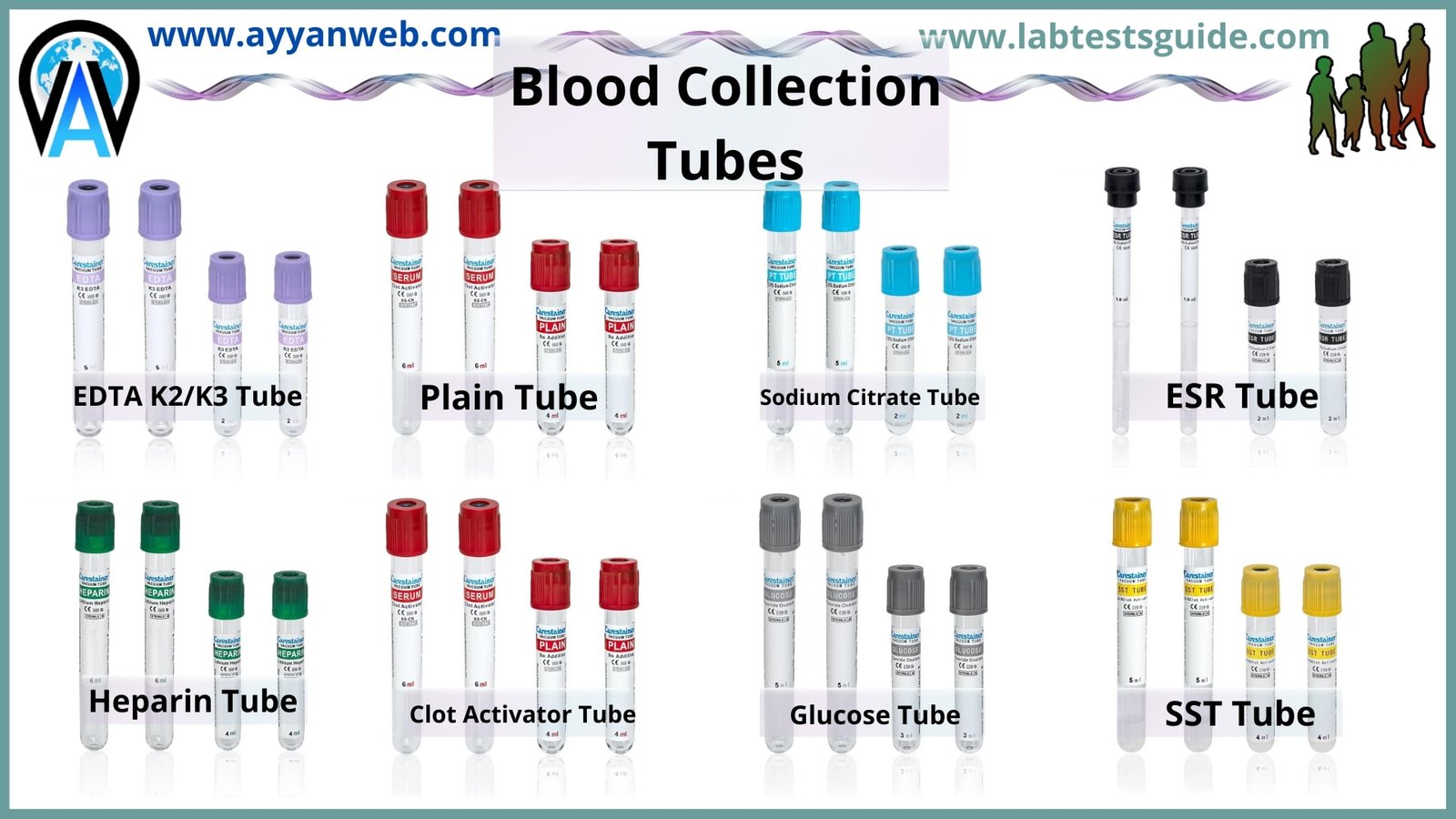
Ever find yourself at the doctor's office, staring at that dizzying array of colorful little tubes waiting to be filled with your precious blood? It’s like a tiny, scientific rainbow, right? But have you ever stopped to wonder what all those different colors mean? You're not alone! It can feel a bit like a secret handshake, knowing which tube is for which test. But fear not, curious minds! Today, we're pulling back the curtain on the fascinating world of blood collection tubes, and I promise, it's way cooler than it sounds.
Think of these tubes as tiny, specialized containers, each designed with a specific mission. They’re not just pretty to look at; they're actually crucial for getting accurate results from your blood work. Each one has a unique ingredient, a kind of secret sauce, mixed in that helps preserve your blood sample in just the right way for whatever test your doctor needs to run. It’s all about keeping things stable and ready for analysis.
So, let's dive into the vibrant world of blood tubes! It’s like a sampler pack of scientific possibilities.
The "All-Arounder" Red Top: The Classic
Let's start with the most common one you might see: the red-topped tube. This one is like the reliable workhorse of the blood collection world. You might be surprised to learn that some red-topped tubes actually contain nothing inside except a sterile environment. They're just meant to collect the blood, and then the lab will do its magic to separate the different components.
Other red-topped tubes have a clot activator. This little helper encourages your blood to clot quickly. Once it clots, the liquid part, which is called serum, can be easily separated by spinning the tube in a centrifuge. This serum is what’s used for a whole bunch of tests, like checking your electrolyte levels, kidney function, or liver enzymes. It’s pretty much the plain vanilla of blood collection – versatile and essential.
Why it's cool:
It's the OG! The red top has been around for ages, and it's still a fundamental tool for so many diagnostic tests. It’s like the trusty screwdriver in a toolbox – you always need it.
The "No-Clotting Zone" Lavender/Purple Top: For the DNA Detectives
Next up, we have the lavender or purple-topped tube. These are super important for tests that need to look at the whole blood, meaning the blood cells are still suspended in their liquid environment. How do they achieve this? These tubes contain an anticoagulant called EDTA (which stands for ethylenediaminetetraacetic acid, but don't worry about memorizing that!).

EDTA is like a tiny bodyguard for your blood cells, preventing them from clumping together or clotting. This is absolutely vital for tests like a complete blood count (CBC). A CBC is like a detailed inventory of your blood, telling your doctor about your red blood cells, white blood cells, and platelets. It can reveal signs of anemia, infection, or even leukemia.
Think of it this way: if you wanted to count every single person in a crowded room, you wouldn’t want them all to huddle together, right? You need them spread out. EDTA does the same for your blood cells, keeping them perfectly spaced for accurate counting.
Why it's cool:
This tube unlocks the secrets hidden within your blood cells! It’s essential for understanding your body’s defense system (white blood cells) and its oxygen carriers (red blood cells). Plus, it’s where they get the DNA for those paternity tests you see on TV!
The "Sweet Tooth" Gray Top: Glucose Guardian
Have you ever had a test to check your blood sugar levels? Chances are, the blood was collected in a gray-topped tube. These tubes contain a combination of an anticoagulant (to stop clotting) and a preservative called sodium fluoride. Sodium fluoride acts like a little time capsule for glucose.
Why is this so important? Well, once blood is drawn, the sugar (glucose) in it can be used up by the cells. Sodium fluoride prevents this from happening, ensuring that the glucose level measured in the lab accurately reflects the glucose level in your body at the time of the draw. This is crucial for diagnosing and managing conditions like diabetes.

It’s like putting your cookies in an airtight container. If you leave them out, they get stale and disappear. The gray top keeps the glucose "fresh" for the lab!
Why it's cool:
This tube is a superhero for detecting and monitoring diabetes. It helps doctors understand how your body is processing sugar, which is a fundamental aspect of your health.
The "Coagulation Commander" Light Blue Top: The Clotting Expert
Now, let's talk about the light blue-topped tube. This one is a specialist in blood clotting. It contains an anticoagulant called sodium citrate. Unlike the lavender tube that prevents clotting entirely, sodium citrate is specifically designed for tests that measure how well your blood clots.
These tests are vital for people taking blood-thinning medications or for diagnosing bleeding disorders. They help doctors understand the complex cascade of events that lead to a blood clot. Think of it as a finely tuned instrument that measures the speed and efficiency of your body's clotting machinery.

Imagine a construction crew. This tube helps measure how quickly and effectively they can build a wall (a blood clot) when needed. It’s all about the timing and the materials.
Why it's cool:
This tube is all about the intricate dance of blood clotting. It’s super important for managing medications that affect clotting and for diagnosing serious bleeding conditions.
The "Chemistry Champion" Green Top: For the Speedy Analysis
The green-topped tube is another versatile player, often used for various chemistry tests. These tubes contain an anticoagulant called heparin. Heparin is a fast-acting anticoagulant that allows the plasma (the liquid part of blood that still contains clotting factors) to be used for testing.
This is great for tests that need to be analyzed quickly. You’ll often see green tops used for things like checking your electrolytes (like sodium and potassium), kidney function tests (like creatinine), and liver function tests. It's a great all-rounder for a wide range of blood chemistry panels.
Think of heparin as a time-saver. It gets the job done quickly so the lab can get you your results faster, which is always a good thing, right?
Why it's cool:
This tube is like a fast track to understanding your body's chemistry. It’s used in so many common tests, making it a real workhorse in the lab.
The "Special Agent" Royal Blue Top: The Trace Element Tracker
Finally, let's touch on a less common, but very important, tube: the royal blue-topped tube. These tubes are designed for testing trace elements and heavy metals in your blood. Because they’re so sensitive, these tubes are made from materials that are free from these elements, preventing contamination.
This means they’re perfect for measuring things like iron, zinc, copper, or even checking for lead poisoning. It's like having a super-sensitive detector that can pick up even the tiniest traces of specific substances.
Why it's cool:
This tube is the detective for the really tiny stuff! It’s crucial for diagnosing deficiencies or toxicities of vital minerals and for identifying exposure to harmful metals.
So, there you have it! The next time you see those colorful tubes, you'll know they’re not just random hues. Each one is a carefully designed tool, ensuring your blood sample is perfectly preserved for the specific test your doctor needs. It's a small but mighty part of the whole healthcare process, helping us understand our bodies a little better, one tube at a time. Pretty neat, huh?