
What Type Of Light Is Least Favorable For Makeup Application

Okay, so we’ve all been there, right? Staring in the mirror, wrestling with concealer, and wondering why your perfectly blended foundation suddenly looks… off. You might blame your tools, your technique, or even that questionable life choice you made last night. But what if the real culprit is hiding in plain sight? Yup, I’m talking about light.
Seriously, light is the unsung hero (or villain!) of your makeup game. It can make your highlighter sing or make your contour look like a bruised eggplant. And today, we’re diving into the dark side. Or, well, the not-so-bright side. We’re going to uncover the type of light that’s the absolute worst for getting your face looking fabulous.
The Underdog Light
Forget those fancy ring lights and daylight bulbs for a second. We need to talk about the real underdog. The one that sneaks up on you. The one that can turn a masterpiece into a mess in milliseconds.
Drumroll please… it’s incandescent light.
Yeah, I know. Kinda anticlimactic, right? You were probably expecting something more dramatic. But trust me, this is where the magic (or mayhem) happens.
Why Incandescent is a Makeup Menace
So, what’s the deal with incandescent light? Think about those old-school bulbs. The ones that used to hang in your grandma's kitchen or glow warmly in a vintage lamp. They emit a light that's pretty heavy on the yellow and red tones.

Imagine you’re trying to pick out the perfect nude lipstick. In incandescent light, that beautiful peachy nude might suddenly look… orange. Or that cool-toned beige? It could lean towards a weird, muddy brown. It’s like a visual filter you didn’t ask for, and it’s definitely not your friend.
And it’s not just about color accuracy. Incandescent light tends to be a bit… dimmer. Less intense. This means you might be tempted to pile on the product to compensate. More foundation? More blush? More bronzer? Uh oh.
The result? Your makeup can end up looking cakey, overdone, and, let’s be honest, a little bit scary. You walk out the door feeling great, only to catch a glimpse of yourself in natural light and do a double-take. “Who is that person?” you might wonder. It’s you, but lit in a way that’s totally deceiving.
The Quirky Science Bit (But Not Too Sciencey)
Okay, let’s get a tiny bit nerdy. Incandescent bulbs work by heating a filament until it glows. This process naturally produces a lot of heat, and the light it emits has a lower color temperature. What’s color temperature? It’s basically how “warm” or “cool” a light source appears. Incandescent bulbs are typically around 2700 Kelvin, which is pretty warm. For makeup, we generally want something closer to natural daylight, which is around 5000-5500 Kelvin. See the difference?
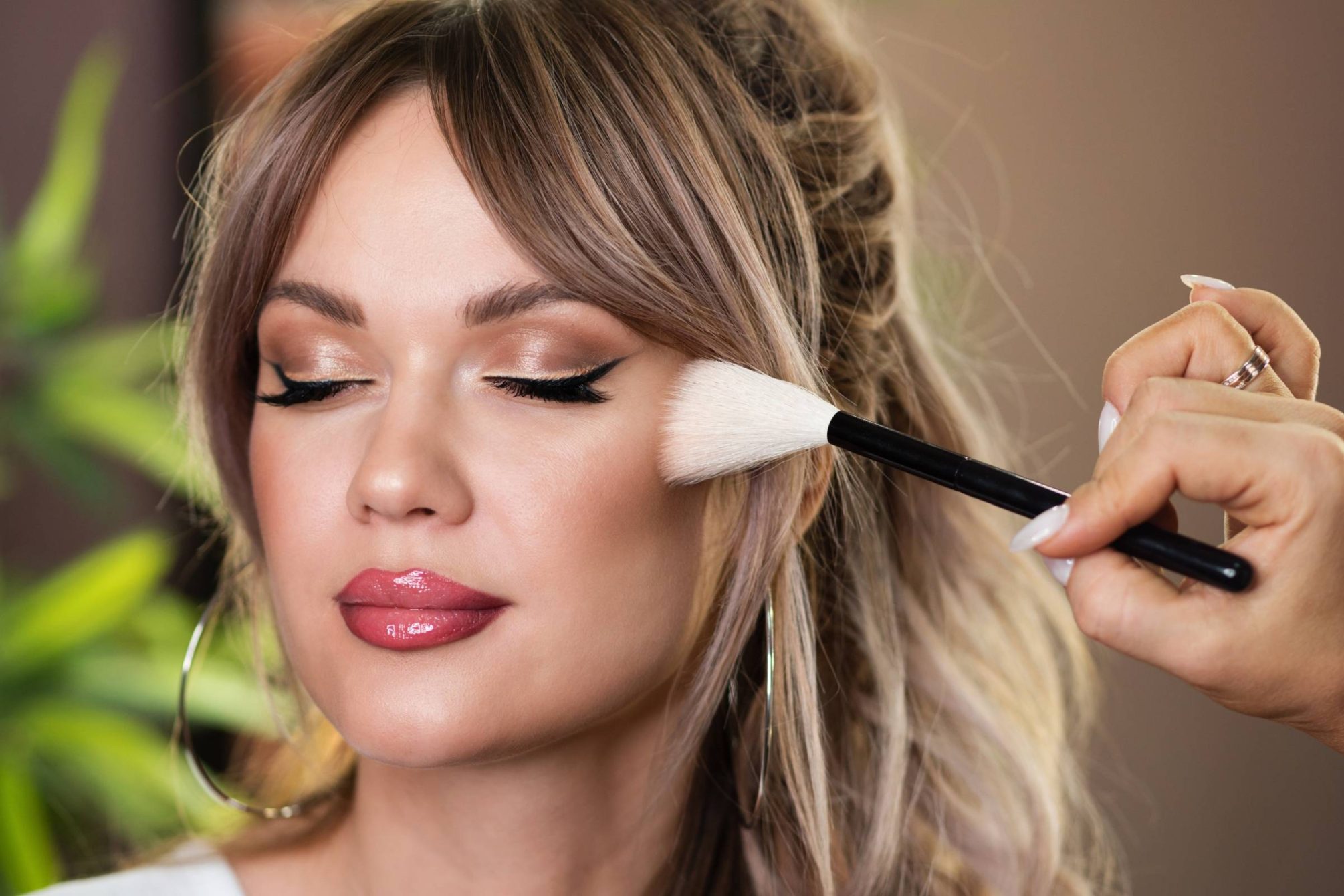
Think of it like this: imagine a sunset. It's beautiful, but it's full of those warm, golden hues. Incandescent light is kind of like a permanent, indoor sunset on your face. Nice for ambiance, not so great for precision makeup.
The "Why Is This So Funny?" Factor
What makes this whole incandescent light thing so entertaining? It’s the sheer absurdity of it! You’re trying to create art on your face, and the lighting is actively sabotaging you. It’s like trying to paint a masterpiece in a disco. Or ice a cake while riding a unicycle. It’s just fundamentally mismatched.
Plus, think about the common places you’ll find this treacherous lighting. Bathrooms! Many older bathrooms still have those warm, yellow-toned bulbs. So, you’re getting ready, feeling like a queen, and then you step out and realize your blush is practically neon. Embarrassing? A little. Hilarious in retrospect? Absolutely.

And let's not forget the "accidental dramatic effect." Ever applied blush in a dimly lit room and ended up looking like you've just run a marathon? That's incandescent light working its magic. It can amplify redness, make shadows look harsher, and generally just make your complexion seem… different. Not necessarily better.
The "Oh No, I Just Did That" Moments
We’ve all had those "oops" moments, haven't we? Here are a few incandescent-induced blunders:
- That foundation that looked perfect in your bathroom, but then in the office lights, you looked like you were wearing a mask two shades too dark.
- The eyeshadow that seemed subtle and smoky at home, but then under the harsh yellow glow, it looked like you’d been punched in the eye.
- That time you went a little heavy on the bronzer, thinking it was just adding a healthy glow, only to discover it was actually creating a rather alarming stripe down your cheek.
These are the moments that make you want to crawl under a rock, but they’re also the moments that teach us valuable lessons. And the biggest lesson? Light matters.
The Solution? It's Brighter Than You Think!
So, what’s a makeup enthusiast to do? Don’t despair! The solution is surprisingly simple and doesn't require a Hollywood studio.

The goal is to mimic natural daylight. This is your holy grail. Natural light is balanced. It shows you the true colors of your products and how they’ll actually look on your skin in the real world. It’s honest. It’s fair. It’s your makeup’s best friend.
If you can’t get to a window, invest in some good quality makeup mirrors with built-in LED lighting. Look for bulbs that have a high Color Rendering Index (CRI) – this measures how accurately a light source reveals the colors of objects compared to a natural light source. Aim for a CRI of 90 or above. And ideally, choose bulbs with a color temperature around 5000-5500 Kelvin.
Even better? Do your final makeup check in a window, if possible. A quick glance in natural light before you head out the door can save you from a makeup mishap. It's a small step, but it makes a world of difference.
A Final Thought
So, the next time your makeup is looking a little… off, don’t immediately reach for the makeup remover. Take a moment to assess your lighting situation. Is it a warm, yellowy glow? If so, your incandescent nemesis might be the culprit. Understanding this seemingly small detail can revolutionize your makeup routine. It's a fun little secret to unlock, and once you know it, you can't un-know it. Happy blending, and may your light always be bright (and accurate)!