
What Type Of Steel Is Rebar
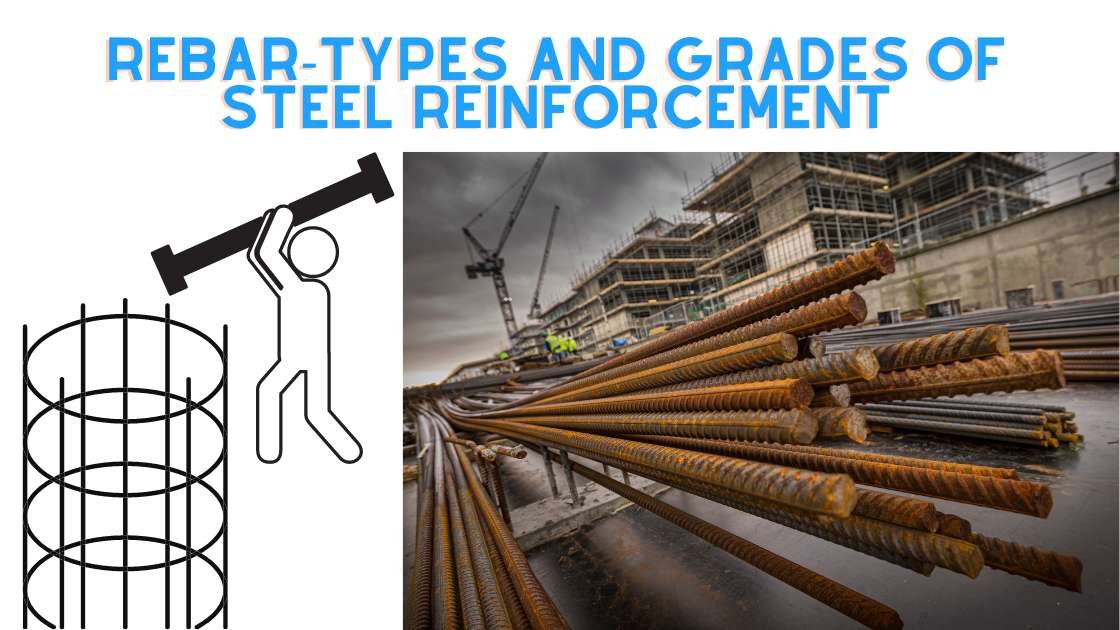
Hey there, budding builders and curious cats! Ever look at a skyscraper, a sturdy bridge, or even just a really solid sidewalk and wonder, "What's holding all that up?" Well, buckle up, buttercup, because we're about to dive into the gritty, glorious world of rebar!
Now, I know what you're thinking. "Rebar? Steel? Sounds… dry." But trust me, this stuff is the unsung hero of construction. It's the beefcake behind the beauty. And it's way more interesting than it sounds. Think of it as the muscle that gives concrete its super-strength. Pretty neat, right?
So, What Exactly IS Rebar?
Alright, first things first. Rebar is short for reinforcing bar. Fancy name, huh? It’s basically just steel rods. But not just any old steel rods. These are special. They’re designed to be super tough and to bond like a champ with concrete.
Imagine concrete as your body. It’s strong, sure, but it can be a bit brittle. Rebar? That’s your skeleton. It gives it the flexibility and tensile strength it needs to handle all sorts of stress. Without it, buildings would crack and crumble like a stale cookie. Ew.
And the coolest part? It’s everywhere! You walk on it, you drive on it, you live in it. It’s the invisible superhero holding our modern world together.
The "Ribbed" Effect: It’s Not Just for Looks!
Ever noticed those little bumps and ridges all over rebar? Those aren’t just for decoration, my friends. Those are called deformations. And they are super important!
These little nubbies and lines are designed to give the rebar a better grip on the concrete. It’s like tiny little hands clinging on for dear life. This creates a much stronger bond. Without them, the steel and concrete might just slip and slide past each other. That’s a construction disaster waiting to happen. We definitely don't want that!
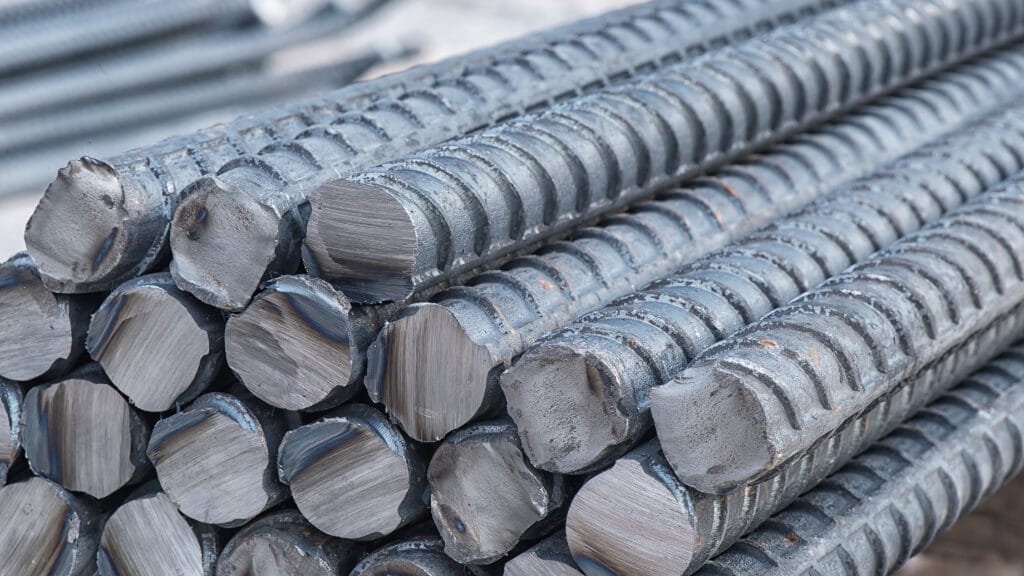
So next time you see rebar, give a little nod to those deformations. They’re doing some serious heavy lifting (literally!).
What Type of Steel Are We Talking About?
Okay, so now we know rebar is made of steel. But what kind of steel? This is where things get a smidge more technical, but we’ll keep it fun, I promise!
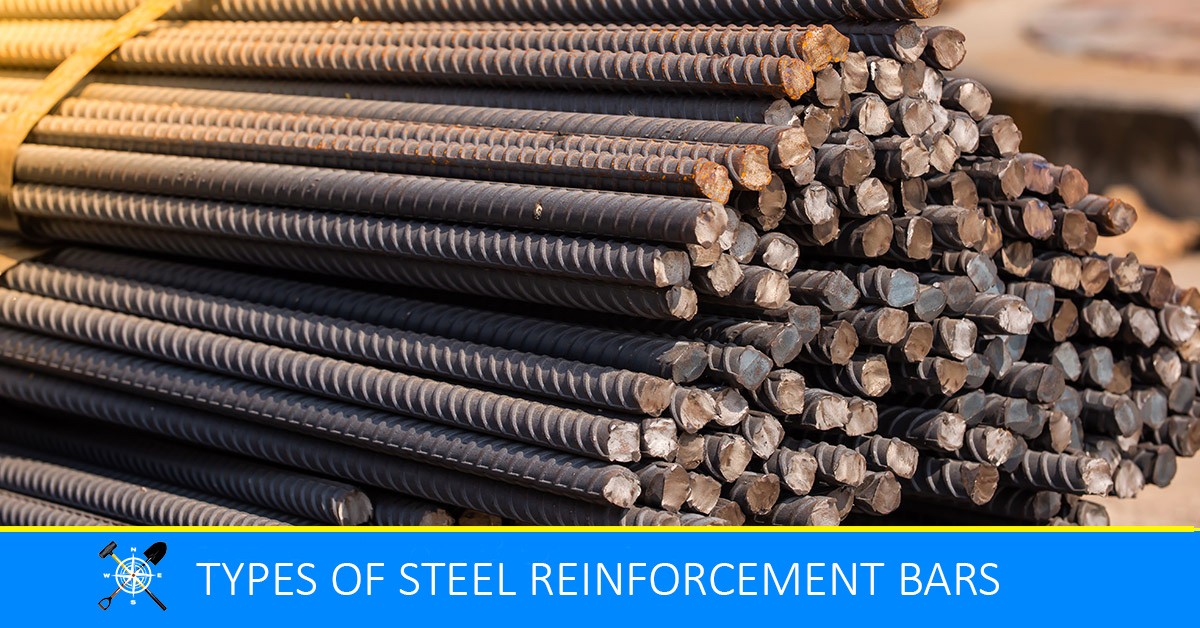
Most rebar is made from carbon steel. Now, carbon steel is a pretty common type of steel. It’s basically iron with a bit of carbon added. The carbon makes the iron stronger and harder. It’s like adding a secret ingredient to your favorite recipe!
But not all carbon steel is created equal. For rebar, we’re usually talking about medium-carbon or low-carbon steel. The exact composition can vary slightly depending on the specific requirements of the project.
Think of it like different flavors of ice cream. You’ve got your vanilla, your chocolate, and then maybe your fancy pistachio. They’re all ice cream, but they have different characteristics. Same with rebar steel.
The Mighty "Grade": It's All About Strength!
Here’s a fun fact: rebar comes in different “grades.” These grades tell you how strong the steel is. It's not like a school grade, where you might get a B-minus (yikes!). These are good grades!
Common grades include Grade 40, Grade 60, and Grade 75. The number refers to the yield strength of the steel in thousands of pounds per square inch (psi). So, Grade 60 steel can withstand at least 60,000 psi before it starts to permanently deform.
That’s a LOT of pressure! Imagine trying to bend a giant steel bar with your bare hands. You’d be there all day. Rebar can handle way more than that. It’s built to last.
Why different grades? Well, different structures need different amounts of strength. A tiny garden path might not need the same super-strength rebar as a massive skyscraper. Builders choose the grade that’s just right for the job. It's all about efficiency and safety!

Beyond the Basics: Other Fun Rebar Facts!
Did you know that rebar can sometimes be coated? Yup! For situations where there’s a risk of corrosion (rusting), they might use epoxy-coated rebar or galvanized rebar.
Epoxy coating is like giving the rebar a protective suit. It’s a tough, plastic-like coating that shields it from moisture and chemicals. It’s especially important in bridges or areas near the ocean where saltwater is a major enemy.
Galvanized rebar has a layer of zinc on it. Zinc is like a sacrificial anode. It rusts away before the steel does. Pretty clever, right? It’s like having a bodyguard for your rebar!
And here’s a quirky little detail: sometimes, rebar is even made from recycled steel! So, that old car or washing machine you might have gotten rid of could very well be out there, proudly holding up your local library. Talk about a second life!

Why Should You Care About Rebar?
Okay, okay, you might still be thinking, "This is steel. Why is this fun?" Well, think about it!
Rebar is the backbone of our world. It’s in the stuff we rely on every single day. It’s a testament to human ingenuity. We figured out how to take something strong (concrete) and make it even stronger by adding something else strong (steel) in a super smart way.
It’s a bit like a culinary masterpiece. You take basic ingredients and transform them into something amazing and essential. Rebar and concrete? That’s the ultimate construction sandwich. And it’s delicious… I mean, durable!
So, the next time you’re admiring a building or crossing a bridge, take a moment. Imagine that intricate network of steel rods hidden within. They’re the silent, strong guardians. They’re the unsung heroes. And now, you know a little bit more about what makes them so incredibly, wonderfully tough.
It’s a simple concept, really, but its impact is monumental. And isn’t that kind of fun to think about? The humble steel rod, changing the world, one construction project at a time. Pretty darn cool if you ask me!