
What Was A Consul In Ancient Rome
Ever wondered who was calling the shots in ancient Rome? Forget gladiators and emperors for a moment, because today we’re diving into the fascinating world of the Consul. Why is this important, you ask? Well, understanding the Consul is like unlocking a secret level in your knowledge of Roman history. It’s not just about dusty textbooks; it’s about figuring out how one of the most powerful empires in history actually ran. Think of it as the ultimate ancient Roman "CEO," but with a lot more toga-wearing and public speaking. So, buckle up, because we're about to meet the guys who were basically the superheroes of the Roman Republic!
The Original Dynamic Duo: Two Heads Are Better Than One
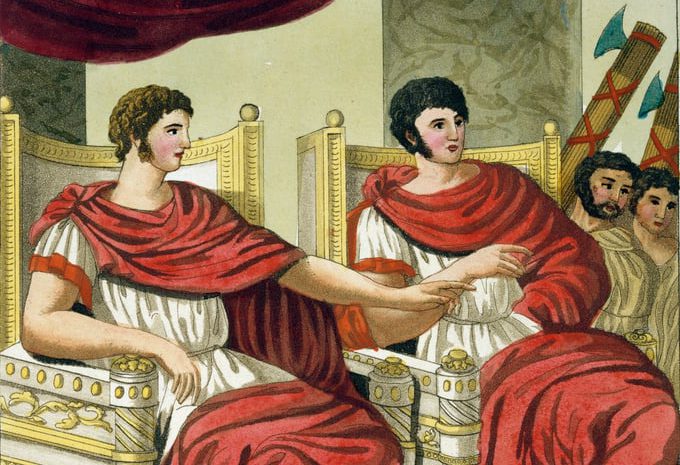
So, what exactly was a Consul? In the days of the Roman Republic (before all the emperors showed up), the highest elected office, the ultimate position of power, was held by two Consuls simultaneously. Yes, you read that right – not one, but two! This wasn't some kind of Roman administrative hiccup; it was a brilliant, albeit occasionally dramatic, system designed to prevent any single person from becoming too powerful. Imagine having two presidents, but with way more responsibility and a much cooler title. These weren't just ceremonial figureheads; they were the chief magistrates of Rome, the top dogs, the guys everyone looked to when things got serious.
The term itself, "Consul," comes from the Latin word consulere, which means "to consult." This hints at their primary role: to deliberate, to advise, and ultimately, to make the big decisions for the entire Roman state. They were the executive branch, the military commanders, and even had significant judicial powers. If you had a problem that needed solving, from defending Rome from invading barbarians to settling a major legal dispute, you’d be looking to the Consuls.
What Did a Consul Actually Do?
The responsibilities of a Consul were immense, spanning both civilian and military duties. Let's break it down:
- Leading the Army: This was perhaps their most visible and crucial role. Consuls were the supreme commanders of the Roman legions. When Rome went to war (which, let's be honest, was quite often), the Consuls were on the front lines, strategizing, leading troops into battle, and ensuring the safety and expansion of the Republic. Think of them as ancient generals with the ultimate authority. Every year, two new Consuls would be elected, and each would typically lead a portion of the army, or they might campaign together. It was a high-stakes job where a brilliant military mind could earn immense glory.
- Administering the Law: In peacetime, or when not leading the army, Consuls were responsible for overseeing the civil administration of Rome. They presided over the Senate, proposing laws and ensuring that existing ones were enforced. They had the power to interpret and even make new laws, though this was usually done in consultation with the Senate. They also oversaw elections and the collection of taxes. Imagine being in charge of running an entire country, dealing with everything from infrastructure projects to economic policy!
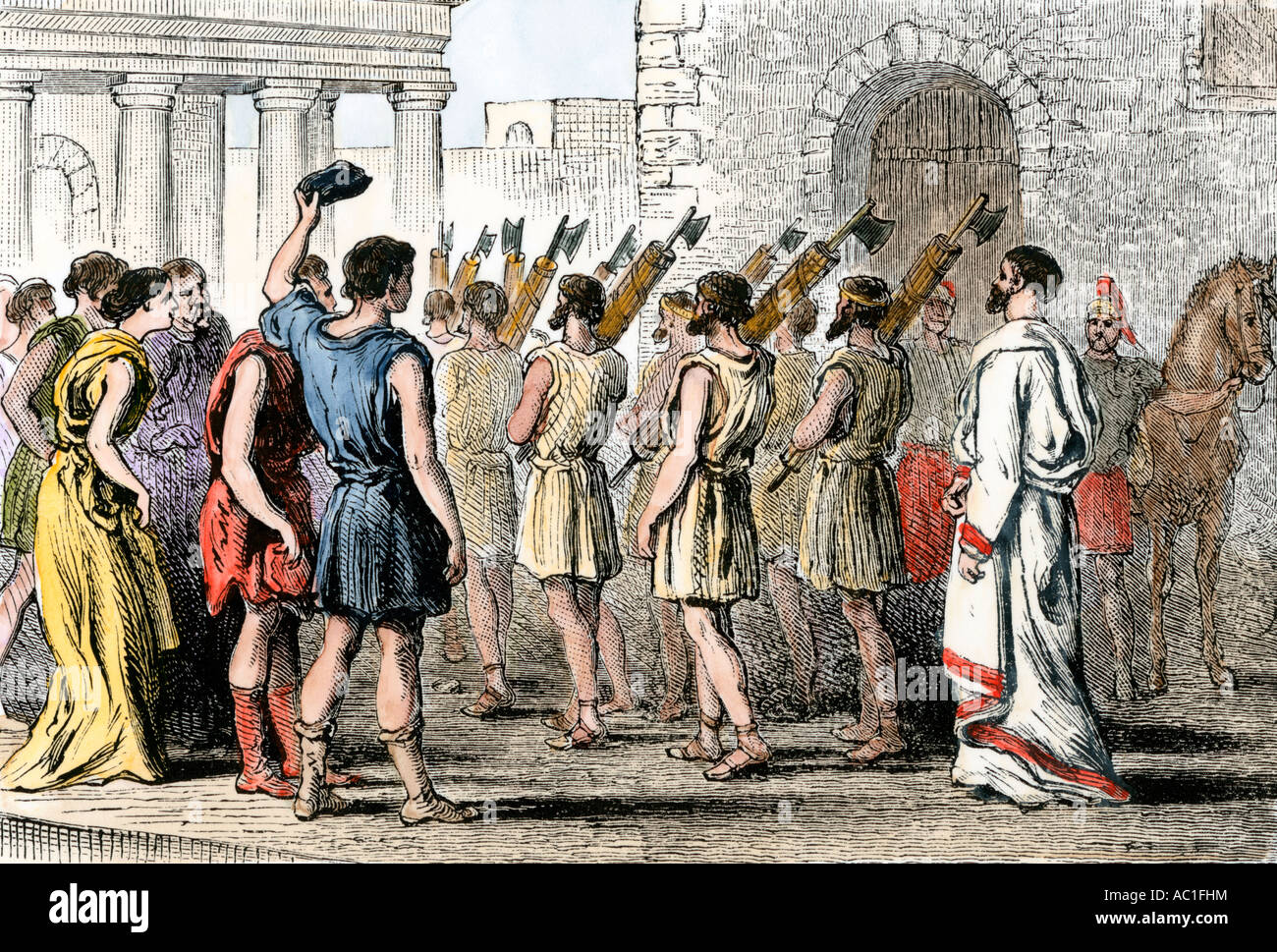
- Presiding Over Public Life: Consuls were the public face of Rome. They presided over important religious ceremonies, celebrated triumphs for victorious generals (which was often themselves!), and generally represented the authority and dignity of the Roman state. They were the ones you'd see parading through the streets after a major victory, receiving the accolades of the grateful citizens.
- Judicial Power: Consuls held significant judicial authority. They could preside over major legal cases, acting as judges and handing down sentences. For serious crimes, their word was often final, though appeals could sometimes be made to assemblies of the people. This meant they had the power to decide the fate of Roman citizens.
The power of the Consuls was immense, but it was also carefully checked. Their term was only for one year. This short duration meant they had to act quickly and decisively, but it also prevented them from becoming entrenched tyrants. Moreover, the fact that there were two Consuls meant they could veto each other's decisions. If one Consul wanted to do something the other disagreed with, the dissenting Consul could block it. This collegiality, or shared power, was a cornerstone of the Republic's stability and a safeguard against absolute monarchy.
The Benefits of the Consul System
This dual-Consul system wasn't just an interesting quirk; it had practical benefits:
- Preventing Tyranny: As mentioned, having two Consuls with the power to veto each other made it incredibly difficult for one individual to seize absolute power. This was a direct response to the Romans' historical fear of kings.
- Ensuring Action: With two leaders, it was generally easier to get things done. While they could disagree, they also had to work together to lead the state. If one was away commanding an army, the other could continue the administrative duties in Rome.
- Flexibility: The system allowed for specialized leadership. One Consul might be a brilliant military strategist, while the other might be more adept at politics and administration. This ensured that Rome had diverse leadership to meet its varied needs.
- Training Future Leaders: The position of Consul was the pinnacle of the Roman political career path, known as the cursus honorum. Serving as Consul was seen as essential experience for future senators and, eventually, emperors. It was a proving ground for the best and brightest of Roman society.
Of course, this system wasn't perfect. Rivalries between Consuls could sometimes paralyze the government or lead to costly conflicts of interest. But for centuries, the office of Consul was the bedrock of the Roman Republic, a testament to their ingenious system of governance. So, the next time you think of ancient Rome, remember the Consuls – the powerful, responsible, and often very busy, dynamic duo who helped shape an empire!