
What's The Difference Between A Goose And A Swan

Picture this: a lazy Sunday afternoon, a park pond, and a couple of majestic waterbirds gliding by. You’ve got your picnic basket, your dog’s happily sniffing around, and you’re feeling all zen. Then, one of your companions points and says, "Look at those beautiful swans!" But... are they really swans? Or could they be, dare I say it, a particularly fancy goose?
This little internal debate is more common than you think. We see these long-necked, graceful creatures and our brains immediately file them under "elegant waterbird." And nine times out of ten, we’re probably right. But that one time? It’s a bit of a mystery, isn’t it? It’s like trying to tell the difference between a BMW and a very, very expensive Mercedes at a glance. They’re both fancy cars, but there are subtle cues, aren’t there?
So, let’s dive into the fascinating (and surprisingly opinionated, if you ask me) world of geese and swans. Because honestly, who has time to constantly Google every bird they see? We’re here for the quick, digestible, and maybe a little bit cheeky, rundown.
The Big Picture: More Than Just Neck Length
At first glance, it's easy to lump these two together. They're both in the same family, Anatidae, which is basically the super-family for ducks, geese, and swans. Think of it like a really big, noisy family reunion where everyone looks kinda similar until you get to know them.
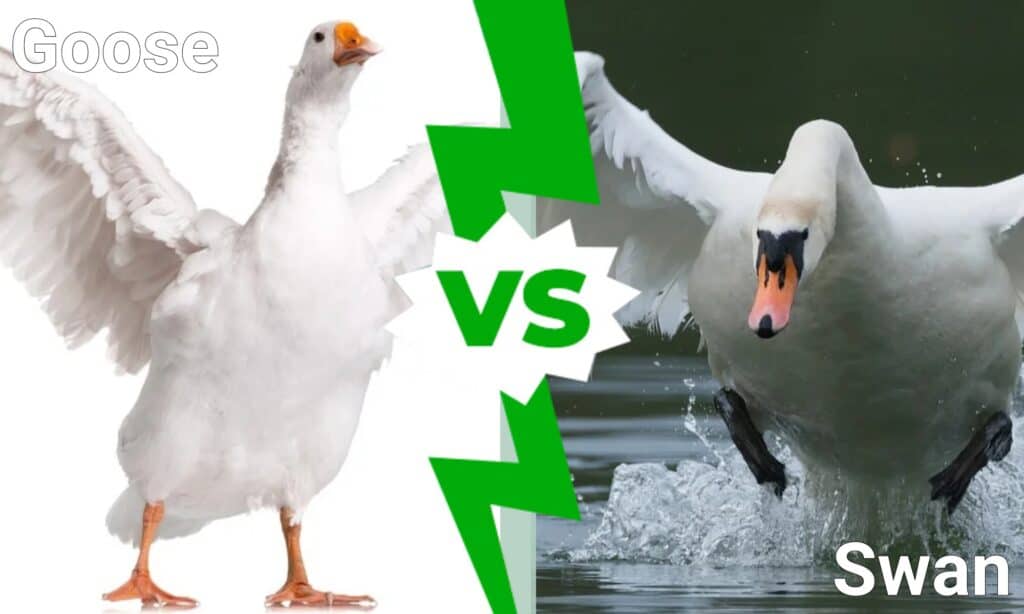
The most obvious difference people usually point to is the neck. Swans have those iconic, long, sinuous necks that they curve into elegant S-shapes. Geese, bless their hearts, have shorter, sturdier necks. It’s like the difference between a supermodel and a linebacker. Both are impressive in their own way, but you can tell them apart.
But it’s not just about the neck. There are other, more subtle clues if you’re willing to get a little bird-nerdy. And trust me, once you know them, you can’t unsee them. It’s like knowing how to spot a fake designer bag; once you see the flaws, they’re glaring.
Size Matters (Usually)
Generally speaking, swans are bigger than geese. We’re talking significantly bigger. The largest swan species, the Mute Swan, can weigh up to 25 pounds and have a wingspan of over 7 feet. That’s bigger than some small children! Geese, while certainly not small, are more in the medium-to-large bird category. Think of a really robust Thanksgiving turkey, and you’re getting closer to goose size.
However, there are always exceptions, aren't there? Nature loves to keep us on our toes. Some of the smaller goose species might be comparable in size to younger or smaller swan species. It’s like trying to compare a chihuahua to a dachshund; they're both dogs, but the size range can be surprisingly close depending on the specific breed.
So, while size is a good starting point, it’s not the absolute, end-all-be-all identifier. Keep that in your back pocket, though. It’s a solid clue.
The Beak: A Work of Art (or Just a Beak)
This is where things get interesting. The beak is a major tell-tale sign. Swans typically have long, slender beaks, often with a prominent knob at the base, especially in Mute Swans. This knob is often brightly colored and can be quite distinctive. It gives them a rather regal, almost aristocratic look.
Geese, on the other hand, tend to have shorter, thicker beaks that are more cone-shaped. They’re built for grubbing around in the dirt and nibbling on grass. Think of a practical tool versus a decorative ornament. The colors of goose beaks also vary widely, from black and orange to pink and gray, depending on the species.
When you look at the beak, you’re also looking at their lifestyle. Swans use their long necks and more delicate beaks to reach underwater vegetation, while geese are more terrestrial foragers, tearing up grass and roots.
And speaking of eating habits, this is another area where they diverge. It’s like watching someone eat a gourmet meal with a tiny fork versus someone shoveling in pizza with their hands. Both are eating, but their methods and preferred foods are very different.
Dietary Differences: Grass vs. Gourmet
Swans are primarily herbivores, spending a lot of their time dabbling in shallow water, using their long necks to reach submerged plants, roots, and stems. They can also eat some aquatic insects and small fish, but that's more of a supplement. Their diet is generally more refined, if you will.
Geese are also herbivores, but their diet is more about quantity and versatility. They're big grazers, munching on grasses, grains, and berries. They're less picky than swans and will happily chomp down on whatever green stuff is available, whether it’s a manicured park lawn or a farmer’s field. They're the ultimate lawnmowers of the avian world.

So, if you see a bird meticulously pulling weeds from the pond bottom, it’s probably a swan. If you see a bird aggressively mowing down the park grass like it owes it money, chances are it’s a goose. It's a subtle behavioral clue, but it adds to the overall picture.
Coloration: The White & Black Nuance
This is where things can get a little tricky, but also very helpful. The most commonly recognized swan is the all-white Mute Swan. Think of those classic images of elegant swans on serene lakes. Pure white, pure grace.
However, not all swans are white! There are black swans (literally, the Black Swan species, which is native to Australia and has bright red beaks) and black-necked swans. So, color alone isn’t a foolproof identifier, but the pattern of color is important.
Geese, on the other hand, are rarely pure white (unless it’s a domesticated breed, which is a whole other can of worms!). They usually have a mix of colors – browns, grays, blacks, and whites – in distinct patterns. Think of the familiar Canada Goose with its black neck and white cheek patch, or the Snow Goose with its predominantly white plumage but often black wingtips and a dark head.
So, while a pure white bird is likely a swan (especially if it has that long neck), a multi-colored bird with a more robust build is much more likely to be a goose. It’s like the difference between a pristine wedding dress and a perfectly tailored tweed suit. Both can be beautiful, but their construction and intended use are different.
Behavior and Temperament: The Diva vs. The Doofus
This is where my personal bias might be showing, but I find the behavior of these birds to be one of the most amusing ways to tell them apart. Swans, especially Mute Swans, are often perceived as graceful and somewhat aloof. They glide with an air of quiet dignity. They can be protective of their young, of course, but their general demeanor is one of elegant self-possession.
Geese? Well, geese can be… assertive. And by assertive, I mean they can be downright aggressive. They’re known for their loud honking, their territorial nature, and their willingness to chase you if you get too close. They’re the boisterous, sometimes slightly intimidating, uncle at the family barbecue.
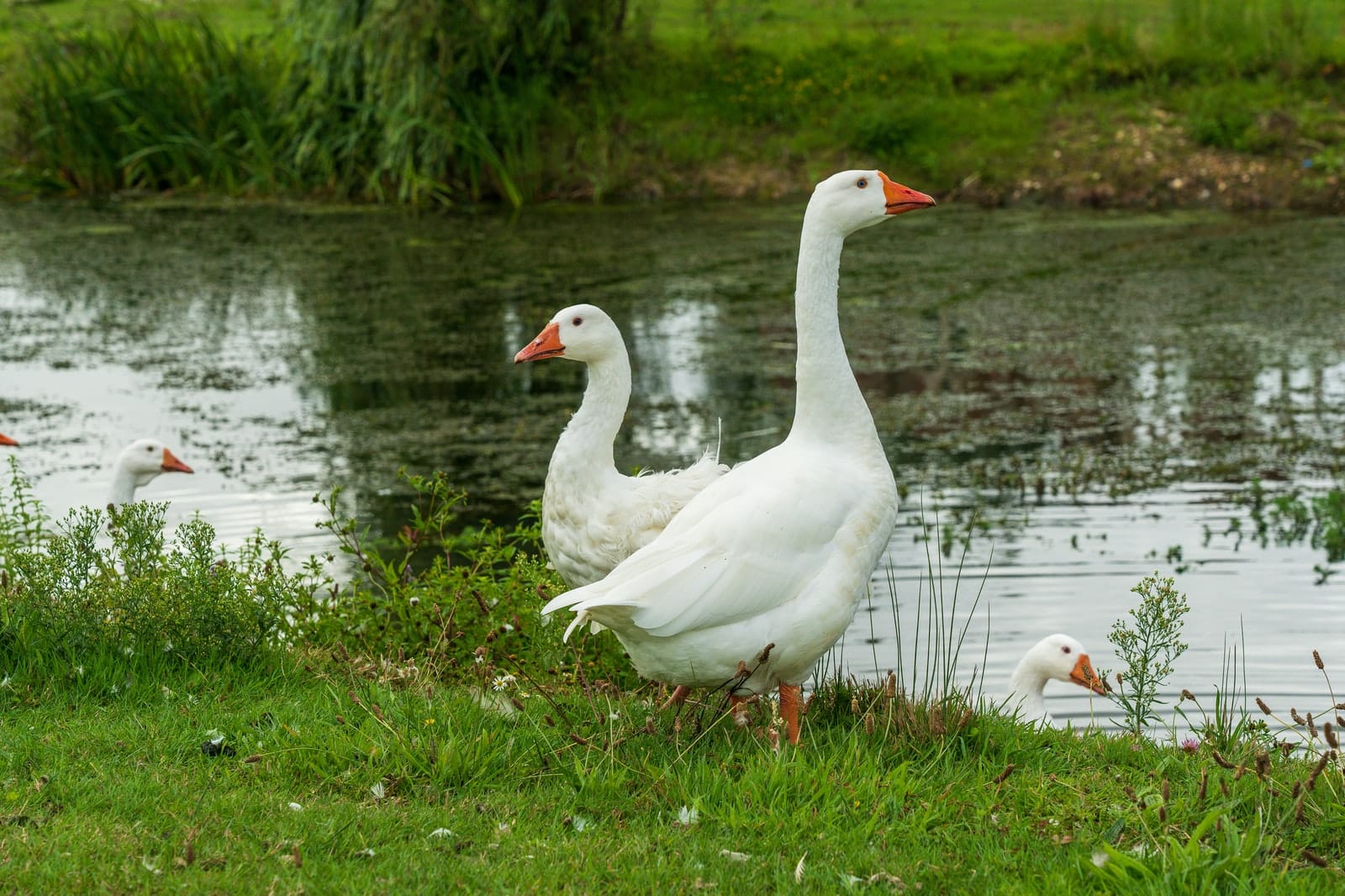
I’ve had my fair share of run-ins with geese, and let me tell you, they do not mess around. They have a way of making you feel like you’ve committed some terrible offense just by existing in their vicinity. Swans, while they can puff up and hiss, don’t usually have that same "I will end you" aura.
So, if a bird is giving you the stink eye and making a noise that sounds like a rusty trombone, it’s probably a goose. If it’s gliding past, looking like it’s posing for a nature documentary, it’s more likely a swan. It's a behavioral fingerprint, if you will.
Vocalization: Honk vs. Hiss (Mostly)
And that brings us to their sounds. The honk of a goose is unmistakable. It’s loud, it’s proud, and it’s usually a warning or a greeting. Different goose species have different honks, but that distinctive sound is a hallmark.
Swans, on the other hand, are generally much quieter. Mute Swans are known for their hissing sound, which can be quite formidable when they feel threatened. They also make a sort of “snoring” sound when they’re flying, which is rather charming. Some swan species do make trumpeting or whistling sounds, but it’s not the constant, raucous honking you associate with geese.
So, if you hear a symphony of honks, you're almost certainly surrounded by geese. If you hear a soft hiss or a quiet trumpeting, you might be in swan territory. It’s like the difference between a rock concert and a classical orchestra.
Anatomical Quirks: The Little Things That Count
Beyond the neck and beak, there are some other subtle anatomical differences. For instance, the number of vertebrae in their necks differs. Swans have more vertebrae, which contributes to their incredible neck flexibility. It’s like having more segments in an articulated robot arm.

Another subtle difference is in their foot structure. While both have webbed feet for swimming, the webbing might be slightly different in shape and size. Swans tend to have larger feet that are better suited for propelling them through the water.
These are the kinds of details you’d probably only notice if you were a dedicated ornithologist with a very close-up view, but they’re part of what makes each species unique. It’s the engineering behind the elegance, or the robust build of the grazer.
So, Next Time You’re at the Park…
The next time you find yourself by a body of water, gazing at those beautiful waterfowl, you’ll be armed with knowledge. You can impress your friends, win trivia contests (okay, maybe not that), or just silently appreciate the subtle distinctions nature has created.
Remember the key points:
- Neck: Long and curved for swans, shorter and sturdier for geese.
- Size: Swans are generally larger than geese.
- Beak: Long and slender with a knob for swans; shorter and thicker for geese.
- Coloration: Swans are often pure white (but not always!); geese have varied, patterned coloration.
- Behavior: Swans are graceful and aloof; geese can be assertive and loud.
- Vocalization: Honking for geese, hissing or softer sounds for swans.
It's not always a black-and-white (or white-and-brown!) distinction. Nature loves its variations and exceptions. But these are the general guidelines that will help you differentiate between these two magnificent members of the waterfowl family.
And if you’re still not sure? Just observe them for a while. Watch their behavior. Listen to their sounds. Chances are, they’ll give themselves away. And if all else fails, just admire them for being wonderful birds. After all, whether it’s a swan or a particularly distinguished goose, they’re both pretty special.
So there you have it. The grand unveiling of goose versus swan. Now go forth and be the bird expert you were always meant to be!