
What's The Difference Between Pipe And Tube
Alright, gather 'round, my curious comrades! Today, we're diving headfirst into a topic that might sound a smidge… well, industrial. But fear not, for we're about to demystify the age-old riddle: What's the difference between a pipe and a tube? Think of it as the great “soda can vs. soup can” debate, but for grown-ups and with slightly more metal involved. We're not talking about ancient plumbing that groans like your grandpa after a big meal, oh no. We're talking about the sleek, the sophisticated, the surprisingly distinct world of cylindrical metal magic!
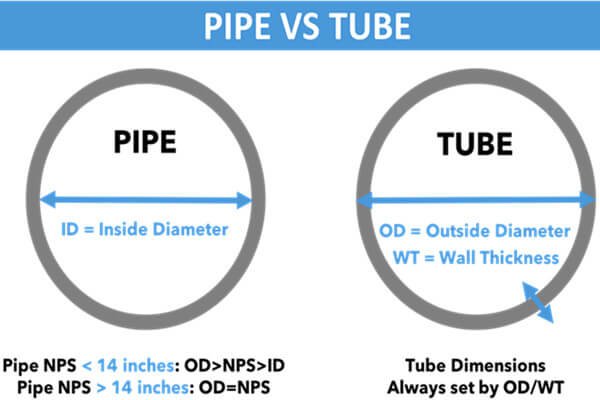
Now, I know what you're thinking. "They're both round, they both carry stuff, what's the big hullabaloo?" Well, my friends, the universe is in the details! It's the difference between a perfectly pressed suit and your comfy joggers. Both serve a purpose, but one has a certain… je ne sais quoi. And when it comes to pipes and tubes, that je ne sais quoi often boils down to one crucial measurement: the inside diameter versus the outside diameter.
Let's start with the illustrious pipe. Imagine a glorious river, wide and strong, meant to carry vast quantities of… well, whatever fluids or gases your heart desires. Pipes are generally designed to be the workhorses of the fluid transport world. Their size is typically defined by their nominal pipe size (NPS), which, here’s the fun part, doesn’t always directly correlate to the actual outside diameter! It’s like ordering a "large" coffee and getting a cup that’s slightly bigger than you expected, but definitely not a bucket. This NPS system is a little quirky, a little mysterious, and frankly, a little bit like a secret handshake among engineers. But the key takeaway is that for pipes, the inside diameter is the star of the show. It’s all about how much glorious stuff can flow through its belly!
Think of the colossal water mains under your city, carrying gallons and gallons to your taps. Those are pipes! Or the gas lines that fuel your cozy evenings. Definitely pipes! They’re built for serious business, for carrying substantial loads, and for often withstanding serious pressure. They're the brawny bodybuilders of the cylinder world, built for endurance and capacity.
Now, let’s swivel our attention to the elegant and precise tube. If a pipe is a mighty river, a tube is more like a meticulously crafted surgical instrument. The defining characteristic of a tube is that its size is almost always specified by its outside diameter. That's right, folks, the outside is what matters here! Tubes are built for precision, for accuracy, and often for applications where exact measurements are king.
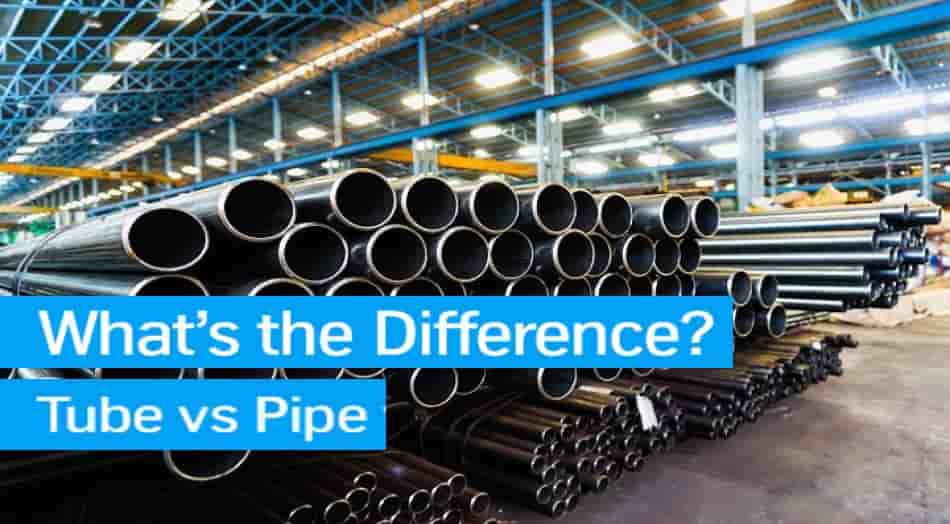
Imagine the tiny, gleaming metal straw you might use to sip a fancy cocktail. That's a tube! Or the intricate wiring conduits in your computer, guiding delicate electrical signals. Tubes! The delicate metal coils in your car’s air conditioning system that keep you cool as a cucumber on a sweltering day? You guessed it – tubes! They’re the nimble gymnasts, the precision weavers, the ones who get the job done with grace and accuracy.
The wall thickness of tubes is also often more consistent and uniform than that of pipes. This makes them ideal for situations where you need a predictable flow, a specific structural integrity, or a perfect fit for a delicate assembly. They’re less about sheer volume and more about finesse and control. They’re the elegant dancers, the skilled surgeons, the ones who bring precision to the party.
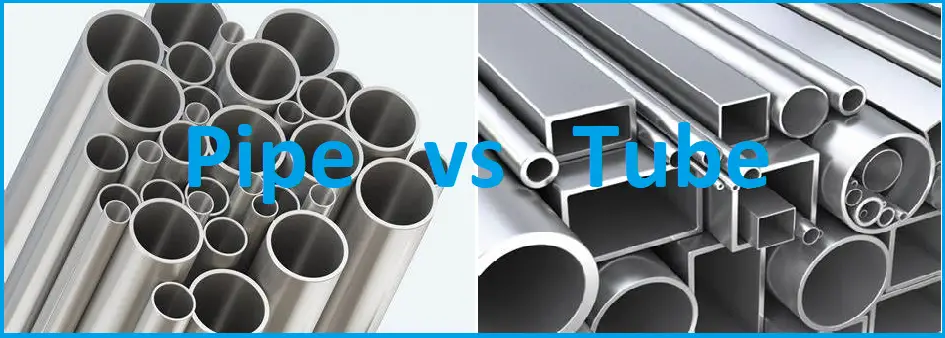
So, to recap, with a flourish and a wink:
- Pipes: Primarily defined by their inside diameter. Think big, think flow, think the epic journeys of fluids! They’re the robust, no-nonsense carriers.
- Tubes: Primarily defined by their outside diameter. Think precision, think exactness, think the delicate dance of components! They’re the meticulous makers.
It's like this: If you're building a bridge that needs to carry a colossal amount of traffic, you're going to use pipes. Big, strong, and designed for massive flow. But if you're assembling a high-tech gadget that requires super-accurate connections and a sleek, fitted design, you'll be reaching for tubes. They're the perfect fit for intricate mechanisms.
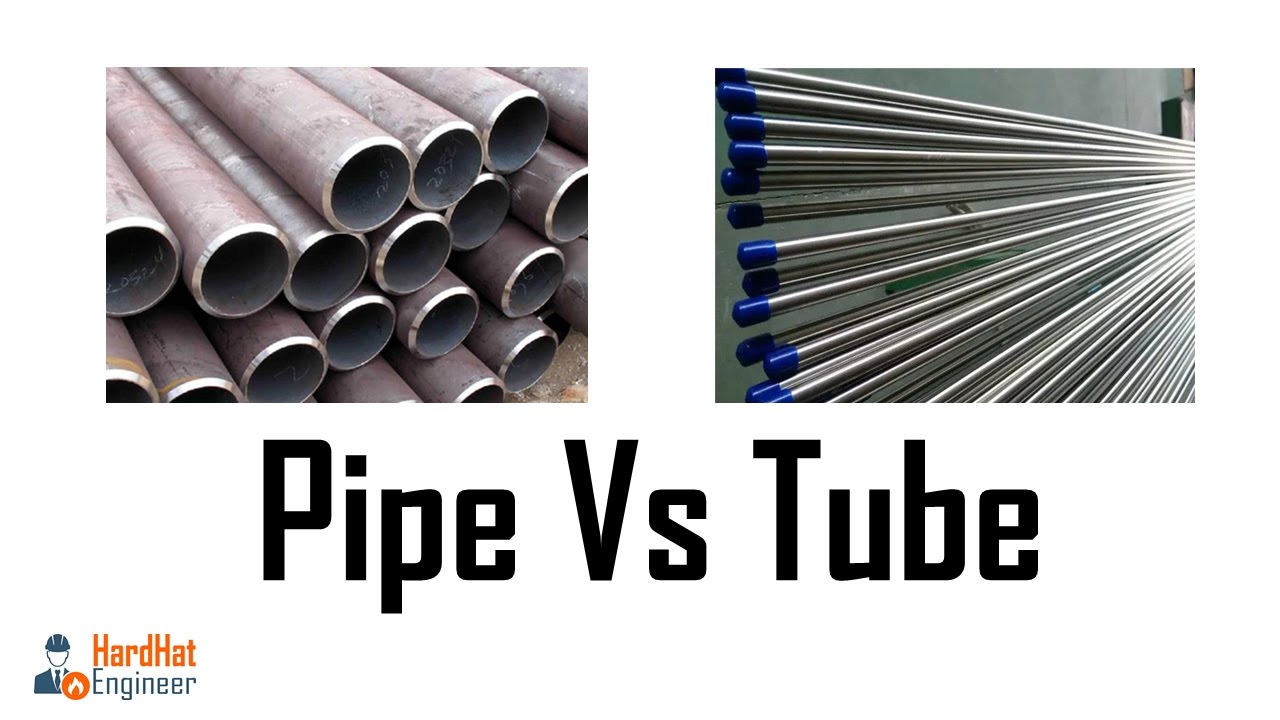
The materials they're made from can also differ, and the manufacturing processes can be quite distinct. Pipes often have thicker walls and are welded or seamless depending on the application and pressure requirements. Tubes, on the other hand, might be drawn, extruded, or manipulated in ways to achieve those precise dimensions and smoother finishes.
So, the next time you see a metal cylinder doing its thing, whether it's a massive conduit snaking across the landscape or a tiny gleaming component in a piece of machinery, you'll know. You'll have the secret knowledge. You'll be able to tell your friends, with a knowing smile and a confident nod, "Ah, that's clearly a pipe… or, wait a minute, is that a tube?" And in that moment, you'll be a certified cylinder connoisseur. Isn't that just wonderfully, delightfully… technical?