
When Did Nu Metal Start
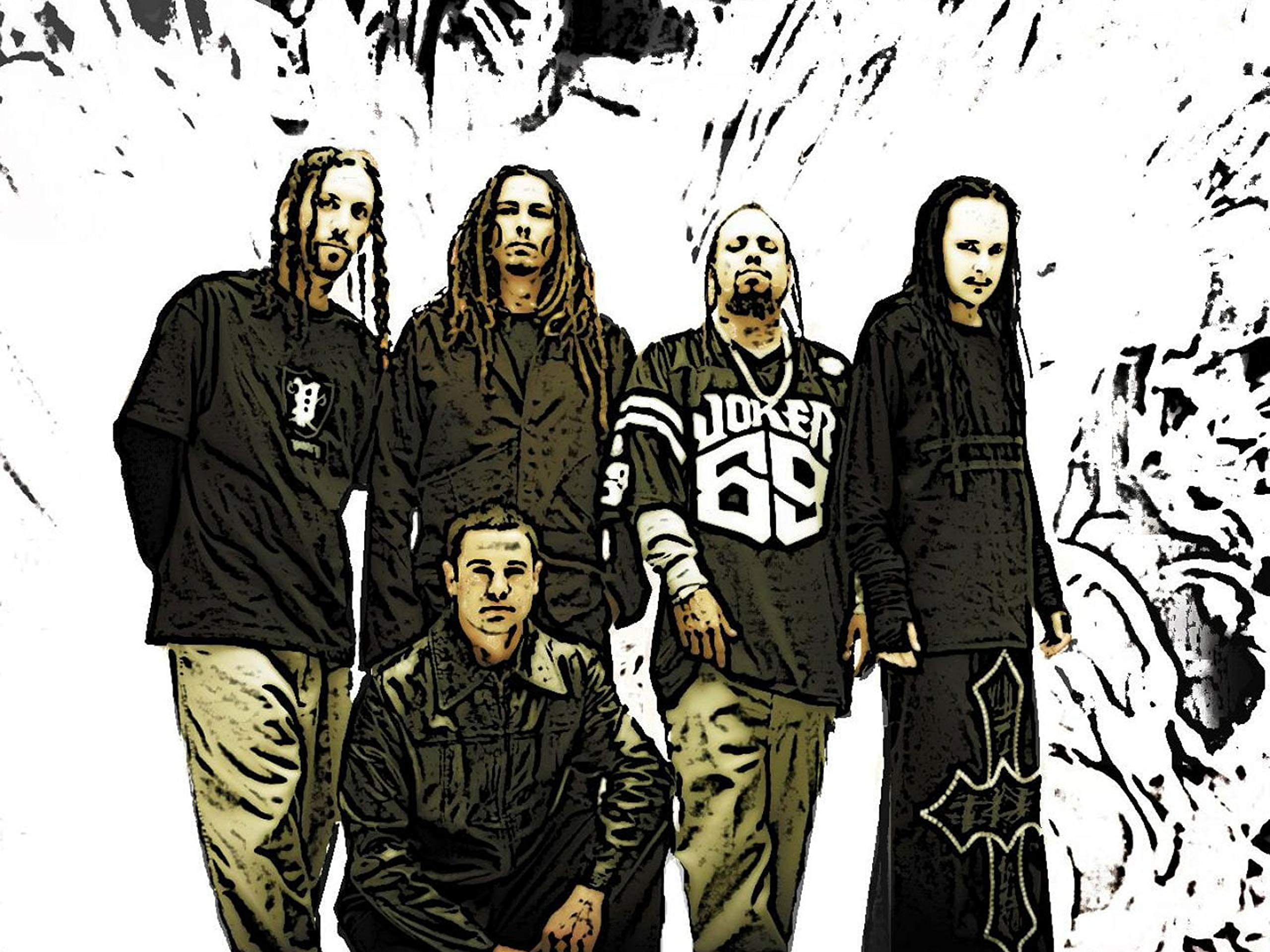
So, you've heard the term "Nu Metal" thrown around. Maybe you've seen a band with a baggy tracksuit and a backwards baseball cap, or perhaps you've just grooved to some seriously heavy riffs with a bit of… well, something else mixed in. But when exactly did this awesome, sometimes wonderfully awkward, musical mashup actually kick off? Let's just say it wasn't like a light switch flicked on; it was more like a bunch of cool kids in the 90s tinkering in their garages, accidentally inventing something epic.
Think about the late 1980s and early 1990s. The world of music was a wild place. You had the raw, gritty energy of heavy metal, all soaring guitars and powerhouse vocals. Then, you had the pulsing, often socially conscious beats of hip-hop, with its incredible rhythmic swagger and lyrical storytelling. These two worlds, as different as they might have seemed, were starting to eye each other up, like two kids at a school dance who secretly think the other looks pretty cool.
The real spark, the moment where things started to really bubble and brew, is a bit fuzzy. It's hard to point to one single song or one single band and say, "Aha! This is it!" Because, honestly, Nu Metal was born from a feeling, a desire to break down walls and just make some noise that felt new. It was about mixing the aggression and power of metal with the groove and attitude of hip-hop, and then throwing in a dash of funk, some industrial grit, and whatever else sounded awesome.
Many folks will point to bands like Rage Against the Machine as early pioneers. Their 1992 debut album was a sonic earthquake. Zack de la Rocha's fierce rapping over Tom Morello's mind-bending guitar solos was unlike anything most people had heard before. It was political, it was powerful, and it had a beat you could actually nod your head to, even while your ears were being pummeled.
Then there were the bands that started to lean even harder into that hip-hop influence. Think about the late 90s. Suddenly, you had groups emerging that weren't just inspired by hip-hop; they were actively incorporating its rhythmic structures, its vocal delivery, and even its sampling techniques. It was like taking the heavy guitar riff and saying, "Okay, now let's make it bounce."
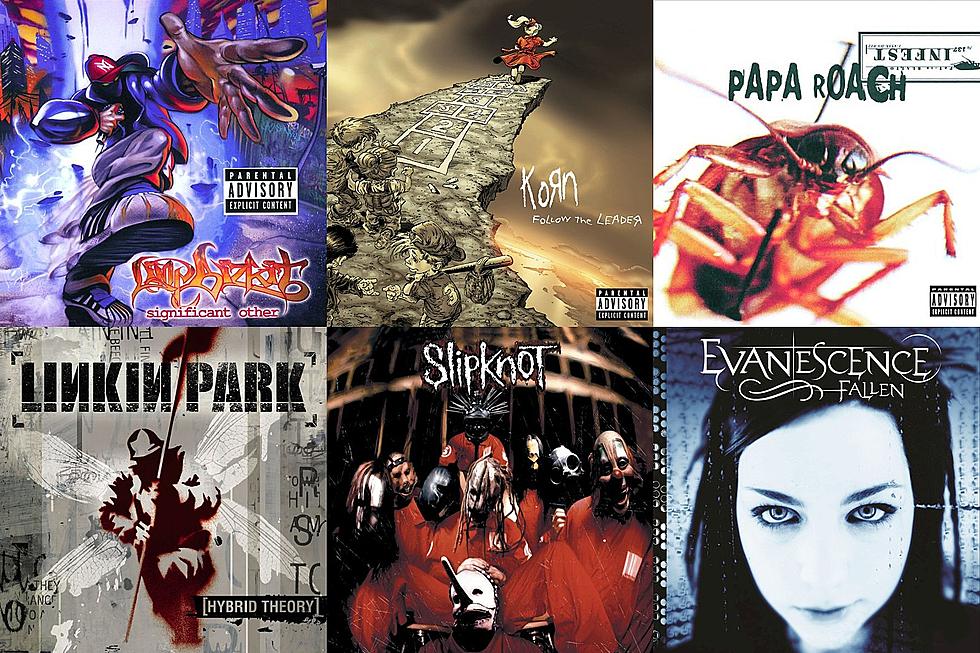
One of the most influential bands that really helped define the Nu Metal sound was Korn. Their self-titled debut album dropped in 1994, and while it didn't immediately conquer the world, it was a crucial stepping stone. Later albums, like Life Is Peachy and the absolutely massive Follow the Leader (1999), really solidified their place in the genre.
What was so special about bands like Korn? Well, they weren't afraid to get a little… weird. Their guitar tuning was often dropped way down low, creating this dark, sludgy, almost suffocating sound. And the vocals? They weren't always the operatic wails of traditional metal. Instead, you had a lot of raw emotion, sometimes bordering on anguish, delivered with a distinct hip-hop cadence.
And let's not forget Deftones. While they always had a more atmospheric and experimental edge, their early work in the mid-90s, particularly albums like Around the Fur (1997), showed a band unafraid to blend heavy, sludgy riffs with Chino Moreno's melodic and sometimes screaming vocals. They were a bit more mysterious, a bit more artful, but definitely part of that sonic landscape.

The term "Nu Metal" itself didn't become a household name overnight. It was a label that critics and fans eventually started to use to describe this emerging wave of bands. It was a way to categorize this exciting, genre-bending phenomenon. It’s almost like someone looked at a big bowl of ingredients – heavy guitars, rap vocals, funk basslines, electronic samples – and said, "You know what? Let's call this… Nu Metal!"
As the late 90s bled into the early 2000s, Nu Metal absolutely exploded. Bands like Limp Bizkit, with their undeniable swagger and Fred Durst's sometimes polarizing, but always attention-grabbing, persona, became massive. Their blend of rap-rock with catchy, anthemic choruses was pure ear candy for a generation.
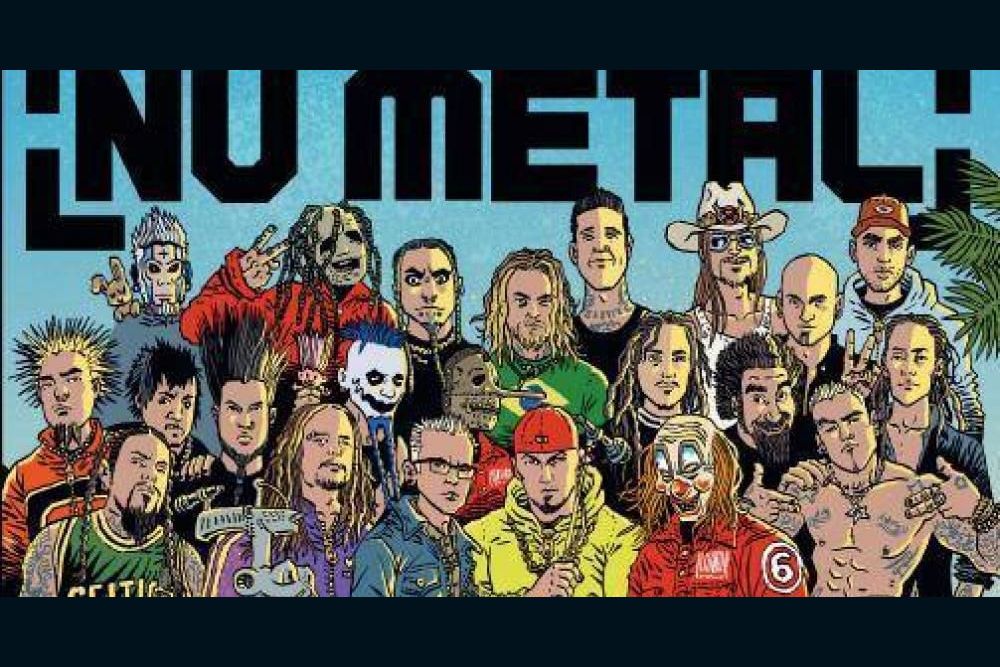
And then there was Slipknot. Now, these guys took the aggression and the mask-wearing theatricality to a whole new level. While often debated if they are purely Nu Metal, their early work, especially their self-titled album (1999) and the groundbreaking Iowa (2001), shared a lot of the genre's DNA: the low-tuned guitars, the percussive intensity, and a raw, cathartic energy. They were the wild card, the ones who really pushed the boundaries of heaviness.
Think about System of a Down. They were a category all their own, but their unique brand of Armenian-influenced, politically charged, and utterly bonkers music certainly shared the same spirit of musical exploration as Nu Metal. Their ability to go from a whisper to a scream to a full-blown operatic passage in the blink of an eye was revolutionary.
What was so appealing about this sound? For many, it was the relatability. The lyrics often tackled themes of alienation, anger, and social commentary, but they did it with a raw honesty that resonated with a lot of young people who felt like outsiders. It was music for the misfits, the ones who didn't quite fit into the mainstream.
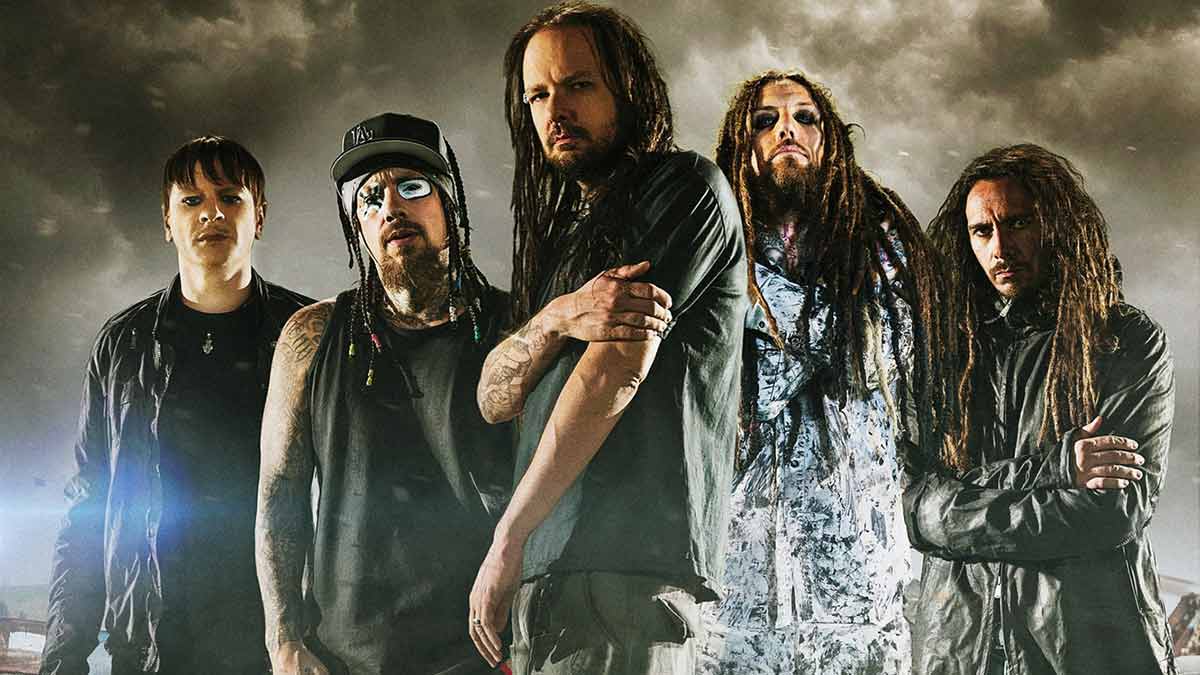
And the fashion! Oh, the fashion. Baggy jeans, bandanas, backwards hats, cargo shorts… it was a whole vibe. It was casual, it was rebellious, and it was distinctly its own thing. It was like a uniform for the alienated youth of the late 90s and early 2000s.
So, to put it simply, while there's no single definitive date, the seeds of Nu Metal were sown in the early to mid-90s, with bands like Rage Against the Machine and Korn laying the groundwork. By the late 90s and into the early 2000s, it had blossomed into a full-blown phenomenon, with bands like Limp Bizkit, Deftones, and the terrifyingly awesome Slipknot dominating the charts and the airwaves.
It was a time of exciting musical experimentation, a period where artists weren't afraid to smash different genres together to create something fresh and exciting. Nu Metal might have had its critics, but for a generation, it was the soundtrack to their lives, a powerful, cathartic, and undeniably fun way to express themselves. It's a legacy that still echoes today, proving that sometimes, the best music comes from breaking all the rules.