
Where Can I Go Metal Detecting
Ever find yourself staring at the ground, wondering what treasures lie just beneath the surface? Maybe it’s the thrill of discovery, the whispers of history, or simply the urge to unplug and get your hands a little dirty. Whatever the reason, metal detecting has this irresistible pull, turning ordinary walks into potential treasure hunts. It’s a hobby that’s as laid-back as a summer breeze and as exciting as finding a forgotten twenty-dollar bill in your old jeans. So, where can a budding detectorist go to scratch that itch for buried riches? Let’s dive in!
First things first, before you even think about unearthing ancient relics or lost bling, the most important rule is to know the law. Seriously, this isn't the Wild West. Different places have different rules, and you don't want your exciting adventure to end with a stern talking-to or a fine. Think of it as your pre-adventure briefing. Ignorance of the law isn't a great treasure to uncover.
The Beach: Where the Ocean Meets Opportunity
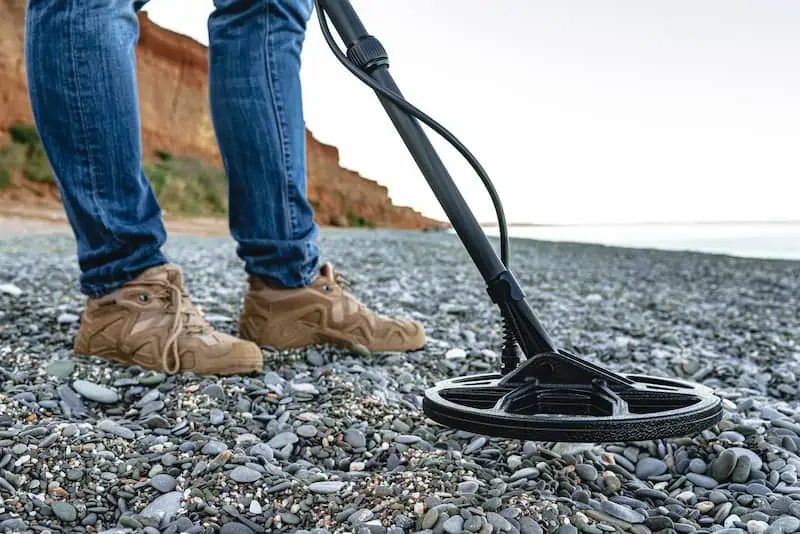
Ah, the beach. The classic, the iconic, the place where many a metal detecting dream begins. There's something undeniably romantic about combing the shoreline, listening to the waves, and imagining the lost trinkets of beachgoers past. From dropped earrings to forgotten coins, the sand is a fertile ground for discovery.
When to go: Early mornings or late evenings are usually your best bet. Not only is it less crowded, but the tide often leaves behind interesting finds as it recedes. Low tide is your best friend here.
What to look for: Beyond the obvious lost jewelry (we’re talking rings, bracelets, and that single earring you thought you’d never see again), you might stumble upon old coins, bottle caps, and even fishing lures. Sometimes, older beaches might yield Victorian-era coins or even artifacts from shipwrecks if you're really lucky and in the right location.
Fun fact: Some of the oldest coins found by metal detectorists on beaches date back to the Roman Empire, suggesting ancient travelers were just as prone to losing their pocket change as we are!
Pro tip: Always respect private property. If a section of the beach is clearly marked as private, steer clear. Also, be mindful of nesting areas for birds or other wildlife. Let’s keep the ecosystem as pristine as possible, shall we?
Parks and Public Spaces: Urban Oases of Opportunity
Think about your local park. Children playing, picnics galore, people just enjoying a stroll. All these activities mean potential for lost items. Parks are fantastic hunting grounds for everyday treasures and sometimes, with a bit of luck and historical context, something a little more significant.
Permissions are key: Many parks have specific rules about metal detecting. Some welcome it, some allow it with permits, and some outright ban it. A quick search of your local council or park authority website is crucial. Look for phrases like "recreational detecting" or "historical artifact recovery."
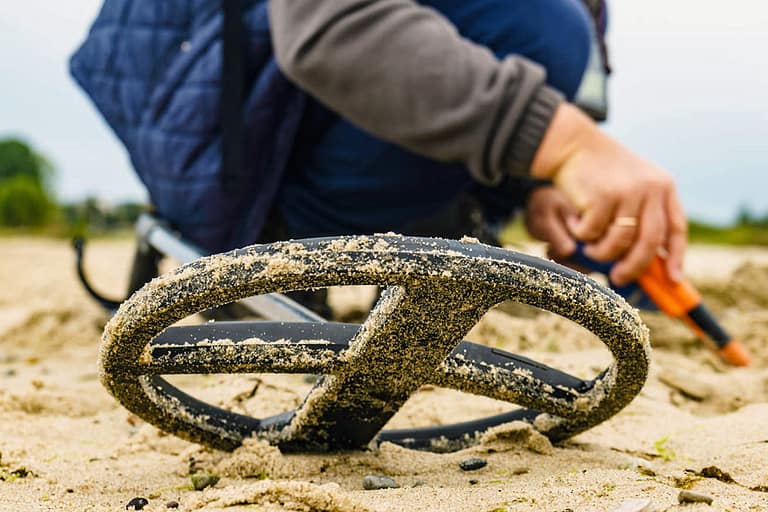
Where to focus: Areas where people congregate are usually best. Think picnic spots, near benches, around old playgrounds, or along well-trodden paths. Old parkland, especially if it was once part of a larger estate or hosted events, can be particularly rewarding.
What you might find: Coins are a given, especially modern ones. You might also find lost toys, keys, buttons, and maybe even old hair clips or brooches. If the park has a long history, you could be looking at Georgian or Victorian coins, or even old military buttons if it was once a training ground.
Cultural connection: Imagine the stories held within these parks! Perhaps a coin you find was dropped by a child buying penny sweets a hundred years ago, or a button from a uniform worn during a bygone era. You're not just finding metal; you're uncovering fragments of lives lived.
A word on responsibility: If you dig a plug, make sure you put it back neatly, leaving no trace. We want to leave the park looking better, not like a badger's been at it. Pack out everything you pack in, including any trash you find. Leave no trace is the golden rule.
Historical Sites (with Caution and Permission!): Unearthing the Past
This is where things get really exciting. Old battlefields, abandoned homesteads, ancient ruins – these places are like time capsules waiting to be opened. However, this is also where the rules become extra stringent.
Legality is paramount: Many historical sites are protected by law. Digging on unpermitted historical land can lead to severe penalties, including hefty fines and even imprisonment. Never metal detect on national monuments, archaeological reserves, or land designated as protected heritage without explicit, written permission from the relevant authorities.

Where to start: Look for privately owned historical properties where the owner is open to detecting. Sometimes, historical societies or detecting clubs organize supervised digs on such land. Researching local history can point you towards areas that were once settlements or important landmarks that are now on private property.
What treasures lie within: This is where you might find genuine historical artifacts – old coins from centuries past, musket balls, buckles, pottery shards, and potentially even tools or personal items that offer a tangible link to our ancestors.
The thrill of a genuine find: Imagine finding a coin that hasn't seen the light of day for 300 years! The feeling is indescribable. It’s a direct connection to the people who lived, worked, and walked that land long before us.
Ethical considerations: If you find something of significant historical or archaeological importance, it's often legally and ethically required to report it to the relevant authorities. Your detector might be a tool for discovery, but preserving history is a collective responsibility.
Farmland and Open Countryside: The Quiet Corners
Vast swathes of farmland and rolling countryside offer a sense of freedom and potential. Many of these areas were once the sites of old homesteads, farms, or even small communities that have long since disappeared.
Getting permission is non-negotiable: Always, always, always get permission from the landowner before stepping foot on their property. A friendly chat, a willingness to help with chores, or even a small offering can go a long way. Landowners are often happy to have someone else keep an eye on their property, and you might strike up a great friendship.

Focus on older features: Look for areas around old farm buildings (even if they're just foundations now), old well sites, near hedgerows that might mark old property lines, or any place that looks like it might have been a dwelling or gathering spot centuries ago.
Potential finds: Similar to historical sites, you can find old coins, buttons, buckles, and farm implements. Old homesteads can yield personal items lost by former inhabitants, giving you a glimpse into their daily lives.
The peaceful pursuit: There's a special kind of peace that comes with detecting in the open countryside. The fresh air, the natural beauty, and the quiet solitude make it a truly relaxing experience, even before you find a single thing.
Respect the land: Remember you're a guest. Be mindful of livestock, avoid damaging crops, and always fill your holes neatly. Leave the land as you found it, or even better.
What About the Gear? A Quick Note.
You don't need a super-expensive, top-of-the-line detector to start. Many entry-level models are fantastic for beginners and can unearth plenty of exciting finds. The most important thing is to understand your machine, its settings, and its capabilities.
Essential accessories: A good pinpointer is a game-changer, helping you locate targets precisely in the dug soil. A trowel or small spade is essential for digging, and a finds pouch is a must for storing your discoveries (and any trash you collect).

The learning curve: Don't get discouraged if your first few outings are filled with bottle caps and pull tabs. Every detectorist has been there! It’s all part of the learning process. Learning to interpret your detector's signals takes practice.
The Cultural Ripple Effect
Metal detecting isn't just a solitary hobby; it connects you to a wider community. Online forums, local detecting clubs, and even social media groups are great places to share finds, swap tips, and learn from experienced detectorists. It’s a surprisingly social pursuit for something that often happens in solitude.
Sharing the joy: Imagine the excitement of showing off a rare coin or an interesting piece of history to fellow enthusiasts! These connections can enrich the hobby immensely.
Preservation and education: Many detectorists are passionate about preserving history and educating others about the finds they make. They often work with local museums or historical societies, ensuring that important artifacts are cared for and documented.
A Moment of Reflection
In our fast-paced, digitally saturated world, metal detecting offers a wonderful antidote. It encourages us to slow down, to engage with the physical world, and to appreciate the tangible remnants of the past. Every coin, every button, every small fragment tells a story. It’s a reminder that history isn’t just in books; it’s all around us, waiting to be discovered, often just a few inches below the surface of our everyday lives.
So, the next time you’re out for a walk, whether it's on a sandy shore, a quiet park, or a scenic countryside trail, take a moment to consider the ground beneath your feet. Who knows what stories it might hold? And who knows, with a little bit of curiosity and the right tools, you might just be the one to unearth them.