
Where Is Aluminum Foil Made

Ever wonder about that shiny, crinkly stuff you wrap your leftovers in? That's aluminum foil, and it's pretty darn cool. It’s like a superhero for your food, keeping it fresh and preventing those pesky freezer burns.
But where does this magical metal sheet come from? It's not like it sprouts from the ground, right? The journey of aluminum foil is actually quite fascinating, a real adventure from the earth to your kitchen drawer.
Most of the world's aluminum starts its life as a rock. Not just any rock, though. It's a special kind of reddish-brown dirt called bauxite. Imagine giant mines, digging up this earthy treasure from deep underground.
Countries like Australia, Guinea, and Brazil are big players when it comes to digging up bauxite. They have vast landscapes where this important mineral is found in abundance.
Once they dig up the bauxite, it's not quite ready to be made into foil yet. It needs a serious makeover. This is where things get really interesting. The bauxite is taken to special factories, sometimes called alumina refineries.
Here, they use a clever process to separate the actual aluminum from all the other stuff in the bauxite. Think of it like sifting flour to get only the fine powder. They use chemicals and heat to get pure alumina.
Alumina is a white powder, kind of like fine sugar or flour. It's the clean ingredient for making aluminum. This white powder is the next step on our foil's exciting journey. It's transported, often by ship or train, to another type of factory: an aluminum smelter.
Aluminum smelters are massive places, humming with energy. This is where the real transformation happens. They take that alumina powder and zap it with electricity. It's a very powerful process, using a lot of energy.

The result? Molten, glowing aluminum! It looks like liquid silver, incredibly hot and shiny. This molten aluminum is then poured into molds. These molds create big, heavy blocks called ingots.
These ingots are the raw material for all sorts of aluminum products. But for our humble foil, they go through a few more steps. The ingots are heated up again and then fed into giant machines called rolling mills.
Imagine a series of enormous, powerful rollers. These rollers squeeze and flatten the hot aluminum. They pass the metal back and forth, making it thinner and thinner with each pass.
This is where the foil starts to take shape. The metal is rolled down to incredibly thin thicknesses, sometimes thinner than a human hair! It’s a very precise process to get that characteristic thinness we know and love.
During the rolling process, the aluminum is often passed through the rollers in pairs. This is what gives aluminum foil its two different finishes: one side is shiny, and the other is dull. It’s a little secret of the manufacturing world!

After being rolled to its final thinness, the giant rolls of aluminum are then cut. They are cut into the smaller rolls you see in the supermarket. These rolls are then packaged up, ready for their final destination: your kitchen!
So, the next time you reach for that roll of foil, remember its incredible journey. From a humble rock in the ground to a shiny sheet ready to protect your food, it's quite a story. It's a testament to human ingenuity and engineering.
The factories that make aluminum foil are located all over the world. While the raw material might come from a few key countries, the actual rolling and packaging happens in many places. This makes aluminum foil accessible to almost everyone.
Companies like Reynolds Wrap, Alcan, and many others are involved in the production and distribution of aluminum foil. They have sophisticated factories that churn out miles and miles of foil every day.
It's pretty amazing to think about the complex processes involved. The mining of bauxite, the chemical refining, the energy-intensive smelting, and the precise rolling – it all comes together to create this everyday kitchen essential.

And let's not forget the sheer amount of aluminum foil produced. It’s a global industry, serving millions of homes and businesses. The demand for this versatile material is constant.
What makes aluminum foil so special? Well, it's incredibly versatile. It can handle high heat for baking and grilling. It’s also great for keeping food cold and preventing spoilage.
Plus, it’s recyclable! That’s a big win for the environment. So, not only is it a fantastic kitchen tool, but it’s also a more sustainable choice than many other materials.
The process of making aluminum foil is a fascinating blend of geology, chemistry, and mechanical engineering. It’s a journey that transforms a simple rock into a sophisticated product that plays a vital role in our daily lives.
Think about it: that thin, shimmering sheet has traveled a long way. It’s been heated, squeezed, and rolled with incredible precision. All so you can bake that perfect roast or keep your sandwiches fresh.
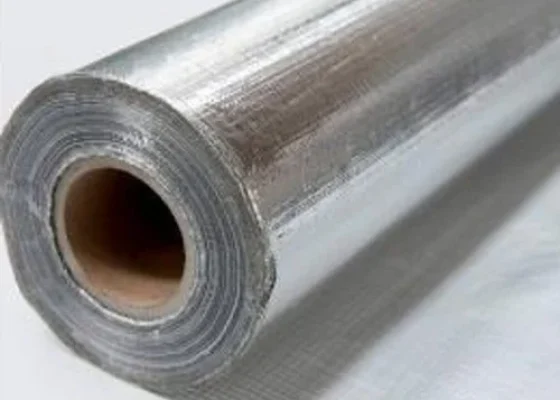
It’s a marvel of modern manufacturing. The scale of the operations is immense. From the initial extraction of raw materials to the final packaging, it’s a global effort.
The next time you unroll a sheet of foil, take a moment to appreciate the science and the effort behind it. It’s more than just kitchen wrap; it’s a product with a remarkable origin story.
And it’s made in places that are constantly working to refine the process and make it more efficient. The aluminum industry is always looking for ways to improve.
So, where is aluminum foil made? It’s made in factories around the world, using aluminum derived from bauxite mined in various global locations. It's a product of international collaboration, brought together through complex industrial processes.
It’s a testament to how we can take something from the earth and turn it into something so useful and commonplace. The journey of aluminum foil is truly an everyday wonder!
It’s a story that starts with a simple rock and ends with a shiny, indispensable tool in your kitchen. What’s not to love about that?