
Which Is Better 304 Or 316 Stainless Steel

Let's talk about stainless steel. It’s the superhero of metals, isn't it? Shiny, strong, and resists rust like a champ. But there's a little secret whispered among metal enthusiasts.
We're talking about two titans: 304 stainless steel and 316 stainless steel. They’re like siblings, but with a slight family feud. Or maybe it’s more like one’s the popular kid and the other’s the slightly more sophisticated cousin.
Most of us just see "stainless steel" and nod approvingly. It’s in our pots, our pans, and our fancy kitchen appliances. It looks good. It performs well. What more could we ask for?
Well, if you’re asking for a bit more performance, then the plot thickens. This is where things get interesting, and perhaps a little controversial. Prepare yourself for an "unpopular opinion" that might just resonate with your inner pragmatist.
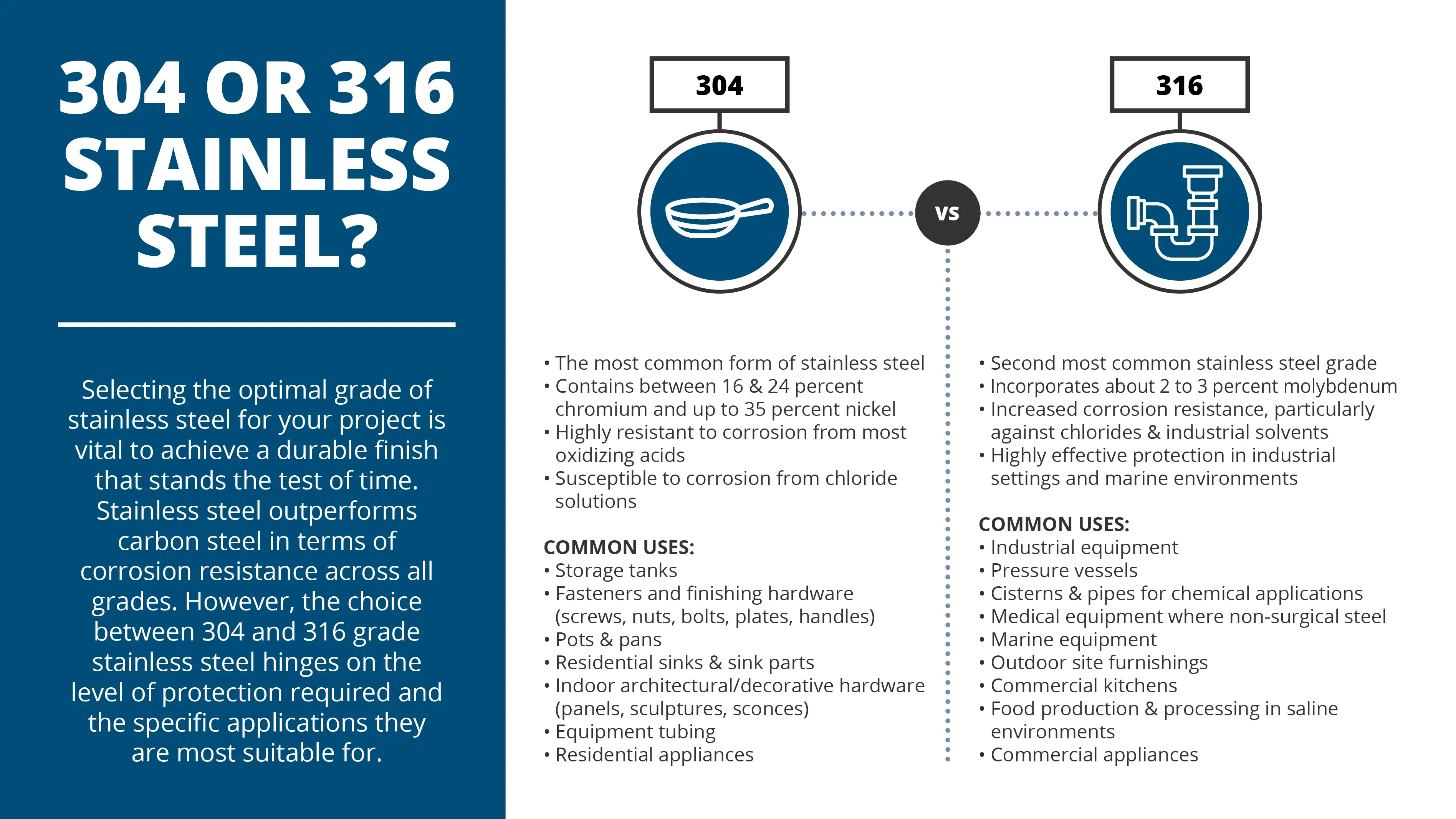
Let's start with the crowd-pleaser, the go-to guy: 304 stainless steel. It’s like the trusty old reliable. Everyone knows it, everyone uses it. It’s the jack-of-all-trades, master of many.
Think about it. Your everyday kitchen sink? Likely 304. Those sleek cutlery sets? Yep, 304. Even some car trim and architectural bits are rocking the 304 look.
It’s affordable, it’s widely available, and it’s tough enough for most of life’s demands. You can spill tomato sauce on it, forget about it for a bit, and it’ll still gleam like new. It’s the stainless steel equivalent of a comfortable pair of jeans – always a good choice.
But then there's the other contender, the one with a bit more flair, a little more… oomph. We're talking about 316 stainless steel. This is where the real magic, and the slightly higher price tag, begins.

What makes 316 so special? It’s a secret ingredient, a little bit of extra help from a friend called molybdenum. Yes, that sounds fancy, but it’s actually quite important.
This molybdenum addition gives 316 a super-powered defense system. It makes it even more resistant to corrosion. Especially in salty environments. Think oceans, beaches, or places where de-icing salts are your arch-nemesis.
So, if your kitchen is right on the coast, and you get a constant salty breeze wafting in, maybe your cookware might thank you for opting for 316. It’s like giving your kitchen utensils a tiny superhero cape.
And it’s not just salty air. 316 also stands up better to certain harsh chemicals. This is why you often find it in more demanding industrial applications. Think chemical plants, marine equipment, and even medical implants. That’s right, your body might have 316 living inside it, silently doing its job.
Now, here’s where my "unpopular opinion" comes in. For the vast majority of us, in our everyday lives, the difference between 304 and 316 is… well, it's a bit like comparing a really good cup of coffee to a slightly fancier, more expensive cup of coffee. Both are great, but one is just… more.

Most homes don't have industrial-grade corrosive chemicals lurking in the cupboards. And unless you're living in a submarine, the amount of salt spray your toaster experiences is probably minimal.
So, why do we get so caught up in the 304 vs. 316 debate? It’s the allure of the premium. It’s the feeling of having the "best," even if we don't strictly need it.
It's like buying the top-of-the-line sports car when you mostly drive to the grocery store. It's nice to know you could go 200 mph, but you probably won't. And your wallet might feel the difference.
My humble, and possibly heretical, stance is this: 304 stainless steel is the unsung hero for everyday life. It’s the workhorse that gets the job done, beautifully and reliably, without demanding your firstborn or a second mortgage.
It’s perfectly adequate for your kitchen, your outdoor grill (unless you're grilling on a pirate ship), and pretty much anything you’d encounter in a typical household. It’s robust. It’s elegant. It’s forgiving.
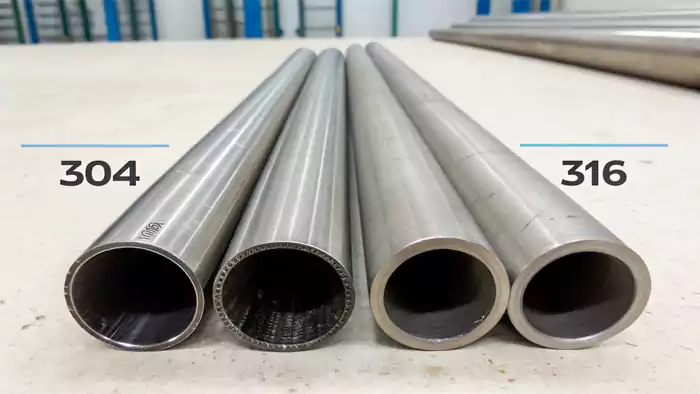
And let's be honest, the price difference can be significant. If you're kitting out a whole kitchen, or buying multiple items, that extra cost for 316 can add up. That’s money you could spend on something else, like, oh, I don't know, more delicious food to put in your excellent 304 cookware?
The arguments for 316 are valid, absolutely. If you work in a high-corrosion environment, or have a very specific need for that extra protection, then 316 is the way to go. No question.
But for the rest of us? We’re probably overthinking it. We’re caught up in the hype of the "better" option, the "premium" choice, without really considering if "good enough" is actually, well, fantastic.
Think of 304 as the wise, experienced friend. They’ve seen it all, they know how to handle most situations, and they’re not showing off. They’re just there, being dependable.
316, on the other hand, is the friend who shows up in a tailored suit, drives a slightly fancier car, and might order the most expensive thing on the menu. They're impressive, but maybe not always necessary for a casual Tuesday night.
So, next time you're shopping for a new stainless steel item, take a moment. Ask yourself, "Do I really need the super-powered, sea-proof, chemical-resistant, molybdenum-infused version of stainless steel?"
For most of us, the answer is likely a resounding "nah." The humble, yet mighty, 304 stainless steel will serve you just fine. It’ll keep your food safe, your appliances looking sharp, and your bank account a little happier.
It’s about finding the sweet spot. The balance between needs and wants. And for the everyday, that sweet spot is often found in the brilliant, reliable embrace of 304 stainless steel.
So go forth, and embrace the 304! It’s not the flashiest, but it’s a true champion in its own right. And sometimes, the unpretentious, dependable option is exactly what we need.
It’s the quiet confidence of stainless steel. It’s the everyday hero. It’s 304.