
Which Is Better Stainless Steel Or Aluminum
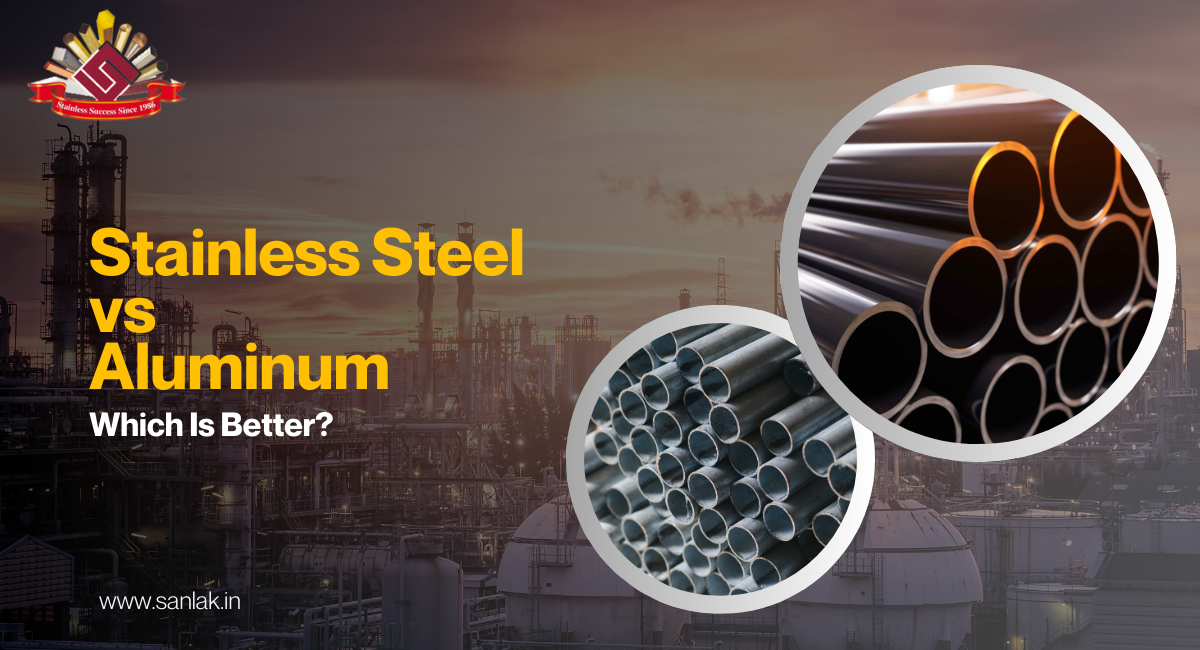
Hey there, fellow humans navigating the wonderful, sometimes baffling, world of home goods! Ever found yourself staring blankly at a rack of cookware or a shiny new travel mug, wondering, "Okay, but what's the deal with stainless steel versus aluminum?" It’s a question as old as… well, as old as we started making stuff out of metal, probably. We’re not talking about rocket science here, just everyday essentials that make our lives smoother, tastier, and a little bit shinier. So, let’s dive into this metal mystery, shall we? Grab your favorite beverage (in whatever vessel you choose, for now!), and let’s unravel the enigma of stainless steel and aluminum.
It’s easy to get lost in the lingo. Both sound undeniably… metallic. But trust me, they’ve got personalities as distinct as your favorite indie band and a chart-topping pop artist. We’re going to break it down, no stuffy jargon, just real talk about what works best for your kitchen, your adventures, and your general well-being. Think of this as your friendly guide to metal maturity, helping you make choices that are as smart as they are stylish.
The Shiny Contenders: A First Look
Let’s start with the heavyweight champion of the kitchen: stainless steel. You see it everywhere. Your pots and pans? Likely stainless steel. That sleek mixer you’ve been eyeing? Probably. It’s the reliable friend who’s always there, looking good and never causing trouble. It’s a blend of iron, chromium, and often nickel, and that chromium is the magic ingredient that gives it its signature rust-resistant, stain-proof charm.
And then there’s aluminum. Think of it as the speedy, lightweight cousin. It’s often found in things like baking sheets, camping gear, and those ever-so-convenient foil containers. Aluminum is known for its excellent heat conductivity, meaning it gets hot quickly and distributes that heat evenly. It’s the athlete of the metal world – fast and efficient. But like any athlete, it has its quirks.
Stainless Steel: The Ever-Reliable Rock Star
So, why is stainless steel so darn popular? Let’s count the ways. First off, it’s a tough cookie. It can handle high heat, abrasive scrubbing (though we’ll get to that later), and general kitchen chaos without flinching. It’s not going to warp easily, and it’s famously resistant to corrosion and rust. This means your pans will look good for years, not just months. Remember Grandma’s old baking sheets that looked like they’d survived a war but still worked? Chances are, they were stainless steel, or at least a good quality alloy.
Durability is its middle name. You can practically throw it down the stairs (please don’t!), and it’ll probably still be in one piece, ready for action. This longevity translates into great value over time. While the initial investment might be a smidge higher than some aluminum options, you’re buying something that will be a staple in your kitchen for decades. It’s the investment piece, the classic trench coat of your kitchen wardrobe.
And let’s talk about its non-reactive nature. This is a biggie. Stainless steel doesn't typically react with acidic foods like tomatoes or lemon juice. This means your marinara sauce won't end up with a metallic tang, and your food will retain its natural flavor. This is why it’s the preferred choice for many professional chefs and serious home cooks alike. It’s a neutral canvas for your culinary creations.

Fun Fact: The term "stainless steel" was first coined in the early 1900s. Imagine a world where your pots could actually rust! The horror!
The Downsides of the Darling
Now, no rock star is without a little drama. Stainless steel can sometimes be a bit of a heat hog. While it holds heat well, it doesn’t always distribute it as evenly as its aluminum counterpart, especially on its own. This is why many high-quality stainless steel pots and pans have a core made of aluminum or copper sandwiched between the stainless steel layers. This "clad" construction gives you the best of both worlds: the durability and non-reactivity of stainless steel, with the superior heat conductivity of aluminum or copper.
Another little hiccup? Stainless steel can sometimes be a bit of a stick-to-it-ive personality. Food can occasionally cling to the surface, especially if you're not using enough oil or fat, or if the pan isn't properly preheated. This is where a little technique comes in – think preheating your pan, adding your oil, and then adding your food. It’s a dance, not a wrestling match.
Aluminum: The Speedy Enthusiast
Aluminum, on the other hand, is all about speed and efficiency. Its excellent heat conductivity means it heats up lightning-fast and spreads that heat like a wildfire across its surface. This is a huge advantage for things like baking sheets, where you want a quick, even bake. Think of those perfectly golden cookies or evenly browned roasted vegetables. Aluminum makes it happen.
![Aluminum vs Stainless Steel Cookware Guide [Pros & Cons]](https://differencesonly.com/wp-content/uploads/aluminum-vs-stainless-steel-cookware.jpg)
It’s also incredibly lightweight. This makes it a dream for things you’re going to be handling a lot, like large baking sheets, camping pots that you’re carrying in your backpack, or those disposable foil trays for picnics. No one wants to lug around heavy gear when they're trying to enjoy the great outdoors, right?
And let’s not forget its affordability. Aluminum cookware and bakeware are generally more budget-friendly than their stainless steel counterparts. This makes it an accessible option for many kitchens, especially if you’re just starting out or need a lot of items without breaking the bank.
Cultural Note: Aluminum foil, a staple in kitchens worldwide, really took off during World War II, proving its versatility in everything from food preservation to military applications.
The Aluminum Achilles' Heel
However, aluminum isn’t without its flaws. Its biggest drawback is its reactivity. Raw, uncoated aluminum can react with acidic foods, potentially leaching small amounts of aluminum into your food. This can impart a metallic taste, and while the health concerns are often debated and linked to much higher intake levels, many people prefer to avoid this potential issue, especially for everyday cooking.
This is why you often see aluminum cookware with coatings. Anodized aluminum is a popular choice. This process hardens the aluminum surface and seals it, making it much more durable, non-reactive, and less likely to scratch. It’s a great middle ground, offering the benefits of aluminum with some added protection.
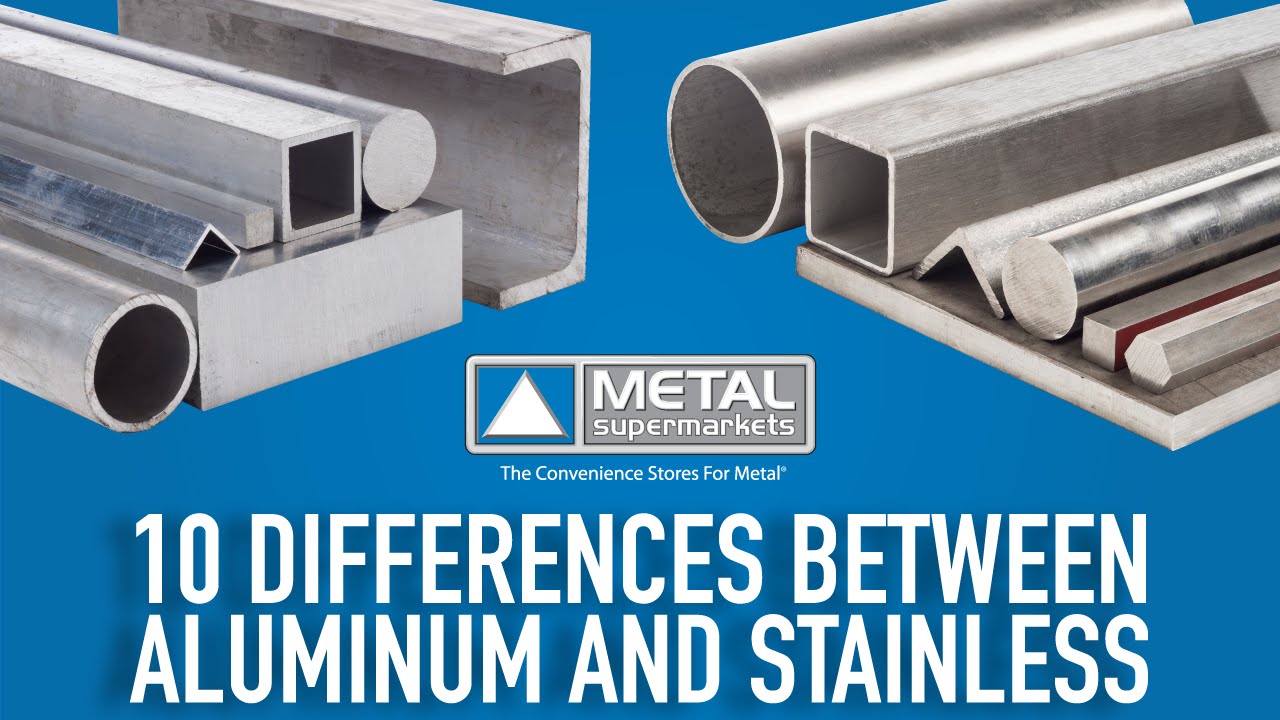
Another point to consider is its tendency to stain and scratch more easily than stainless steel. While it gets hot quickly, it can also cool down quickly, and it’s more prone to showing the marks of a busy kitchen. It might not have the same enduring showroom appeal as stainless steel after years of heavy use.
The Verdict: It Depends on the Job!
So, which is better? The truth is, there’s no single "winner." It’s like asking if a hammer or a screwdriver is better – it depends entirely on what you’re trying to do!
Choose Stainless Steel when:
- You want long-lasting, durable cookware that will be a kitchen heirloom.
- You prioritize non-reactivity for cooking acidic foods without affecting flavor.
- You’re looking for sleek aesthetics that hold up over time.
- You’re willing to invest a little more for superior quality and longevity.
- Think of your everyday pots and pans, your trusty skillet for searing, and your stockpot for big family meals.
Choose Aluminum (especially anodized) when:
- You need fast, even heating, especially for baking and roasting.
- You want lightweight options for ease of handling, like baking sheets or camping gear.
- You’re on a budget and need functional items without a hefty price tag.
- You’re using it for things that don’t involve prolonged contact with highly acidic foods, or you’re opting for a coated/anodized version.
- Think of your baking sheets, muffin tins, disposable foil pans for parties, and lightweight camping cookware.
Pro Tip: Look for cookware with a thick base, regardless of the material. A heavy-bottomed pan, whether stainless steel or aluminum, will heat more evenly and prevent scorching.
Mixing and Matching for a Smarter Kitchen
Honestly, the smartest approach for most of us is to have a mix of both! Your kitchen is a dynamic place, and different tasks call for different tools. Imagine the perfect cooking scenario: you sear your steak in a heavy-bottomed, clad stainless steel skillet for that beautiful crust, then slide your roast potatoes onto a lightweight, responsive aluminum baking sheet to get them perfectly crispy in the oven.
It’s about understanding the strengths of each material and using them to your advantage. Don’t feel like you have to pick a side! Embrace the variety. It’s like having a well-rounded playlist – you need those slow jams and those upbeat anthems to truly enjoy the music.
A Reflection on Our Everyday Metals
It’s funny, isn’t it? We’re surrounded by these seemingly simple materials, and yet they play such a crucial role in our daily lives. From the coffee pot that kickstarts our morning to the pot we use to simmer our evening soup, these metals are silent partners in our routines. They’re the unsung heroes of our kitchens, helping us nourish ourselves and our loved ones.
Understanding the subtle differences between stainless steel and aluminum isn’t about becoming a metallurgy expert. It’s about making informed choices that lead to better cooking, easier cleanup, and ultimately, a more enjoyable experience in the heart of our homes. It’s about appreciating the craft and the materials that make our lives a little bit easier, a little bit tastier, and a lot more delicious. So next time you reach for a pot or a pan, you’ll know a little more about the trusty metal friend you’re holding, and you can give it a silent nod of appreciation. Happy cooking (and choosing)!