
Which Layer Of The Arterial Wall Is Responsible For Vasoconstriction
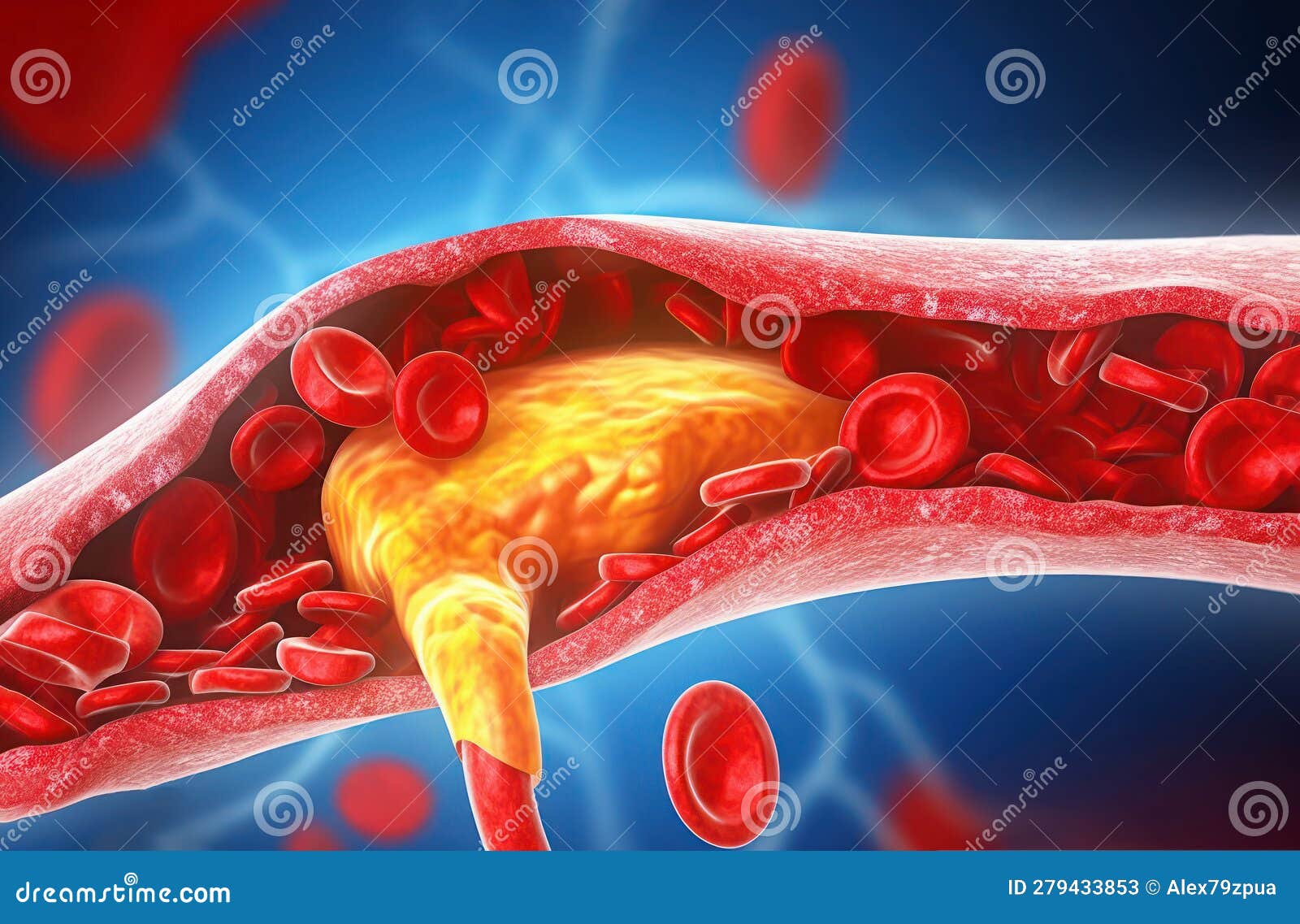
Hey there, lovely humans! Ever have those days where you just feel… constricted? Like the whole world is a little too tight, and you’re just trying to breathe? Well, our bodies have a similar, albeit much more literal, experience happening inside our very own circulatory system. Today, we’re diving deep into the nitty-gritty of our arteries, those vital superhighways carrying life-giving blood, and uncovering a fascinating secret: which layer is the mastermind behind that tightening sensation, the one responsible for vasoconstriction. No need for a biology textbook; we're keeping it chill, accessible, and maybe even a little bit glamorous.
Think of your arteries as fancy, adaptable pipes. They aren't just passive conduits; they're active players in regulating blood flow, blood pressure, and even how our bodies respond to everything from a sudden jolt of adrenaline (hello, surprise party!) to the gentle hum of a relaxed Sunday morning. And at the heart of this dynamic control system lies a specific layer, a true workhorse of the arterial wall. Ready to meet it?
The Secret Agent Within: Meet the Tunica Media
So, we’re peeling back the layers, literally! Imagine an onion, but instead of tears, we’re finding vital physiological functions. Your arteries, like many hollow organs in the body, are structured in distinct layers. We’ve got the tunica intima, the smooth inner lining that keeps things flowing without a hitch. Then there’s the tunica adventitia, the tough outer protective layer. But the real star of our vasoconstriction show? That would be the tunica media.
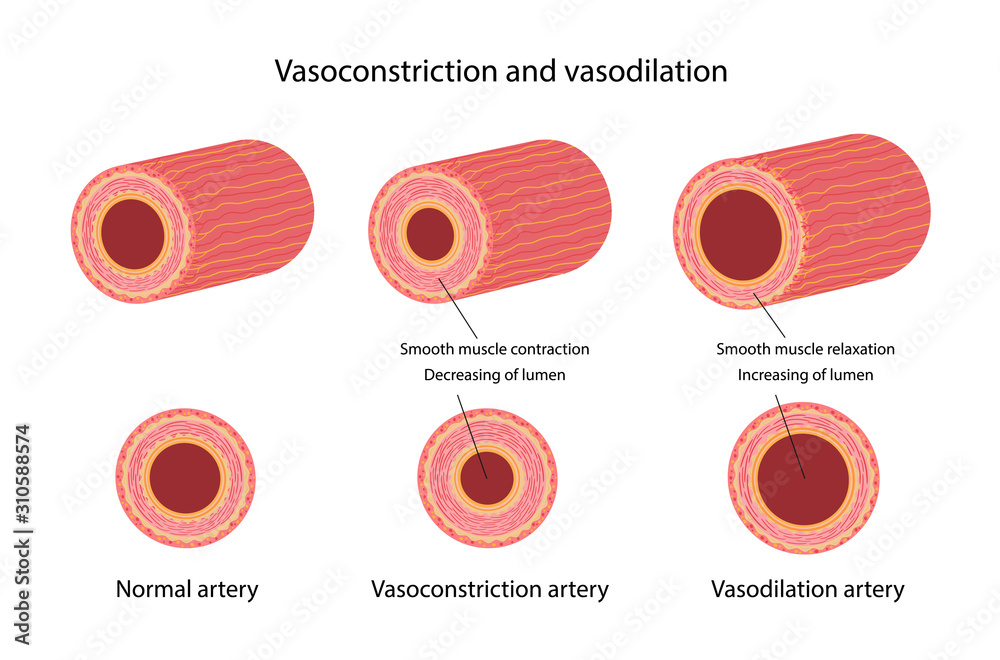
The tunica media is nestled right between the intima and the adventitia, like the delicious filling in a perfectly baked pastry. It’s primarily composed of smooth muscle cells and elastic fibers. And it’s this smooth muscle that holds the key to the vasoconstriction party. When these muscle cells contract, they cause the artery to narrow, or constrict. Pretty neat, right?
Smooth Muscle: The Unsung Hero of Artery Tightening
Let’s talk about smooth muscle. Unlike the skeletal muscles we use to, say, lift a latte or do a spontaneous dance move to that catchy song on the radio, smooth muscle is, well, smooth. It’s involuntary, meaning we don’t consciously tell it what to do. It works tirelessly behind the scenes, regulating everything from digestion to, you guessed it, blood vessel diameter. Think of it as the ultra-efficient, no-fuss administrative staff of your body.
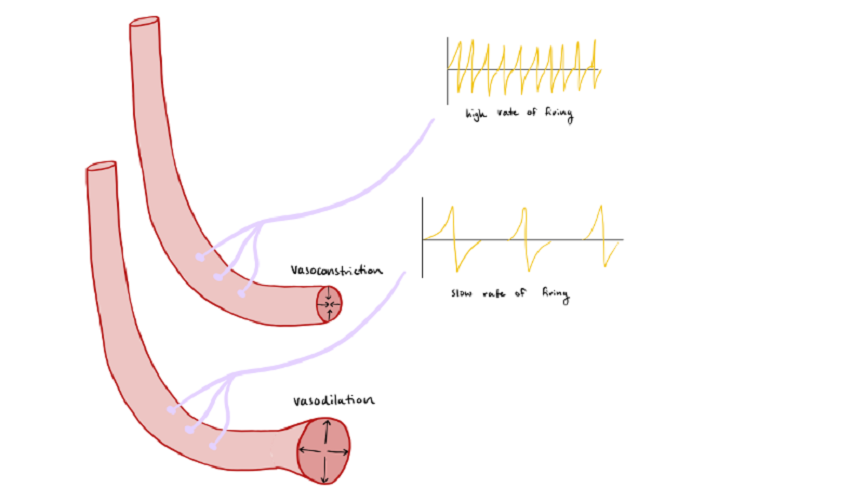
These smooth muscle cells in the tunica media are incredibly responsive. They can relax (leading to vasodilation, the widening of blood vessels) or contract (vasoconstriction). This dynamic interplay is absolutely crucial for our survival. It allows our bodies to fine-tune blood flow to different organs depending on what’s needed. For example, when you’re exercising, your muscles need more oxygen, so the arteries supplying them will dilate, while arteries supplying less critical areas might constrict. It’s like a sophisticated traffic management system for your blood!
You might have heard of neurotransmitters and hormones that play a role in this. Things like norepinephrine (which gives you that adrenaline rush) and angiotensin II are like the signals telling the smooth muscle to get to work. They bind to receptors on the muscle cells, triggering a cascade of events that leads to contraction. It’s a complex dance of chemistry and biology, all happening within your arteries.

Consider the feeling of suddenly being startled. Your heart rate picks up, your palms might get a little sweaty, and you feel that surge of energy. A big part of that feeling is your body releasing norepinephrine, which causes widespread vasoconstriction in many areas. This shunts blood towards your core and vital organs, preparing you for a "fight or flight" response. It’s your body saying, "Okay, something’s up, let’s make sure we’re ready for anything!"
On the flip side, when you’re in a relaxed state, maybe curled up with a good book or enjoying a quiet dinner, your smooth muscles are more likely to be in a relaxed state, allowing for vasodilation. This promotes steady blood flow and helps maintain a healthy blood pressure. It’s the body’s way of saying, "All is well, keep things flowing smoothly."
Why Does Vasoconstriction Even Matter?
Okay, so the tunica media's smooth muscle is the boss of constriction. But why is this important? Beyond the immediate fight-or-flight scenario, vasoconstriction plays a vital role in maintaining our overall health and well-being.
Blood Pressure Regulation: This is a big one. When your arteries constrict, the space for blood to flow through narrows. Imagine trying to push the same amount of water through a narrower hose – the pressure goes up, right? Vasoconstriction is a key mechanism the body uses to regulate and maintain blood pressure within a healthy range. If your blood pressure drops too low, your body can signal for vasoconstriction to help bring it back up. Conversely, prolonged or excessive vasoconstriction can lead to high blood pressure, or hypertension, which is something we definitely want to keep in check.
Thermoregulation: Ever notice how your skin might look paler when you’re cold? That’s vasoconstriction at play! When you’re exposed to cold, your body constricts the blood vessels in your extremities (like your fingers and toes) and near the skin’s surface. This is a clever way to conserve heat by reducing blood flow to the areas where heat can easily escape. It’s your body’s built-in thermostat, keeping your core warm and cozy. Think of it as pulling a biological blanket over your essential organs.
Inflammation Control: While inflammation is a natural and often necessary healing process, it needs to be managed. During an inflammatory response, certain chemicals are released that can cause localized vasoconstriction. This helps to limit the spread of inflammatory substances to surrounding tissues and can also help prevent excessive bleeding if there’s an injury. It’s like putting up a temporary blockade to contain the situation.
Maintaining Blood Flow Distribution: As we touched on earlier, your body is a master of redistribution. When you’re digesting a big meal, more blood needs to go to your digestive system. When you’re exercising, your muscles demand more. Vasoconstriction and vasodilation allow for this constant, dynamic shifting of resources, ensuring that the right parts of your body get the blood (and therefore oxygen and nutrients) they need, when they need them.
It’s a bit like a highly efficient delivery service. When there’s a rush order to the gym, the main roads leading there widen, and perhaps some less critical routes narrow to ensure prompt delivery. Then, when the rush is over, the system rebalances.
A Peek into the Microscopic World: The Magic of Smooth Muscle Cells
Let’s zoom in a little closer. The smooth muscle cells in the tunica media aren’t just passive blobs. They have a unique structure that allows them to contract and relax efficiently. They are spindle-shaped, meaning they’re wider in the middle and taper at the ends. These cells are interconnected, forming sheets or layers within the arterial wall. This arrangement allows them to contract in a coordinated way, influencing the overall diameter of the vessel.
These cells also contain actin and myosin filaments, the same protein players found in skeletal muscle that are responsible for contraction. However, the way they interact is a little different, allowing for slower, more sustained contractions, which is perfect for regulating blood pressure over longer periods.

It’s truly fascinating to think that these microscopic cells are constantly working, without us even knowing, to keep our internal traffic flowing. It’s a testament to the incredible complexity and elegance of the human body. Imagine the sheer number of these cells working in unison across your entire vascular system!
Think of it like a beautifully choreographed dance. Each smooth muscle cell is a dancer, and the signals from hormones and neurotransmitters are the music and cues. They move in perfect rhythm, sometimes contracting, sometimes relaxing, to create the overall flow of the performance – which, in this case, is your blood circulation.
What Affects Our Arterial “Tightening”?
So, what can influence the behavior of our tunica media and its smooth muscle? A whole bunch of things, both internal and external:
- Lifestyle Choices: This is where you have the most power! A diet rich in fruits, vegetables, and whole grains, regular exercise, and managing stress can all promote healthy blood vessel function. Conversely, a diet high in saturated fats, salt, and sugar, smoking, and chronic stress can negatively impact your arteries, leading to conditions like atherosclerosis (hardening of the arteries) which can impair the tunica media’s ability to function optimally.
- Hydration: Staying well-hydrated is crucial for blood volume and overall circulatory health. Dehydration can lead to changes in blood pressure that trigger compensatory vasoconstriction.
- Temperature: As we discussed with thermoregulation, external temperature directly influences vasoconstriction.
- Medications: Certain medications, like decongestants, can cause vasoconstriction. Others, like blood pressure medications, are designed to influence vasodilation or control the signals that cause vasoconstriction.
- Underlying Health Conditions: Conditions like diabetes, kidney disease, and certain autoimmune disorders can affect arterial health and the function of the tunica media.
It's like the weather report for your insides. Sometimes it's calm and clear, and sometimes there's a bit of a storm brewing. Paying attention to these factors can make a big difference in how your arteries are doing their job.
Consider the simple act of sipping a warm cup of tea on a cold day. The warmth from the tea can signal your body to relax, potentially leading to some gentle vasodilation in your extremities, helping to warm you up. Conversely, the stress of a looming deadline might trigger a surge of norepinephrine, causing widespread vasoconstriction to make you feel alert and ready to tackle the challenge.
A Fun Little Fact to Ponder
Did you know that the elastic fibers within the tunica media also play a role? They act like tiny rubber bands, helping the artery to stretch when blood is pumped into it during systole (when the heart contracts) and recoil during diastole (when the heart relaxes). This elasticity, combined with the contractile power of the smooth muscle, is what allows arteries to withstand high pressures and maintain a steady blood flow. It’s a beautiful partnership between the pliable and the contractile.
Think of it as a perfectly tuned musical instrument. The elastic fibers provide the resonance, allowing the sound to linger and flow, while the muscles provide the precise plucking or bowing to create the melody and rhythm. Together, they create a harmonious flow of life.
Connecting It All: From Arteries to Your Everyday Life
So, what’s the takeaway from all this talk about arterial layers and smooth muscle? It’s a reminder that our bodies are incredibly complex and interconnected systems, constantly working to keep us alive and well, often without us even noticing. The tunica media, with its powerhouse smooth muscle, is a silent guardian, diligently regulating blood flow and pressure.
Next time you feel a rush of adrenaline, or perhaps the pleasant warmth of a hot shower, take a moment to appreciate the incredible work happening within your arteries. It’s a testament to the brilliance of nature and the resilience of our own bodies. Remember, the choices we make – what we eat, how we move, how we manage stress – have a direct impact on the health and function of these vital internal systems.
Living a lifestyle that supports healthy circulation isn't just about avoiding disease; it’s about embracing vitality, energy, and the freedom to move through life with ease. It's about giving your tunica media the best possible environment to do its incredible job. So, go forth, stay hydrated, move your body, and remember that even the smallest, most unseen parts of you are working miracles every single second.