
Which Metal Has Highest Thermal Conductivity
Ever stared at a shiny metal spoon and wondered why one feels way hotter than another after sitting on the counter? Or maybe you’ve been cooking, and your trusty frying pan gets hot faster than that weird flimsy baking sheet you bought on a whim. Well, my friends, this isn't some mystical kitchen sorcery; it's all about thermal conductivity. Think of it as a metal's natural talent for transferring heat, its VIP pass to the "hot stuff" club.
Basically, if a metal has high thermal conductivity, it's like it’s got a souped-up, turbo-charged delivery service for heat. It grabs onto heat energy and zips it around faster than a TikTok trend. Conversely, metals with low conductivity are more like that one friend who's always late, taking their sweet time to get the heat from point A to point B. Today, we're going on a casual little stroll through the world of metals and figuring out which one is the undisputed champ at this whole heat-slinging business.
It’s not just about cooking, though that’s a biggie. Think about your laptop. That little metal heat sink inside? It’s got a crucial job: whisking away the heat your processor is working up, so your cat videos don't get interrupted by a system meltdown. Or what about your car’s radiator? That’s a whole symphony of metal working together to keep your engine from turning into a giant, smoking paperweight. So, yeah, this thermal conductivity thing is actually pretty important, even if you’ve never given it a second thought.
The Usual Suspects: Metals We See Every Day
Let’s start with the heavy hitters we encounter daily. We’ve got good ol’ aluminum. You know, the stuff your soda cans are made of, or those lightweight pots and pans? Aluminum is pretty decent at its job. It’s not the absolute fastest, but it’s definitely a team player. Imagine it as the reliable middle manager of heat transfer – gets the job done without any fuss.
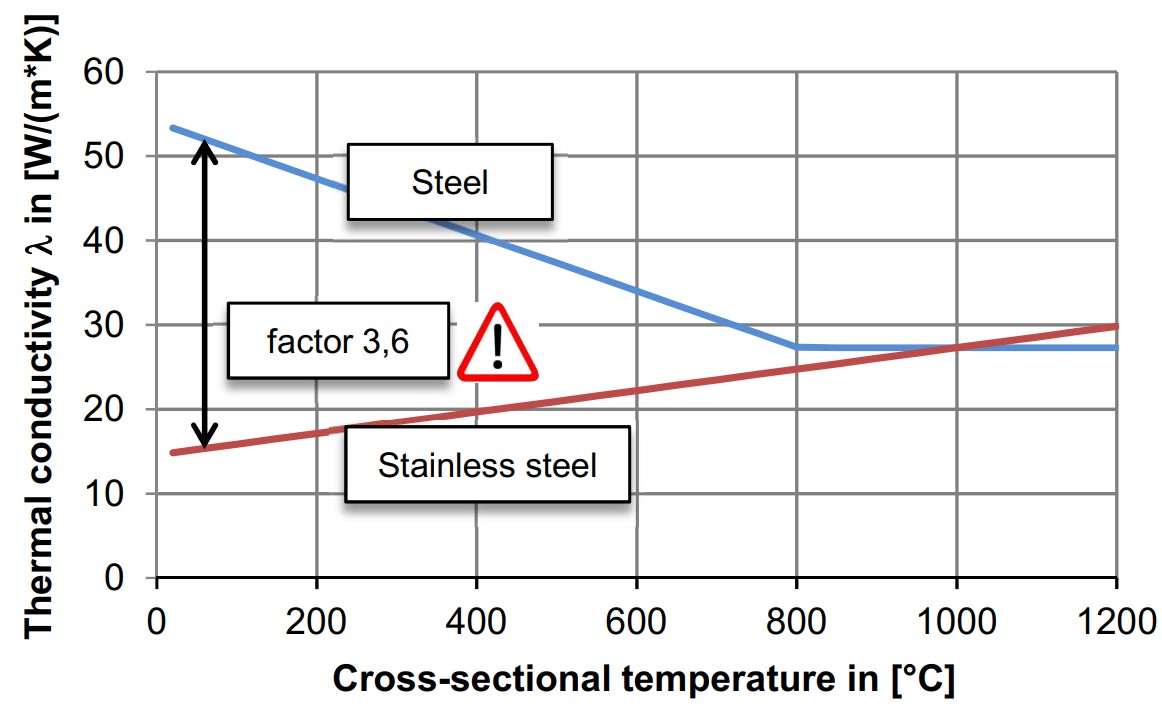
Then there’s iron. This is the backbone of a lot of things, including your cast-iron skillet. Now, cast iron is a whole different beast when it comes to heat. It holds onto heat like a grumpy badger holds onto its territory. It doesn't necessarily transfer it lightning-fast through itself, but once it’s got that heat, boy, does it keep it warm for you. It’s like the slow-cooker of the metal world. Great for even cooking, but don't expect it to cool down in a hurry.
And what about the king of kitchenware, stainless steel? This is the tricky one. Stainless steel is actually an alloy, a mix of different metals (mostly iron, chromium, and nickel). Because it's a blend, its thermal conductivity can vary quite a bit depending on the exact recipe. Some stainless steels are okay, while others are, well, a bit sluggish. That’s why some cheap stainless steel pots feel like they’re playing heat-transfer roulette – one minute it's cool, the next it's scorching hot in one spot.
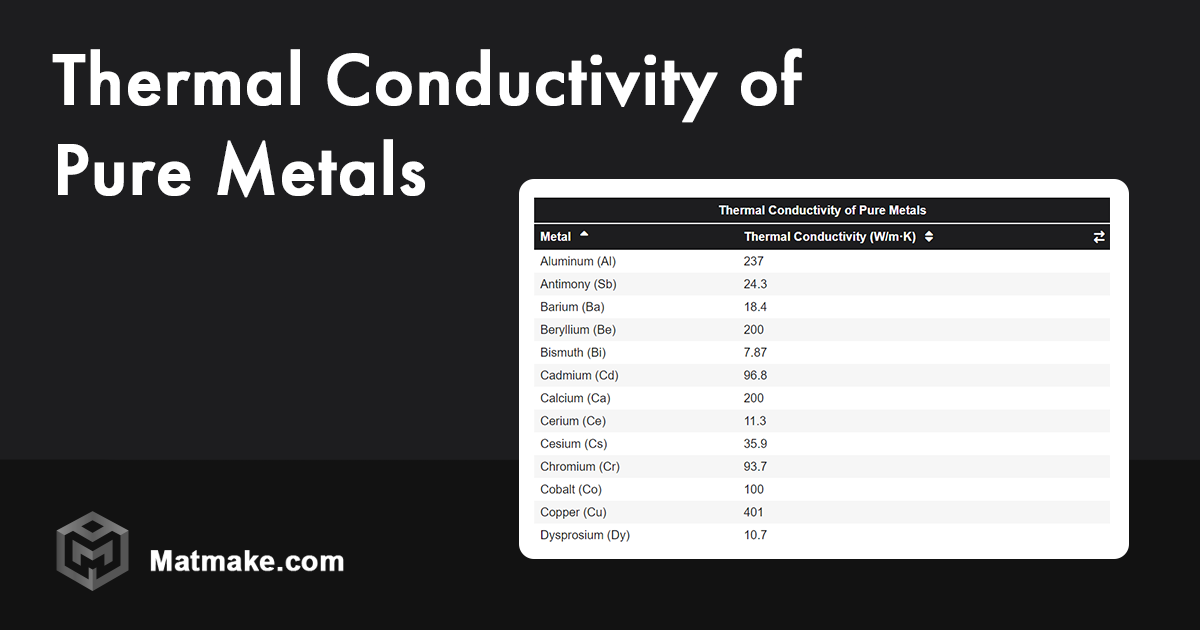
You’ve probably also encountered copper. Oh, copper! This metal is a bit of a show-off. It’s shiny, it’s reddish, and it’s really good at moving heat. Think of those fancy stovetop pots that seem to heat up in an instant. That’s often copper showing off its skills. It’s like the Usain Bolt of thermal conductivity, leaving a trail of happy, evenly heated food in its wake. Seriously, if you’ve ever cooked with good copper cookware, you know what I’m talking about. It’s a game-changer.
Drumroll Please… The Undisputed Champion!
So, we’ve had aluminum doing its thing, iron being its steady self, stainless steel being… complicated, and copper showing off. But who takes the crown? Who is the undisputed, no-questions-asked, heavyweight champion of thermal conductivity? Drumroll, please… it’s silver!
Yep, that shiny stuff you might have in your jewelry or fancy cutlery? Pure, unadulterated silver is the absolute king. It’s so good at transferring heat that it makes copper look like it’s wading through molasses. Imagine silver as a teleportation device for heat. It’s like, “Heat, you want to be over there? Poof, you’re there!” It’s ridiculously efficient.
Now, before you start melting down your grandma’s earrings to build a super-efficient frying pan, there’s a catch. Silver is, shall we say, a tad on the pricey side. Like, "need-to-take-out-a-second-mortgage" pricey. So, while it’s technically the best, it’s not exactly the most practical choice for your average kitchen or your daily electronics. You won't find your toaster made of pure silver, unless you're living in a Bond villain's lair, perhaps.
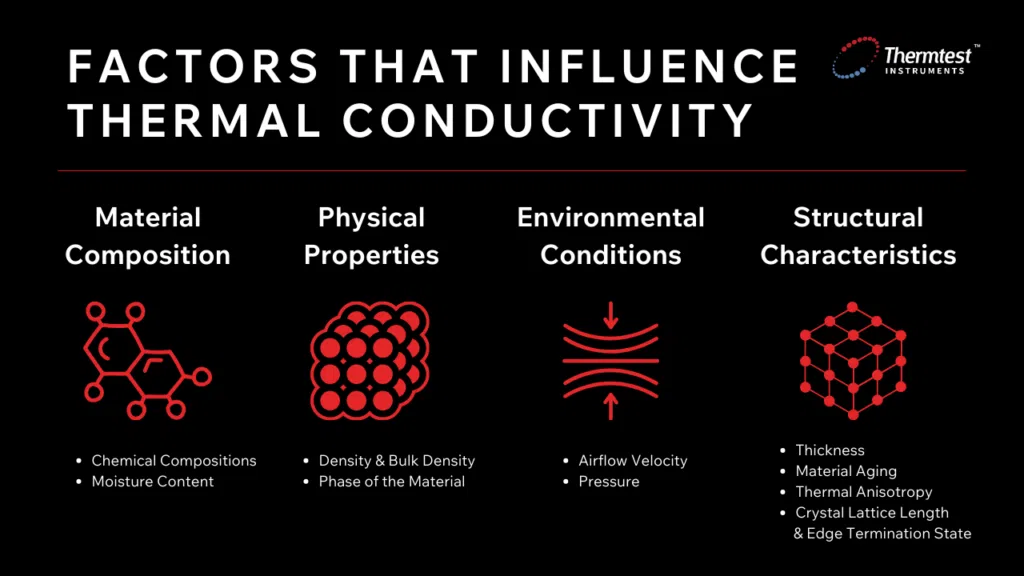
But why is silver so good? It all comes down to its atomic structure. In metals, heat is primarily transferred by two things: vibrations of the atoms themselves and the movement of free electrons. Silver has a boatload of these super-mobile free electrons, and they're like little heat-carrying taxis, zipping around the metal at incredible speeds. Plus, its atomic lattice is really good at passing those vibrations along smoothly. It’s a perfect storm of heat-transferring goodness.
Why Does This Even Matter? (Beyond the Kitchen)
Okay, so silver is the champ, but you’re probably still thinking, “Why should I care about this super-expensive metal?” Well, remember that laptop I mentioned earlier? Those tiny heat sinks and pipes inside are often made of metals with very high thermal conductivity. They need to be able to grab that heat from the processor and shuttle it away quickly before things get uncomfortably warm. And when I say uncomfortably warm, I mean the kind of warm that makes your laptop feel like a small, angry brick.
Think about high-performance computers, gaming rigs, or even specialized scientific equipment. They rely on materials that can handle extreme temperatures and efficiently dissipate heat. Sometimes, even copper isn’t quite fast enough, and designers will look for even more exotic solutions, but the principle remains: faster heat transfer means better performance and longevity.
And then there’s the world of engineering and manufacturing. When you’re dealing with high-powered engines, turbines, or any machinery that generates a lot of heat, you need materials that can cope. If a metal can’t get rid of heat efficiently, it can lead to stress, warping, and eventually, failure. Imagine a car engine that can't cool itself – it's a recipe for disaster, and not the fun kind.
Even in everyday objects, like a really good pair of walking shoes, you might find materials chosen for their ability to manage heat and moisture. While not strictly metals, the concept of efficiently moving something (in this case, sweat and heat) is similar. The goal is comfort and performance.
So, Who’s the Everyday Hero?
Given that silver is out of reach for most of us, we need to talk about the practical heroes. Who is the workhorse that gives us the best bang for our buck when it comes to heat transfer in our daily lives?
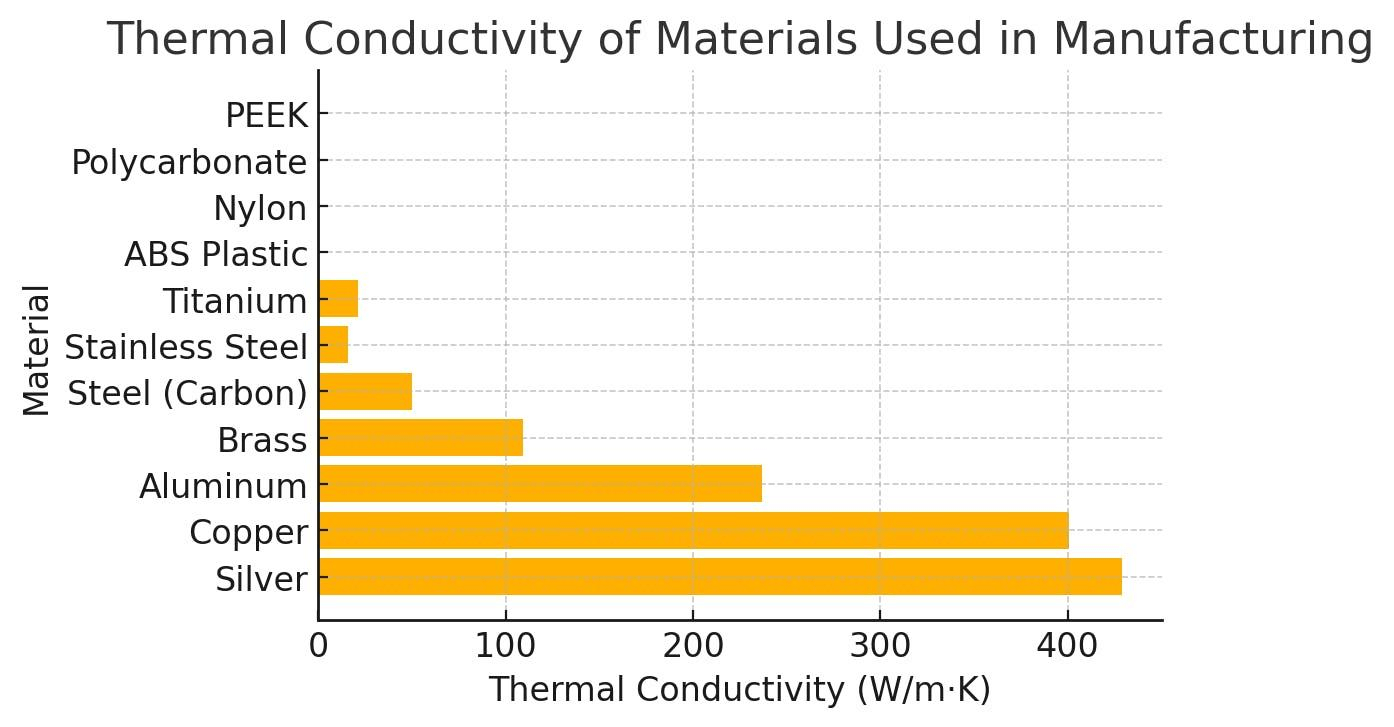
For many applications, especially cookware, copper is the king of practicality. While not as good as silver, it's significantly better than most other common metals. That’s why you see it in high-quality pots and pans, often layered with stainless steel. The copper provides the fast heating and even distribution, while the stainless steel gives you durability and a non-reactive cooking surface. It’s the perfect partnership, like a dynamic duo of kitchen awesomeness.
Aluminum also deserves a shout-out. It's lightweight, relatively cheap, and its thermal conductivity is good enough for a huge range of applications. From your soda can (yes, even that!) to many baking sheets and cookware, aluminum is doing its part to make our lives easier. It might not be the fastest, but it’s a solid performer that’s accessible to everyone.
What about those things that aren’t supposed to conduct heat well? That’s a whole other story involving insulators, but that’s for another day. For now, we’re focused on the heat-slingers.
So, next time you’re marveling at how quickly your coffee mug gets hot (ouch!), or how your ice cream melts on a metal spoon, remember the unsung heroes of thermal conductivity. They’re the silent workers, the heat-shuttlers, the essential components that make our modern world function. And who knows, maybe one day we’ll all have silver-plated toasters. Until then, we’ll just have to settle for the excellent performance of copper and aluminum. Cheers to the metals that keep us warm (and sometimes, a little too warm!).