
Which Metal Is The Best Electrical Conductor
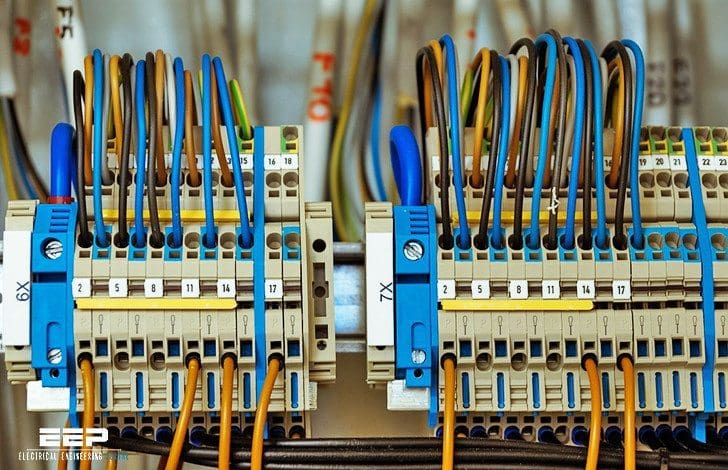
So, I was fumbling around in my garage the other day, trying to fix a wonky lamp that my cat, Bartholomew, had taken a particular liking to, in that destructive, 'I-think-this-wire-is-a-prey-animal' kind of way. Anyway, I needed to strip some wires and, naturally, the only wire strippers I could find were buried under a mountain of old paint cans and things I swear I’ll get to someday. As I finally unearthed them, I noticed a few stray bits of wire lying around. One was a dull grey, slightly tarnished. Another was a shiny, almost silvery piece. And then there was this reddish-brown one that felt surprisingly… smooth? It got me thinking: why are these wires made of different stuff? And more importantly, if I were building something super-duper electrical, which metal would be the king of conducting electricity?
It’s a question that sounds a bit like trivia night fodder, right? Like, "And for 500 points, what metal conducts electricity best?" But honestly, it’s actually pretty fascinating and has a real impact on everything from your phone charger to the massive power lines that stretch across the country. It's all about how easily those tiny, zippy little things called electrons can move through a material. And some metals are just way better at letting them zoom than others.
Let’s dive into the electrifying world of electrical conductors, shall we? It’s not quite as sparkly as a disco ball, but it’s way more important for keeping our lights on.
The Contenders: A Metallic Lineup
When we talk about electrical conductivity, we're essentially measuring how little resistance a material puts up against the flow of electric current. Think of it like a waterslide. Some waterslides are super smooth and fast, letting you whoosh down without a hitch. Others are a bit bumpy, sticky, or have weird sections that slow you down. Metals are our smooth, fast waterslides for electrons. The smoother and faster the slide, the better the conductor.
There are a bunch of metals that are pretty good at this gig. We see them used all over the place. You’ve got your common ones, and then you have the real MVPs. It’s like a lineup of athletes; some are good, some are great, and a few are just legendary.
Copper: The Workhorse
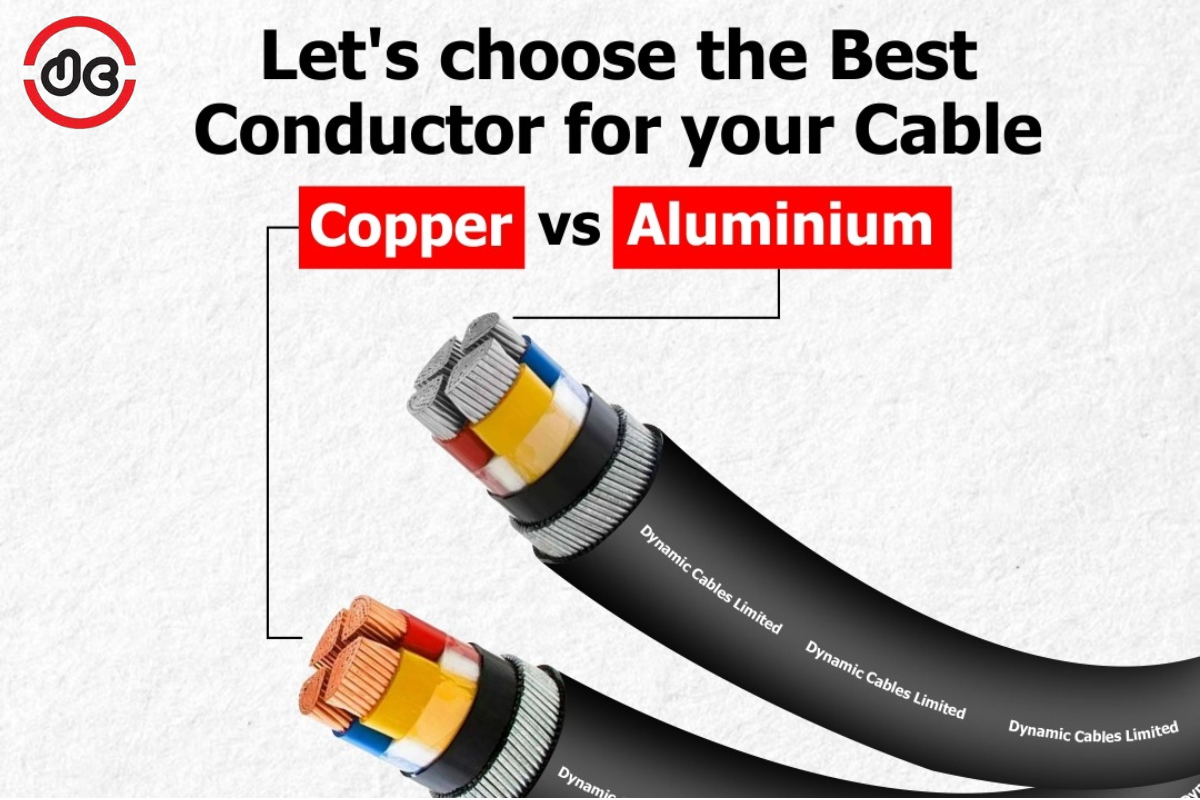
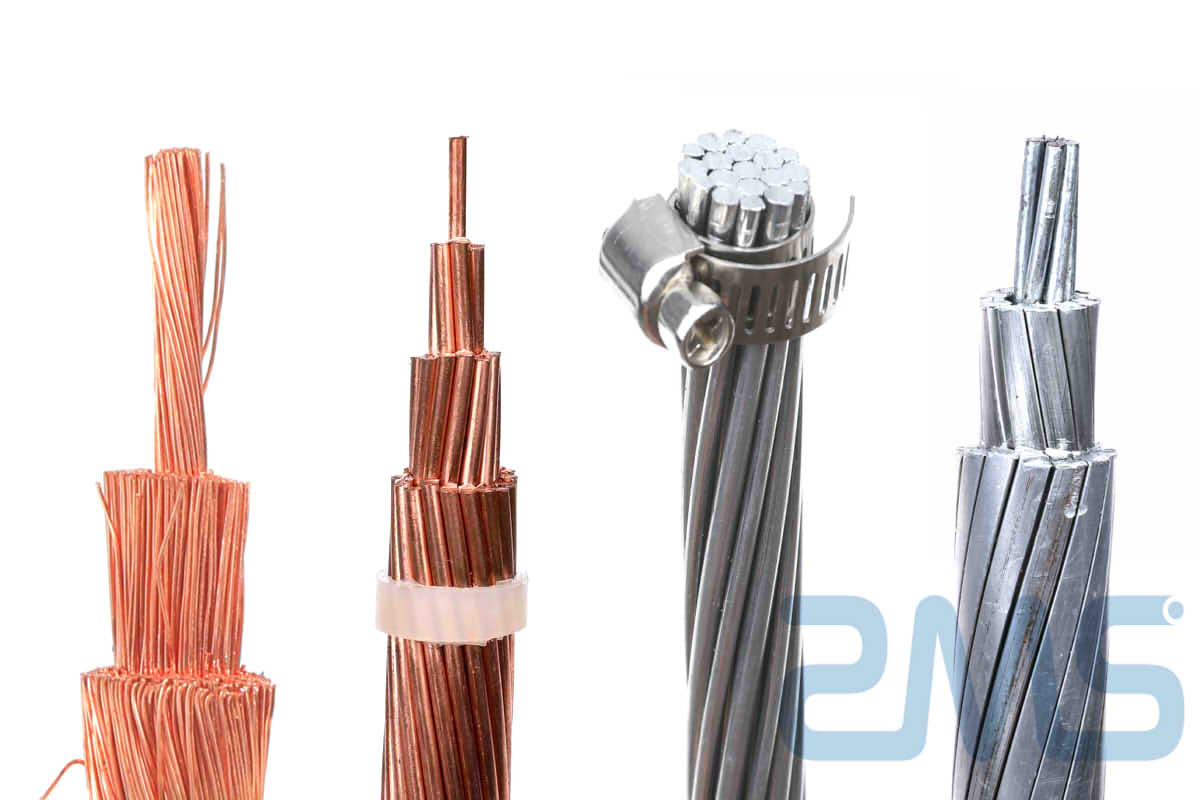
Ah, copper. If you’ve ever opened up an appliance, looked inside a wall socket, or even just peered at the charging cable for your laptop, chances are you’ve seen copper. It’s the undisputed workhorse of the electrical world. Why? Well, it’s a fantastic conductor, second only to a select few. But here’s the kicker: it offers this brilliant conductivity at a price that doesn't make you faint. It's relatively abundant, which means it's not astronomically expensive.
Copper’s electron structure is just right. Its outer electrons are loosely held, making them easy to dislodge and send on their merry way when an electrical voltage is applied. Think of it as having a whole bunch of enthusiastic volunteers ready to help move things along. Plus, it’s quite malleable, meaning you can draw it into thin wires without it snapping. Imagine trying to make wire out of something brittle! Not a fun time for electricians, I bet.

We use copper for pretty much everything: house wiring, power cords, motors, generators, transformers… you name it. It’s the reliable, no-nonsense guy who gets the job done, day in and day out. It’s the steady Eddie of conductors. You can’t go wrong with copper, and that’s why it’s so darn popular. It’s like that friend who’s always on time and always brings snacks – dependable!
Aluminum: The Lighter, Cheaper Option
Now, aluminum. You’ve seen it in foil, soda cans, and even some window frames. It’s a lot lighter than copper, which can be a big deal when you’re dealing with massive amounts of material, like in overhead power lines. And, importantly for our wallets, it’s generally cheaper than copper. So, why isn’t everything made of aluminum then? Well, while it’s a good conductor, it’s not as good as copper. It has higher electrical resistance.
Imagine that waterslide again. Aluminum is a bit like copper, but with a few more strategically placed bumps. Electrons have to work a little harder to get through. This means that for the same amount of electrical current, an aluminum wire needs to be thicker than a copper wire to have the same conductivity. And that can be a pain. Also, aluminum can be a bit more prone to oxidation, which can create an insulating layer and increase resistance over time. This was a big issue back in the day with some residential wiring that used aluminum, leading to some… shall we say, sparky problems. Engineers learned a lot from that, thankfully, and there are now specific alloys and techniques to make aluminum work better for certain applications, especially for those big, long-distance power transmission lines where weight is a huge factor.
So, aluminum is like the budget-friendly cousin. Great for certain jobs, especially when you need to save weight and money, but it’s not always the first choice for everything. You have to be a bit more careful with it.
Gold: The Shiny, but Impractical Show-Off
Okay, now let's talk about gold. The shiny, precious metal. You see it in jewelry, and it's a staple in high-end electronics. Why gold? Because it’s incredibly resistant to corrosion and tarnishing. This is a HUGE advantage in sensitive electronic components where even a tiny bit of oxidation can disrupt a signal. Think of the minuscule connections inside your phone or computer. You want those to be pure and stable for a long, long time. Gold provides that reliability.

And, as a conductor? It's actually very good! It’s slightly better than copper in terms of pure conductivity. Electrons just love to flow through gold. However, here’s the ironic part: gold is incredibly expensive. Like, ‘sell-your-kidney’ expensive. So, you’ll only find it used in tiny amounts where its specific properties are absolutely critical. We’re talking about connector pins, contacts, and that sort of thing. You’re never going to see gold-plated power cables running from your wall socket to your TV. Can you imagine the price tag on that? Plus, it’s not as strong as copper, so it’s not ideal for making long, thin wires.
Gold is the flashy celebrity of the conductor world. Amazing talent, but ridiculously high maintenance and way too expensive for everyday use. It’s for the VIPs of the electronic circuit board, the ones who need the absolute best and who can afford it!
Silver: The Unbeatable (Almost)
And now, the moment of truth. The metal that, in a pure, unadulterated form, is the king of electrical conductivity. Drumroll, please… it’s silver!
Yep, silver. That shiny stuff you might have in your cutlery or a favorite ring. Pure silver has the lowest electrical resistivity of all metals. Electrons just dance through it. It’s like the ultimate, perfectly crafted waterslide with no bumps, no friction, and a constant, powerful flow of water. It’s ridiculously good at letting electricity pass through.
So, why isn’t every wire in your house made of silver? You guessed it: cost. Silver is significantly more expensive than copper. While it’s not as wildly out of reach as gold, it’s still pricey enough that using it for general electrical wiring would make everything prohibitively expensive. We're talking about needing a lot of it for things like power grids and home wiring. Imagine the bill!
However, silver does get used in specialized applications where its supreme conductivity is absolutely essential and the cost can be justified. You might find it in high-performance electrical contacts, certain types of specialized wiring for sensitive equipment, and sometimes as a plating on copper contacts to further improve conductivity and reduce resistance. It’s the secret weapon, the superhero who only comes out for the toughest missions because their power comes at a price.
Think of silver as the rarest, most powerful athlete. They’re unbeatable on the track, but they only compete in the most prestigious events because their training and upkeep are just too demanding for everyday races.
So, Who's the Real Champion?
Alright, let's put it all together. If we're talking about pure, unadulterated conductivity, then silver reigns supreme. It's the undisputed champion. No other common metal can touch it.
BUT, and this is a huge "but," in the real world, we have to consider more than just how easily electrons flow. We have to think about:
- Cost: Can we afford to use it for everything?
- Availability: Is there enough of it to go around?
- Durability and Strength: Can it be drawn into wires and withstand everyday use?
- Corrosion Resistance: Will it last and maintain its conductivity over time?
When you weigh all these factors, copper emerges as the practical winner. It offers an excellent balance of conductivity, cost-effectiveness, durability, and availability. It’s the metal that makes our modern electrical world possible without bankrupting us or requiring us to mine the entire planet.
Aluminum is a solid contender for specific, large-scale applications where its weight and cost advantages are paramount, but it generally sits a notch below copper in terms of overall performance for most everyday uses. Gold and silver are the specialists – the expensive luxury items for when only the absolute best (or most corrosion-resistant) will do.
It's a bit like asking, "What's the best car?" Is it the fastest supercar (silver), the most luxurious limousine (gold), the reliable family SUV (copper), or the fuel-efficient commuter car (aluminum)? They're all "best" for different purposes, but for sheer, everyday usefulness and bang for your buck, copper is usually the one driving the bus.
So, next time you're looking at a wire, or even just plugging in your phone, give a little nod to the metal that's making it all happen. It’s probably copper, the unsung hero of our electrical lives. And while silver might be the purest conductor, copper is the one that truly conducts the everyday magic.
And that, my friends, is the electrifying truth about which metal is the best electrical conductor! Who knew wires could be so… interesting? Now, if you’ll excuse me, Bartholomew is eyeing my lamp cord again. Wish me luck!