
Which Metals Are Magnetic And Which Are Not

Ever found yourself casually sticking a note to your fridge, only to have it slide right off? Or perhaps you’ve watched a magician levitate a coin with seemingly invisible strings? These little moments, often taken for granted, are all part of the fascinating world of magnetism, and the unsung heroes (and villains!) of this story are metals.
When we think of magnets, our minds often go to those satisfyingly clacky fridge magnets, or the powerful, almost intimidating magnets you might find in a junkyard, effortlessly lifting cars. These are the rockstars of the magnetic world, the ones that get all the attention. But what makes them so special? It turns out, it's all about the company they keep – the other elements that make up these metals.
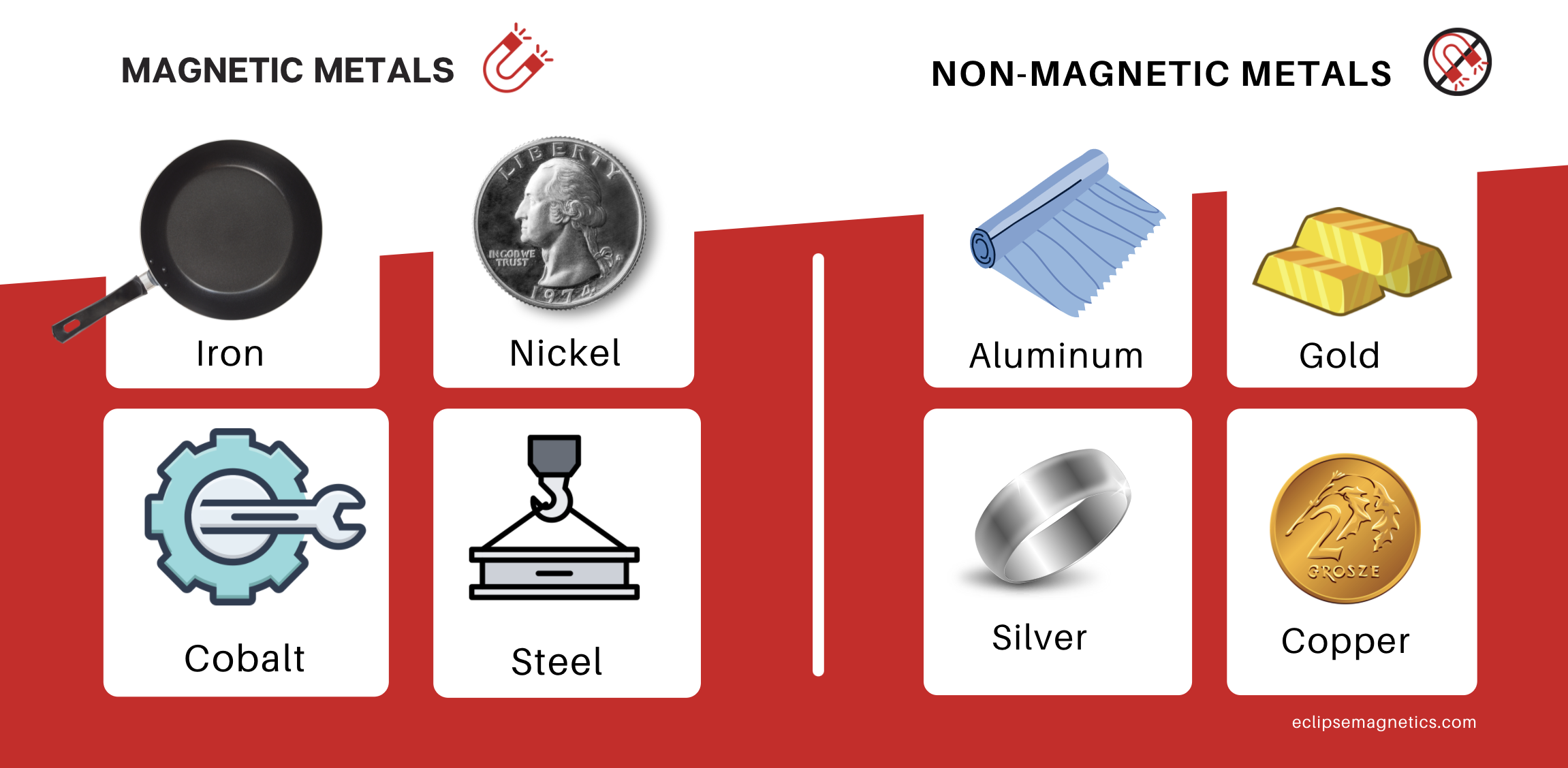
The undisputed champions, the undisputed kings and queens of the magnetic realm, are the aptly named ferromagnetic metals. These are the ones that practically leap at a magnet, clinging on with a tenacity that can be both charming and, if you're trying to pry something open, a little bit frustrating. At the top of this exclusive club, you'll find iron. Yep, that sturdy metal that builds bridges and makes your cast iron pan so beloved is also a magnet’s best friend. Imagine iron as the super-popular kid in school, everyone wants to be near it.
Then there’s nickel. Nickel might seem a bit more reserved, not as overtly enthusiastic as iron, but it's definitely a player in the magnetic game. Think of nickel as the cool, slightly aloof friend who still shows up to all the parties. And let's not forget cobalt. Cobalt is the energetic one, always ready for an adventure. These three – iron, nickel, and cobalt – are the core members, the founding fathers of ferromagnetism. They have this special something in their atomic structure that makes them irresistibly attractive to magnets. It’s like they have tiny internal compasses that all point in the same direction when a magnetic field comes near, making them super magnetic themselves.
But here’s where it gets interesting, and a little bit like a family reunion gone wild. While iron, nickel, and cobalt are the main event, they often play well with others. When you mix these magnetic metals with other elements, you can create alloys that are still wonderfully magnetic. For instance, steel, which is mostly iron, is also magnetic. This is why that rusty old nail you found in the garden might just stick to your magnet. And some fancy modern magnets, like those used in hard drives and electric motors, are made from complex alloys containing neodymium. Neodymium magnets are ridiculously powerful, so much so that you have to be careful when handling them – they can pinch! It’s like they’ve had too much coffee and are buzzing with magnetic energy.
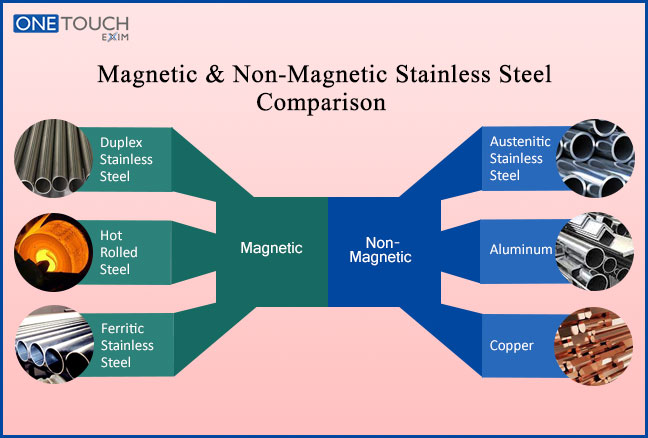
Now, let's talk about the metals that are, well, a little less enthusiastic about magnets. These are the vast majority of metals out there. Think about copper, shiny and conductive, used in your electrical wires and that beautiful penny. Copper is completely indifferent to magnets. You can wave a powerful magnet at a copper wire all day long, and it won't budge. It’s like the quiet observer at the party, perfectly content to do its own thing.
Then there’s aluminum. That lightweight, silvery metal that makes up your soda cans and bike frames? Also not magnetic. It’s polite enough, but doesn't feel the pull of a magnet. Imagine aluminum as the effortlessly cool one who doesn't need to try too hard to get attention.

What about precious metals like gold and silver? Nope, not magnetic. They are happy in their own shiny world, unbothered by the magnetic forces that move iron and its friends. Gold is like the dignified elder, silver the artistic one, both content in their own spheres.
Even some metals that sound tough, like titanium, are not magnetic. You might think titanium would be a bit more exciting, but in the world of magnets, it’s a bit of a wallflower.
So, why the difference? It all boils down to the way electrons behave inside the metal atoms. In ferromagnetic metals, a bunch of electrons decide to align themselves perfectly, creating a strong magnetic field. In other metals, the electrons are a bit more chaotic, canceling each other out. It’s like some metals have a perfectly coordinated dance troupe, while others have a spontaneous improv session.
It’s this simple difference that makes some metals our magnetic companions, useful for everything from keeping our artwork on display to powering our technology, while others are happy to just be their beautiful, unmagnetic selves. Next time you pick up a spoon or admire a piece of jewelry, take a moment to appreciate its unique relationship (or lack thereof!) with the humble magnet. It’s a small, everyday wonder that connects us to the fundamental forces of the universe.