
Which Scientist Developed The Heliocentric Model For The Solar System

Ever looked up at the night sky and wondered what’s really going on out there? It’s a question that has captivated humans for millennia, and understanding the layout of our solar system is a fantastic starting point for appreciating the cosmos. It’s not just about memorizing planet names; it’s about grasping a fundamental shift in how we see ourselves in the universe. This topic is popular because it connects us to a grand, ongoing story of discovery!
For beginners, learning about the heliocentric model is like unlocking a secret code. It helps demystify what you see in the sky. You’ll start to understand why planets appear to move the way they do and grasp the sheer scale of our solar system. For families, it’s a wonderful opportunity to spark curiosity in children. Imagine stargazing together and explaining that the Sun, not the Earth, is at the center! This can lead to countless questions and a shared love for science. Hobbyists, especially those into astronomy or even just casual stargazing, will find that understanding the heliocentric model provides crucial context for their observations. It enhances the experience and deepens your appreciation for celestial mechanics.
So, who was the brilliant mind behind this revolutionary idea? The scientist most famously credited with developing the heliocentric model for our solar system is Nicolaus Copernicus. Before Copernicus, the prevailing view was the geocentric model, which placed the Earth at the center of everything. Copernicus, a Polish astronomer and mathematician, proposed a model where the Sun (Helios) was at the center, and the planets, including Earth, orbited around it. This was a radical departure from centuries of established thought!
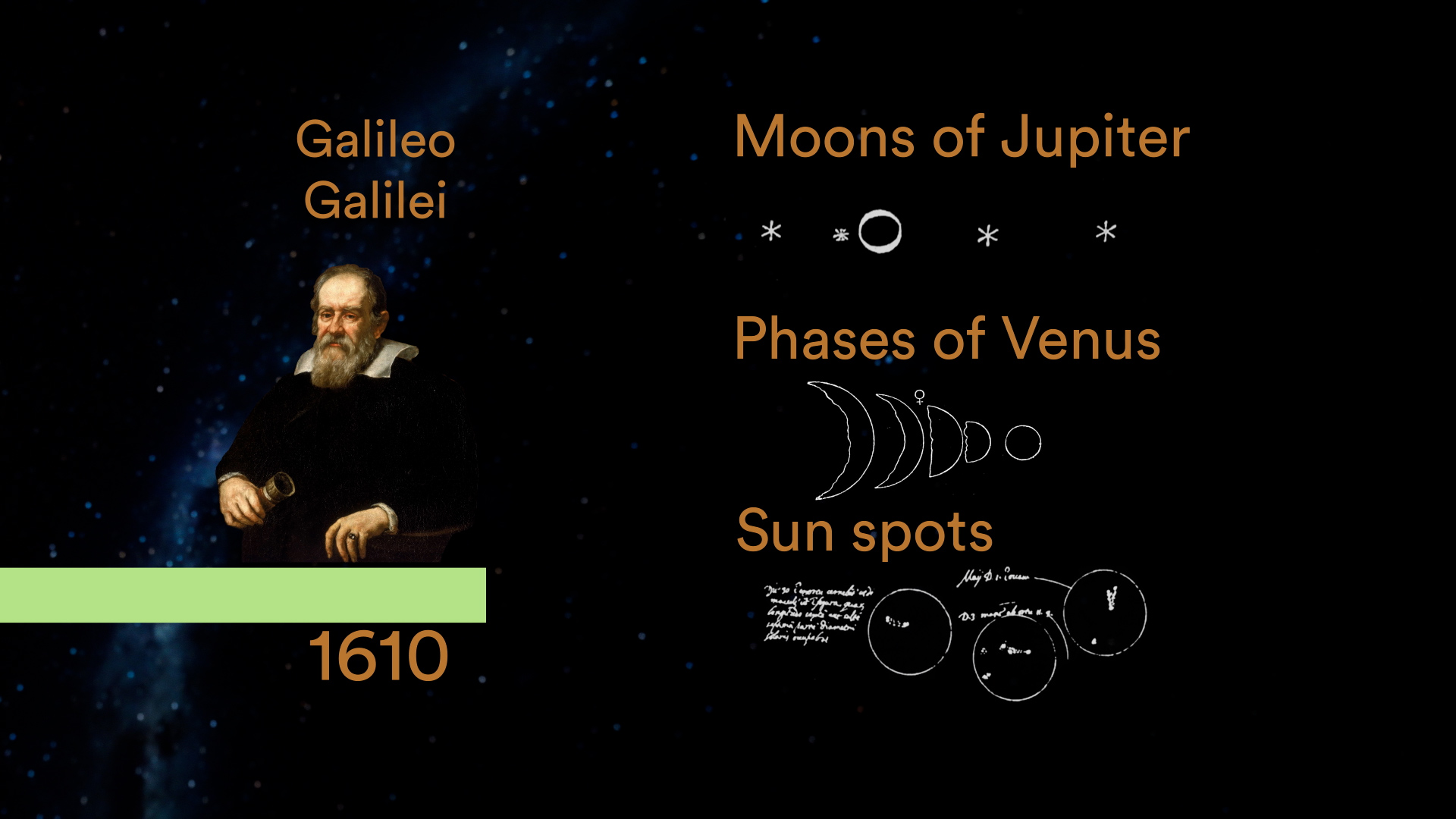
Think of it like this: imagine a merry-go-round. For a long time, people thought they were standing still on the ground, and the whole merry-go-round was spinning around them. Copernicus suggested that actually, they were on the merry-go-round, and it was spinning around a central point – the Sun. While Copernicus laid the groundwork, later scientists like Galileo Galilei and Johannes Kepler provided further evidence and refined the model, but Copernicus’s initial proposal was truly groundbreaking.
Getting started with this topic is surprisingly easy. You don't need a telescope to begin! Start by reading a simple article or watching an introductory video about the heliocentric model. Look for diagrams that illustrate the orbits of the planets around the Sun. You can even use household objects, like a ball for the Sun and smaller balls for the planets, to create a simple, hands-on model at home. This visual representation can make the concept much clearer, especially for younger learners.
The beauty of the heliocentric model lies in its simplicity and elegance. It provides a far more accurate and straightforward explanation for planetary movements than the complex geocentric system. Understanding this fundamental shift in perspective is not only intellectually satisfying but also opens the door to a universe of further exploration and wonder. It’s a journey of discovery that started centuries ago and continues to inspire us today!