
Which Side Of The Aluminum Foil Is Non-stick
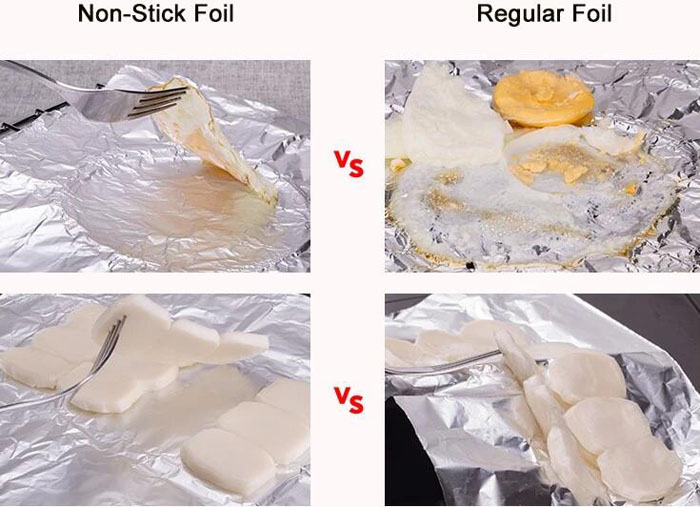
Hey there, kitchen adventurers! Ever found yourself staring at a roll of aluminum foil, mid-recipe, and suddenly questioning everything you thought you knew? Yeah, me too. It’s like a tiny culinary mystery, right? We’ve all got that trusty roll, perfect for wrapping up leftovers, making those fancy baked potatoes, or even crafting a makeshift chef’s hat for your cat (don't judge). But here’s the million-dollar question that pops into our heads, usually when we're trying to get that last bit of cheese off a baking sheet: which side of the aluminum foil is the non-stick side?
It’s a question that’s probably sparked more contemplation than we care to admit. Is there a secret handshake involved? A hidden symbol? Or is it all just… well, foil?
Let’s dive in, shall we? Grab a cup of something warm, settle back, and let’s unravel this shiny enigma together.
The Great Foil Debate: Shiny vs. Dull
Okay, so most of us have noticed that one side of our aluminum foil seems a little… different. One side is usually super shiny, reflecting light like a disco ball in a tiny kitchen. The other side, on the other hand, is a bit more dull, almost matte. And this is where the speculation begins, isn’t it? It’s only natural to think, “Aha! The shiny side must be the fancy, non-stick side. It’s all polished and smooth, so food must slide right off!”
But is it really that simple? Think about it. We’ve all probably experimented, right? We’ve lined our baking pans with the shiny side down, hoping for a miracle. And sometimes, it seems to work! Other times, though, it feels like that stubborn brownie residue is clinging on for dear life, no matter which side you used.
So, what’s the deal? Why the two different finishes in the first place? It’s not just for aesthetic appeal, though I’m sure some foil enthusiasts appreciate the visual dichotomy. The truth is, it has everything to do with the way the foil is made.

The Manufacturing Magic: How Foil Gets Its Shine (and Dullness)
So, here’s a little peek behind the curtain of foil production. Aluminum foil is made by a process called cold rolling. Imagine a giant, industrial-strength rolling pin. This process involves passing sheets of aluminum through these massive rollers at room temperature. Now, here's the crucial part: to get those incredibly thin sheets of foil, they’re often rolled in packs.
This means two sheets of aluminum are stacked on top of each other and then fed through the rollers together. Think of it like making a really, really thin sandwich with two sheets of metal. The side of the foil that was in contact with the polished metal roller becomes the shiny side. The side that was in contact with the other sheet of foil? Well, that’s the one that ends up looking a bit dull.
So, the difference in finish is purely a byproduct of the manufacturing process. The outer sides that touched the machinery get that super smooth, shiny finish. The inner sides that rubbed against each other are a little rougher, hence the dull appearance.

So, Which Side Is Actually Non-Stick? The Big Reveal!
Are you ready for this? Drumroll, please… It doesn’t actually matter!
Mind. Blown. Right? All that mental energy spent contemplating the shiny versus the dull, all those culinary experiments, and the answer is… it’s pretty much the same.
Manufacturers deliberately create foil with two different finishes, but for the most part, it’s purely cosmetic. The heat reflectivity and the non-stick properties are virtually identical on both sides. Whether you’re lining a baking tray for some sticky caramel or wrapping up a piece of fish, using the shiny side or the dull side won't make a noticeable difference in how well your food releases.
Why the Difference Then? A Matter of Heat and Reflection
Okay, so if it’s not about non-stick, why bother with the two finishes? Well, there’s a tiny bit of science involved, but it’s not going to dramatically change your cooking. The shiny side is slightly more reflective of heat. This means if you want to bounce heat away from your food (perhaps to prevent over-browning on top), you might choose to have the shiny side facing outwards.
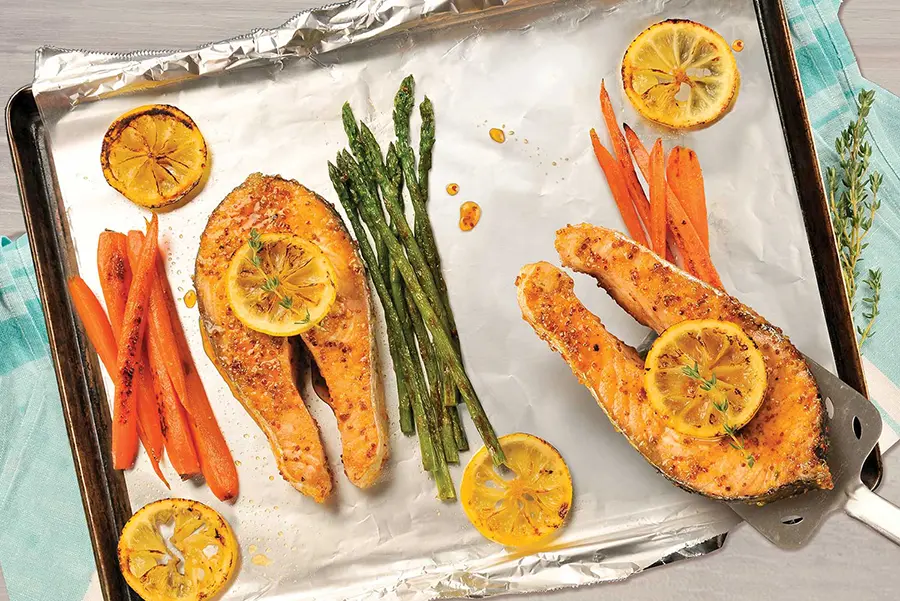
Conversely, the dull side absorbs heat a tiny bit better. So, if you want your foil to absorb heat more effectively (maybe to help cook something through from the top), you could theoretically have the dull side facing outwards. But honestly? The difference is so minimal that in most everyday cooking scenarios, you’re unlikely to notice a tangible impact.
Think of it like choosing between two nearly identical shades of blue. They’re both blue, and they both do the job of being blue, even if one has a slightly cooler undertone. Your food will still cook, and your leftovers will still be covered.
When Does it Maybe Matter? The Ultra-Specific Scenarios
There are a few super niche, almost obsessive-compulsive scenarios where some people swear by a particular side. For instance, if you’re using foil for a very specific culinary purpose, like creating a perfectly crisp crust by having the shiny side facing the food to reflect radiant heat back onto it for an extra bit of crispness. Or, if you’re wrapping something very delicate that you absolutely do not want to stick, some folks might feel better using the side they perceive as smoother.

But for the average home cook, diligently wrapping up your weeknight dinner, don’t lose sleep over it. The difference is often more in our heads than in the practical outcome. It’s like the debate over whether to use a fork or a spoon for your yogurt – both will get the job done!
The Real "Non-Stick" Secret
If you're genuinely struggling with food sticking to your foil, the real secret isn't which side you use, but rather a few other tried-and-true kitchen hacks:
- Grease it up! A light coating of oil or cooking spray on the foil before you put your food on it is your best friend. This is a far more effective way to ensure a truly non-stick surface.
- Use Parchment Paper! For those truly sticky situations, especially with delicate pastries or baked goods, parchment paper is the ultimate non-stick hero. It’s designed for it!
- Don't Overcook! Sometimes, food sticks because it's been cooked for too long and has caramelized or dried out onto the surface. Keep an eye on your cooking times!
So, there you have it! The great aluminum foil mystery is solved. The shiny side and the dull side are pretty much the same when it comes to sticking. It’s all about the manufacturing process, not some magical coating. Pretty cool, right? Now you can go forth and foil with confidence, knowing you're making the right choice, no matter which side you pick!
Happy cooking, everyone!