
Who Was Abigail Williams In The Crucible

Ever heard of the Salem Witch Trials? Of course you have! It’s one of those historical events that pops into our minds like a slightly spooky, but totally fascinating, ghost story. And at the heart of all that drama? Well, a young lady named Abigail Williams. Now, before you picture a cackling hag with a pointy hat, let’s get real. Abigail was a teenager, a whole lot like the kids you might know today, just living in a very different time. And understanding her story, believe it or not, can actually be a pretty fun deep dive into human nature!
So, who was Abigail Williams, really? Picture this: late 17th century, Puritan Massachusetts. Life was… well, let’s just say it was a tad more serious than our TikTok-scrolling days. Abigail was around 11 years old when the whole witch hunt frenzy kicked off. She was living with her uncle, Reverend Parris, in Salem Village. And let me tell you, her life was about to get wildly more complicated than just doing chores and avoiding homework!
The whole saga really gets rolling when Abigail and a group of other young girls started having these… fits. We’d call them seizures or dramatic outbursts today, right? But back then, in a society that believed firmly in the devil’s active presence, the interpretation was a lot more dramatic: they were being afflicted by witchcraft! Can you even imagine the panic? It’s like if your friend suddenly started babbling nonsense, and instead of thinking "maybe they're just tired" or "did they eat too much sugar?", everyone's screaming "DEMONS!"
Now, here’s where Abigail steps into the spotlight, and it’s not just for her dancing skills (which, we assume, were pretty standard for the era). She became one of the primary accusers. She claimed to see spectral visions of people – innocent people! – tormenting her. And when a young girl, especially in that highly religious society, pointed a finger and said "they’re a witch," people listened. Really listened. It’s a scary thought, isn't it? How much power a single voice, even a young one, can wield when the circumstances are just right. It’s like a game of telephone, but with terrifying consequences.
One of the most famous figures she accused was John Proctor. And the whole Proctor storyline is just intense. Abigail claimed he was tormenting her, and her testimony, along with others, was a huge part of what led to his and his wife Elizabeth's arrest. This is where it gets heavy, folks. The accusations spiraled out of control, leading to trials, imprisonment, and ultimately, the execution of twenty people. Twenty! All based on accusations, fear, and a whole lot of misinterpretation.
:max_bytes(150000):strip_icc()/the-crucible-3360717-5c579bb5c9e77c000102c6da.jpg)
So, what happened to Abigail? Well, after the initial frenzy began to cool down, and people started questioning the validity of the testimonies, the atmosphere shifted. Many of the accusers, including Abigail, seemed to just… fade away from the spotlight. There are reports that she eventually left Salem and moved to another town. What happened to her after that is a bit of a historical mystery, which, in itself, is kind of cool, right? It’s like a historical cliffhanger!
But why is Abigail Williams, a girl at the center of such a dark chapter, a topic worth exploring lightheartedly? Because her story, though tragic, is a powerful lesson in so many ways. It’s a stark reminder of the dangers of mass hysteria, the power of suggestion, and how fear can make people believe the most extraordinary things. Think about it: have you ever been caught up in a rumor or a trend that felt bigger than life? Abigail's story is an extreme version of that, showing us how important it is to question, to be critical thinkers, and to always, always look for evidence.
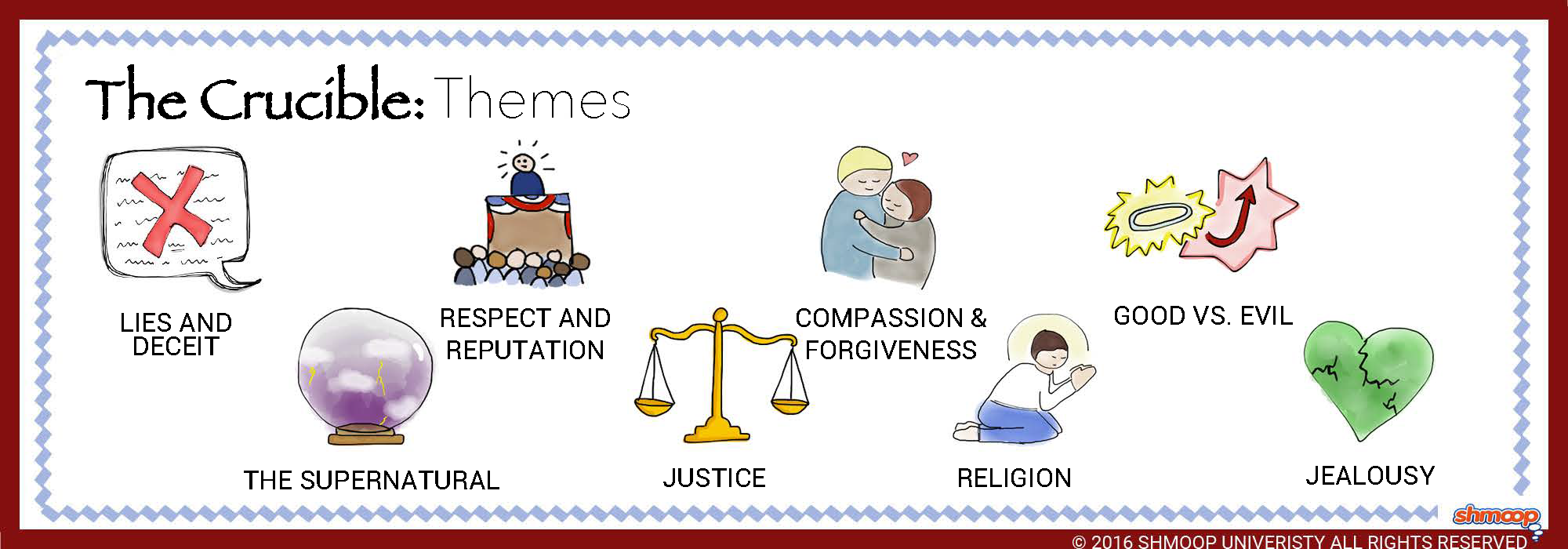
It also shows us the complexities of human behavior. Was Abigail a malicious villain? Or was she a product of her environment, a young girl caught in an unprecedented situation, perhaps influenced by others, or even genuinely believing what she was saying due to the intense societal pressure and religious beliefs of the time? Arthur Miller, who wrote the famous play The Crucible, certainly explored these complexities, using the Salem Witch Trials as an allegory for McCarthyism. And that, my friends, is where history becomes not just dates and facts, but a vibrant, living tapestry of human experience!
Learning about Abigail Williams isn't about pointing fingers or dwelling on the gloom. It's about understanding the forces that can shape individual actions and societal reactions. It’s about recognizing the fragility of truth when fear takes hold. And it’s about appreciating how far we’ve come in terms of justice and critical thinking – though, let's be honest, we still have our moments, don't we? 😉
The story of Abigail Williams and the Salem Witch Trials is a fantastic example of how history can be utterly captivating. It’s a drama, a tragedy, and a profound case study all rolled into one. It makes you think about your own beliefs, about how you react to pressure, and about the importance of seeking truth. So, the next time you hear about the Salem Witch Trials, don't just shiver. Think about Abigail. Think about the people she accused. And then, dive a little deeper! Explore the play, read the historical accounts, and let the past spark your curiosity. It’s a journey that will not only educate you but also make you appreciate the incredible, and sometimes wild, ride that is human history!