
Who Was Nostradamus And Why Was He Famous
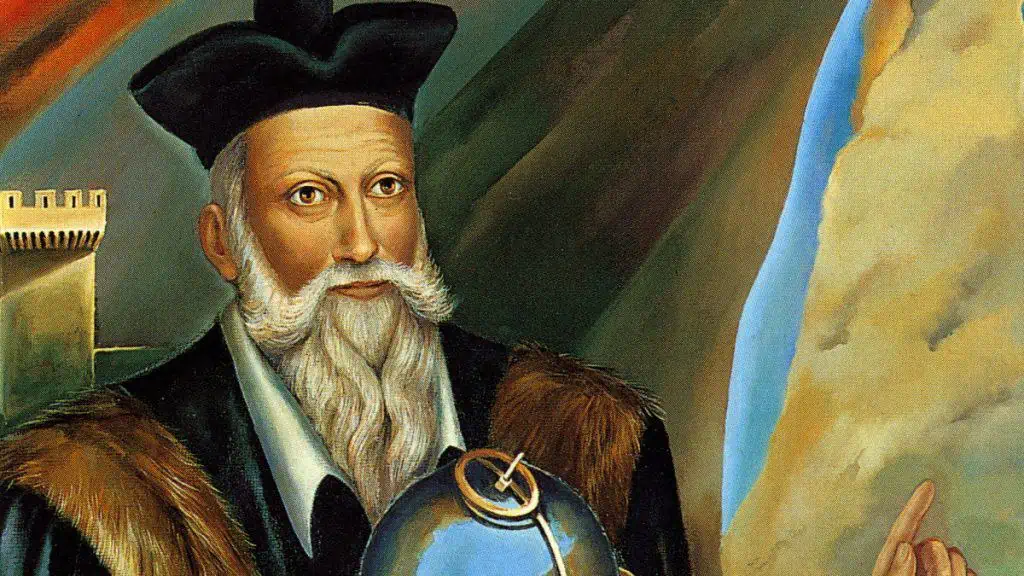
Imagine a guy from way back in the 1500s who was a bit of a celebrity, not because he invented a cool gadget or sang a catchy song, but because people thought he could see the future! That was Nostradamus, a name that still pops up whenever something big and maybe a little scary happens in the world.
He wasn't your typical bearded old prophet sitting in a cave. Nostradamus was actually a pharmacist and a physician, which sounds pretty ordinary, right? He helped people get better when they were sick, which is a pretty heartwarming job in itself.
But then, on the side, he started writing these strange little poems, or "quatrains" as they call them. These weren't your "Roses are red, violets are blue" kind of poems. These were like cryptic riddles about things that might happen years, even centuries, after he was gone.
He published his first big book of these prophecies in 1555. Can you imagine being alive then and picking up a book that claimed to tell you what your great-great-great-great-great-grandchildren might experience? It must have been mind-blowing!
So, why did people get so excited about Nostradamus? Well, it's a bit like a really popular guessing game. People would read his poems and try to match them up with events that had already happened or were happening.
When something significant occurred, like a famous king's death or a major war, someone would inevitably say, "Hey! This sounds just like what Nostradamus wrote!" And boom, his fame would skyrocket all over again.
It's kind of funny when you think about it. He wrote in a very mysterious way, using a mix of languages and riddles. This made it super easy for people to interpret his words to fit whatever they wanted them to mean.
One of the most talked-about predictions is about the death of a French king. Nostradamus wrote something about a young lion overpowering an older one on the field of combat, and a great man suffering a violent death. Many believe this was about King Henry II of France, who was indeed killed in a jousting accident.
Isn't it wild to think that a simple physician could be linked to such dramatic events? It makes you wonder if he was a genius, or just really good at being vague!
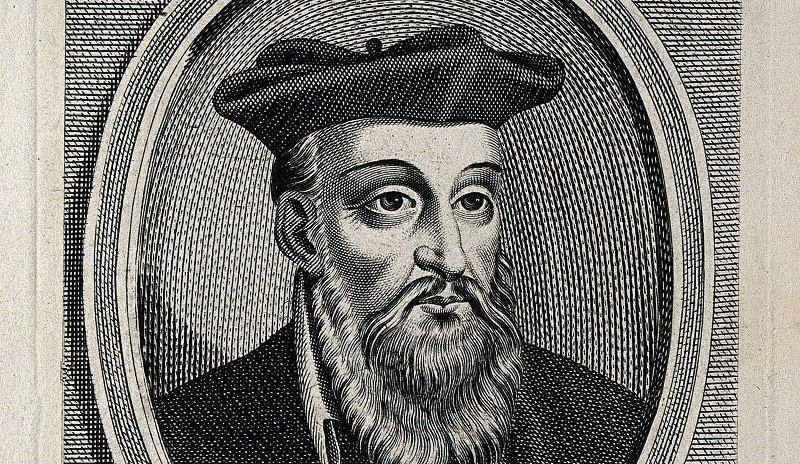
Beyond kings and battles, people have tried to link his prophecies to all sorts of things. The rise of dictators, major inventions, even natural disasters like earthquakes and plagues. It's like a historical scavenger hunt for believers.
Think about the World Wars. When those terrible conflicts broke out, suddenly everyone was digging out their old copies of Nostradamus's writings, searching for clues about how it all started and what might happen next.
And then there's the story of him predicting his own death. It's said he told his secretary that he would be found dead by his bed one morning. And guess what? That's exactly what happened. A bit of a spooky, yet perhaps heartwarming, way to go for someone who looked so far ahead!
But here's the really interesting part: Nostradamus wasn't just about doom and gloom. Some interpretations suggest he also saw a future of peace and prosperity, a time when humanity would be wiser and more harmonious.
This duality, the mix of potential disaster and ultimate hope, is probably a big reason why his work has endured. It taps into our deepest fears and our greatest aspirations all at once.
It's also worth remembering the context of his time. In the 1500s, life was often uncertain and mysterious. People looked to astrologers and prophets for answers and guidance, much like we might look to scientists or experts today.
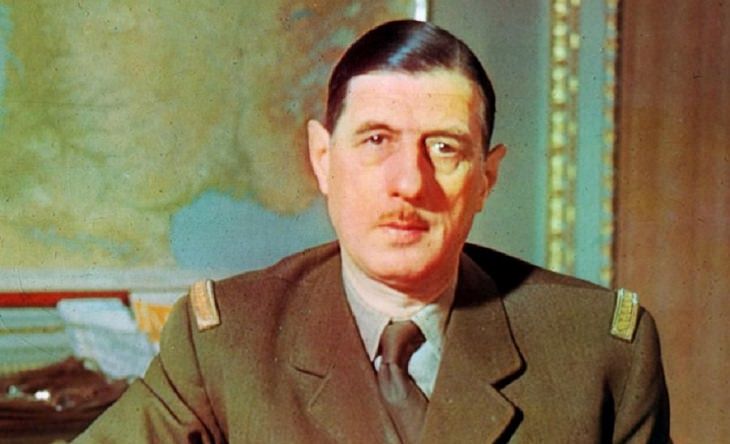
Nostradamus's predictions were written in Old French, Latin, and even some Greek, making them a real challenge to decipher. It's like trying to solve a puzzle that's been passed down through generations.
The sheer volume of his writings, the Centuries (collections of 100 quatrains), means there's a lot to go through. It's easy to find patterns and connections if you're determined enough to look.
Some historians argue that his fame is more about clever marketing and retrospective interpretation than actual clairvoyance. They say his poems are so vague that they can be made to fit almost any event after the fact.
But then there are those who point to specific details that seem uncannily accurate. The "beast" that would represent a powerful empire, or a "great king" who would fall from grace. It keeps the debate lively!
The most heartwarming aspect might be how his work has fostered a sense of community. People gather, discuss, and debate his predictions, creating a shared intellectual (and sometimes dramatic) experience.
Imagine a book club, but instead of discussing characters and plot, you're discussing the fate of the world according to a 16th-century mystic! It’s a pretty unique hobby.
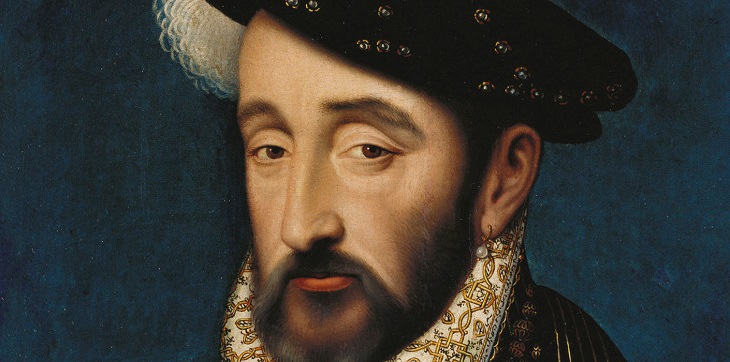
Even if you don't believe in his prophetic abilities, there's something fascinating about the enduring legacy of Nostradamus. He captured the human fascination with the unknown and the desire to understand what tomorrow might bring.
He was a man who used words as tools to explore the possibilities of time. And in doing so, he created a legend that continues to spark curiosity and wonder centuries later.
Think of him as an early influencer, but instead of makeup tutorials, he was offering cryptic glimpses into the future. And unlike most influencers, his content has managed to stay relevant for over 450 years!
His influence isn't just in predicting disasters; it's also in how he made people think about the future, about possibilities, and about their place in the grand scheme of things.
So, the next time you hear the name Nostradamus, remember he wasn't just some spooky fortune-teller. He was a fascinating historical figure, a physician, a writer, and a source of endless debate and wonder.
He gave us riddles to ponder and futures to imagine. And that, in its own mysterious way, is a pretty special gift.

Perhaps the greatest prophecy of Nostradamus is simply his own enduring fame, a testament to the human desire to peek behind the curtain of time.
It’s a story that’s a little bit of history, a little bit of mystery, and a whole lot of fun to think about!
And that's why, even today, the name Nostradamus still rings with a certain kind of magic.
He reminds us that even in the darkest times, there's always room for hope and the possibility of a better future.
It's like a cosmic scavenger hunt, with clues left behind by a man who dared to dream of seeing what was yet to come.
And isn't that just a wonderfully intriguing thought?