
Who's The Villain In Iron Man 3
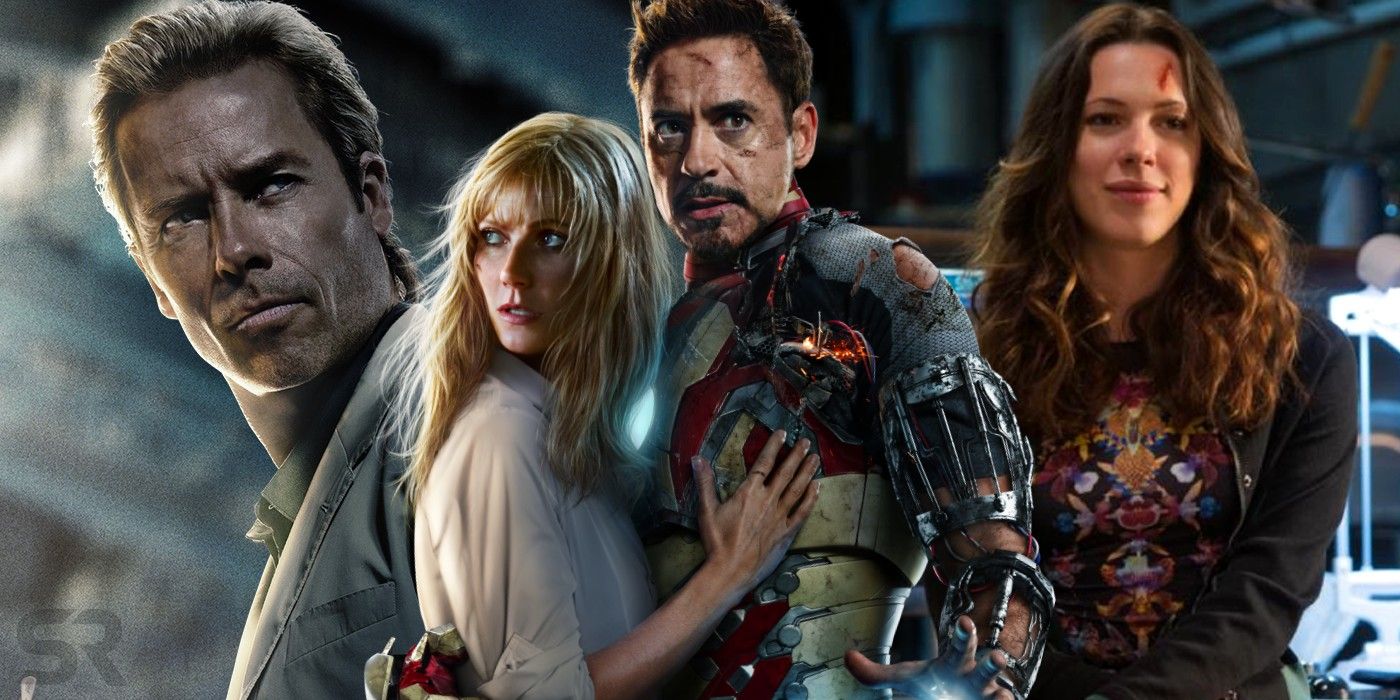
So, Iron Man 3. We all saw it, right? It's that one where Tony Stark's world kinda blows up, literally, and he's left with, well, a lot less than he's used to. But the question that’s been swirling around the coffee shops and the fan forums ever since is a classic: who’s the real villain here? It’s not as straightforward as a guy in a red suit with a maniacal laugh, and that’s what makes it so interesting, don't you think?
When you first think of villains in Iron Man 3, your mind probably jumps straight to Aldrich Killian. And, I mean, yeah, he's a pretty nasty piece of work. He’s the classic power-hungry entrepreneur with a serious chip on his shoulder. Think of him as the tech bro who went from obscurity to orchestrating global chaos, all fuelled by a desperate need for recognition and revenge. He’s got the swagger, the fancy tech (Extremis is no joke, folks!), and a flair for the dramatic that would make even a reality TV star blush. He’s the guy you’d want to avoid at any industry networking event, let me tell you.
Killian’s whole deal is pretty much rooted in that age-old adage: hell hath no fury like a man scorned. He felt overlooked, dismissed by Tony Stark himself at a New Year's Eve party way back when. That little slight, that moment of being brushed aside, festered. It’s a good reminder, isn't it, how sometimes the smallest interactions can have the biggest ripple effects? Like that time you accidentally ghosted a friend on Instagram – okay, maybe not that dramatic, but you get the idea.
And his methods? Pure, unadulterated manipulation. He's not just about brute force; he's about playing the long game, weaving a web of deceit that ensnares everyone, including the President. He’s the guy who’d probably use deepfake technology for his own nefarious ends, making him a villain for our times, wouldn't you say? It’s a bit like those online scams where you think you’re getting a great deal, but it’s all just a clever front.
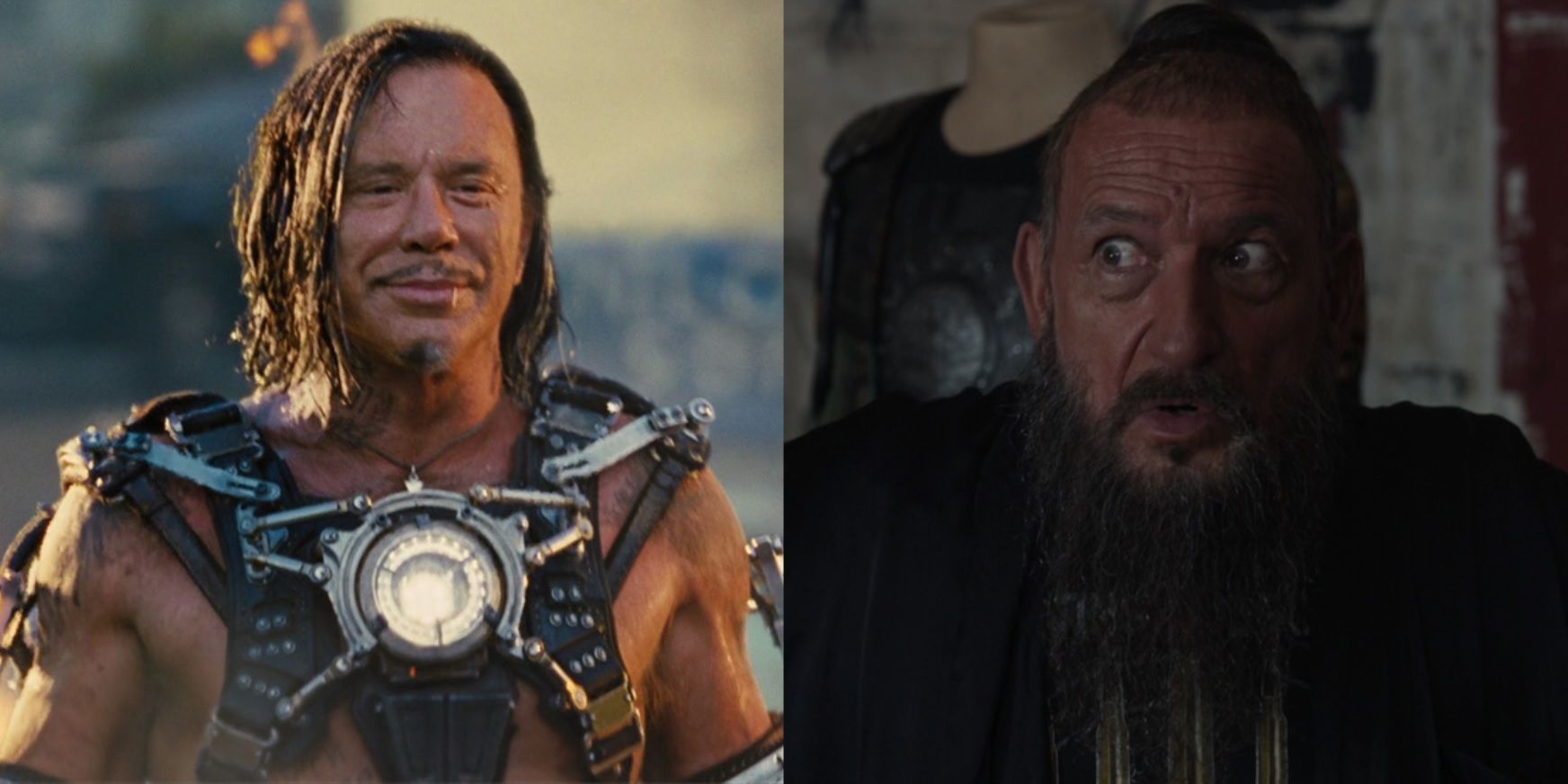
But then, as the movie unfolds, we get this massive twist. The whole Mandarin persona? The terrifying terrorist mastermind who’s been all over the news? Turns out, that’s just a performance. A brilliantly crafted, incredibly convincing act put on by a washed-up actor named Trevor Slattery. This is where the film really starts to mess with our heads, and honestly, it's a stroke of genius.
Trevor isn't a villain in the traditional sense. He's not driven by world domination or personal vendettas. He's just… an actor. A struggling actor who was paid a boatload of money to play a role. He’s the guy you might see shilling questionable products on late-night infomercials, or maybe a bit-part player you vaguely recognize from a sitcom that’s been cancelled after one season. He’s the definition of a pawn, completely out of his depth, but still managing to cause a whole lot of chaos by accident.

His motivation is simple: a paycheck and the chance to feel important, even if it's just for a little while. It’s a sad, almost pathetic motivation when you really think about it. It makes you wonder about all those people who get caught up in larger schemes, not out of malice, but out of desperation or a misguided desire to be part of something bigger.
So, if Killian is the architect of destruction and Trevor is the unwitting puppet, where does that leave us? This is where the genius of Iron Man 3 really shines. The film suggests that perhaps the biggest villain isn't a person at all. It's the fear. The pervasive, manufactured fear that Killian so expertly weaponizes.
Think about it. Killian didn't just create super-soldiers; he created a public enemy out of thin air. He capitalized on the existing anxieties of a post-9/11 world, where the threat of terrorism was a constant hum in the background of everyday life. He made people believe in the Mandarin, in the imminent danger. And that belief, that fear, was more powerful than any bomb or any advanced weaponry.
This is where the film becomes a commentary on our media-saturated society. How easily we can be swayed by sensationalism, by carefully curated narratives. It’s like the constant stream of bad news we get on social media – it can leave you feeling perpetually anxious, even if you’re perfectly safe. It’s the digital equivalent of Killian’s Extremis, a manufactured threat that slowly erodes our peace of mind.
And Tony Stark himself? He’s also a victim of this manufactured fear. He’s personally targeted by Killian, forced to confront his own vulnerabilities and insecurities. His obsession with building more suits, his anxiety about not being enough, it’s all amplified by the external threats. He’s battling his own demons as much as he’s battling the bad guys.
It’s a bit like when you’re trying to declutter your house. You start with the obvious junk, the things you know you don’t need. But then you find those old trinkets, those sentimental items that, while not actively harmful, are holding you back from truly simplifying. Killian is the junk, Trevor is the trinket, and the fear is the clutter that’s overwhelming the whole place.
One of the most memorable aspects of the film is Tony’s struggle with PTSD after the Battle of New York. He’s having panic attacks, he’s losing sleep, he’s not the invincible Iron Man everyone expects him to be. This vulnerability is crucial. It shows that even the most powerful among us can be crippled by fear and trauma. It's a very humanizing moment, showing that the shiny exterior of genius and wealth can hide a lot of internal turmoil.
This is where the cultural relevance really hits home. We live in a world where mental health is finally being discussed more openly, and Iron Man 3, in its own way, tapped into that. Tony isn't just fighting bad guys; he's fighting his own mind. He’s learning to cope, to rebuild himself not just his suit. It's a message of resilience, that even after the most devastating experiences, you can find a way to heal and move forward.
Consider the famous “House Party Protocol” scene, where Tony unleashes all his suits. It’s a spectacular display of power, but it's also a moment of catharsis for him. He's reclaiming his power, not just as Iron Man, but as Tony Stark. He's realizing that he doesn't need the suit to be strong; he is strong.
So, if we're to pick a primary villain, it’s a bit of a tough call. Is it the calculating mastermind, Aldrich Killian, driven by a lifetime of perceived slights? Or is it the ever-present, insidious force of fear itself, manipulated and amplified for maximum impact? I lean towards the latter. Killian is the catalyst, the agent provocateur, but the true enemy he exploited was our own susceptibility to fear and panic.
It’s a bit like when you’re scrolling through social media and see a post designed to make you angry or worried. The person who posted it might be the immediate problem, but the underlying issue is how easily we can be triggered, how our emotions can be hijacked. Iron Man 3 reminds us to be critical, to question what we're being told, and to understand the motivations behind the messages we receive.
And Trevor Slattery? He’s a cautionary tale. A reminder of what happens when people are willing to compromise their integrity for a quick buck or a moment in the spotlight. He’s the actor who takes the gig he knows is beneath him, the influencer who promotes products they don’t believe in. He’s the easily manipulated cog in a much larger machine.

This film does a fantastic job of subverting our expectations. We’re primed to look for a single antagonist, a clear-cut bad guy. But Iron Man 3 throws a curveball, forcing us to look deeper, to consider the systemic issues and the psychological warfare at play.
It’s like a really good mystery novel. You’re convinced it’s the butler, but then you realize the gardener had a secret motive, and the elderly aunt was the mastermind all along. It keeps you guessing, and that's what makes it so entertaining and thought-provoking.
In the end, the beauty of Iron Man 3 is that it's not about a single villain. It's about how individuals and societies grapple with fear, with vulnerability, and with the power of perception. It’s a story about rebuilding, about finding strength within, and about recognizing that sometimes, the greatest battles are fought not with fists or repulsor rays, but within ourselves.
And that, my friends, is a lesson that resonates far beyond the silver screen. Think about your own daily life. How often do you let fear or anxiety dictate your choices? How often do you get caught up in manufactured drama or sensationalized news? Just like Tony Stark had to overcome his own demons to become a better Iron Man, we too can strive to face our own challenges with courage and clarity. It’s not always easy, but acknowledging the “villains” – whether they’re external pressures or internal doubts – is the first step to conquering them. And that, in my book, is a superpower we can all cultivate.