
Why Acids Are Not Stored In Metal Containers

Ever wondered why that bottle of vinegar or that container of battery acid isn't made of, well, metal? It's a pretty common sight to see these liquids in plastic or glass, right? But have you ever stopped to think about the why behind it? It's actually a super neat bit of science, and honestly, a little bit like a chemistry magic show you wouldn't want to mess with.
Let's dive in, shall we? We're talking about acids. You know, those tangy things that give lemons their zing, or the stuff that can help clean out your drain (though maybe don't try that at home without adult supervision!). Acids are like the enthusiastic party guests of the chemical world – they like to get involved, and sometimes, they get a little too involved.
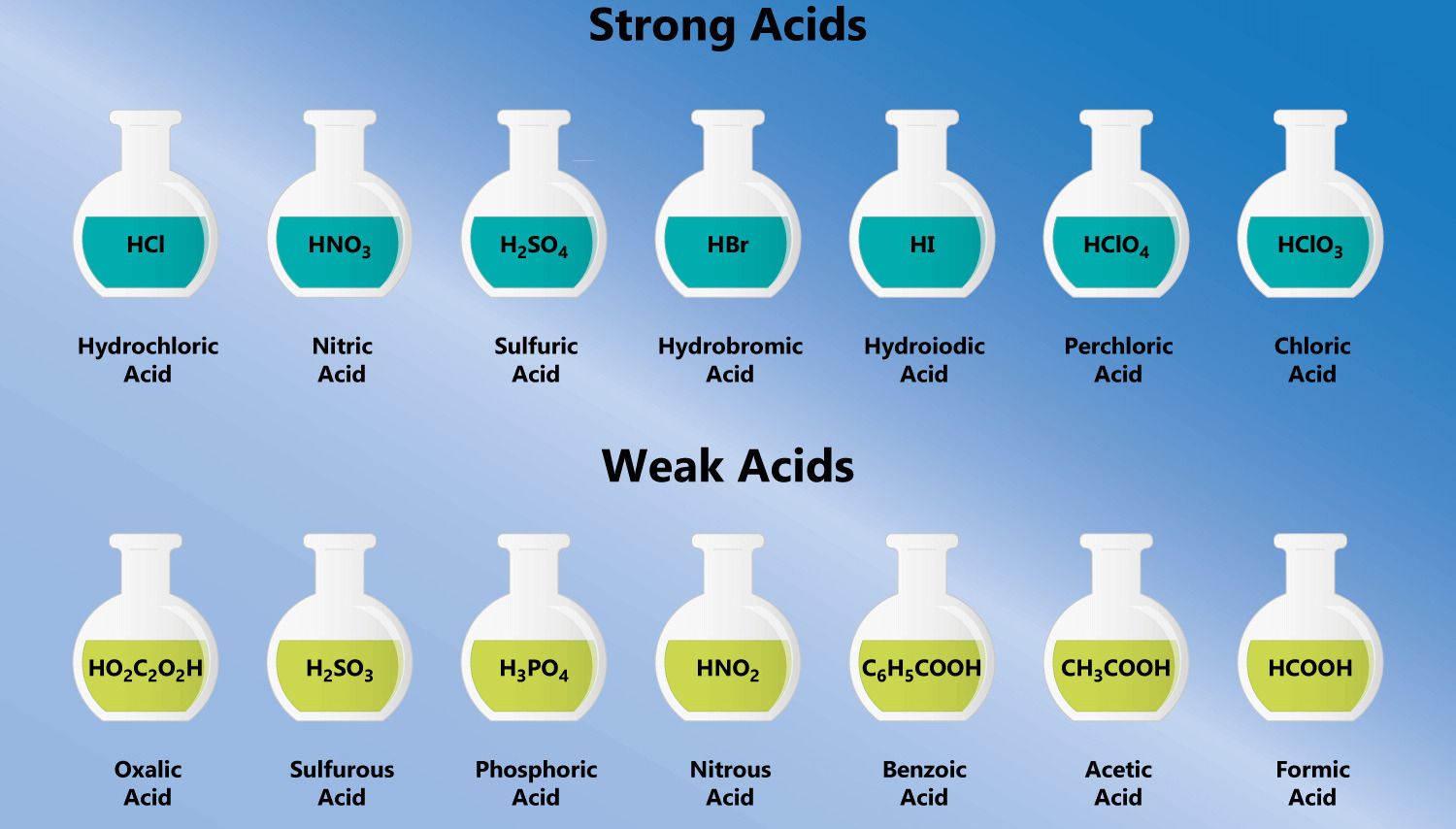
Now, imagine you've got a super strong acid, like hydrochloric acid. This stuff is no joke. It's one of the reasons why your stomach can digest food – it's pretty potent! So, what happens when you put something so energetic into a metal container? It's like trying to put a wild stallion into a flimsy little fence. Things are probably going to get a bit chaotic.
The Great Metal Meltdown (Not Really, But Close!)
See, acids have a particular talent for reacting with things. And metals? Well, metals are often on the menu for acids. Think of it like this: when an acid meets a reactive metal, it's a bit like a chemical handshake that gets a little too firm. The acid starts to dissolve, or eat away at, the metal.
This process isn't exactly a speedy disintegration like in the movies, but over time, it's definitely happening. The metal atoms are essentially being pulled apart by the acid molecules. It’s a bit like a very slow, very determined scavenger hunt where the acid is the scavenger, and the metal is the treasure.

And what happens when the metal starts to break down? For starters, you've got a container that’s no longer doing its job of holding stuff. That’s a problem, right? You don't want your strong acid suddenly making a break for it all over your workbench. That would be a major oopsie.
The Gas Factor: Another Chemical Surprise Party
But wait, there's more! When acids react with many metals, they don't just dissolve the metal. Oh no, they also produce something else: gas. Yep, bubbles! Think about when you add baking soda to vinegar – you get all that fizzing? Similar idea, but with stronger acids and certain metals, the gas produced can be quite significant, and sometimes, quite dangerous.
Imagine that metal container is sealed. Now, you're filling it with acid, and the acid is busy reacting with the metal, creating gas. What happens when you trap gas in a container? Pressure builds up! It’s like overfilling a balloon – eventually, something has to give. In the case of a metal container, this pressure could potentially cause the container to burst. Not a fun scenario, to say the least.
This gas can also be reactive itself, or even flammable. So, not only are you risking a leaky container, but you're also creating a potential explosion hazard. It’s a double whammy of chemical no-nos.
Why Plastic and Glass Are the Chill Buddies
So, if metal is such a no-go, what’s the deal with plastic and glass? They're like the ultimate chill buddies for acids. They're much less likely to react with them.
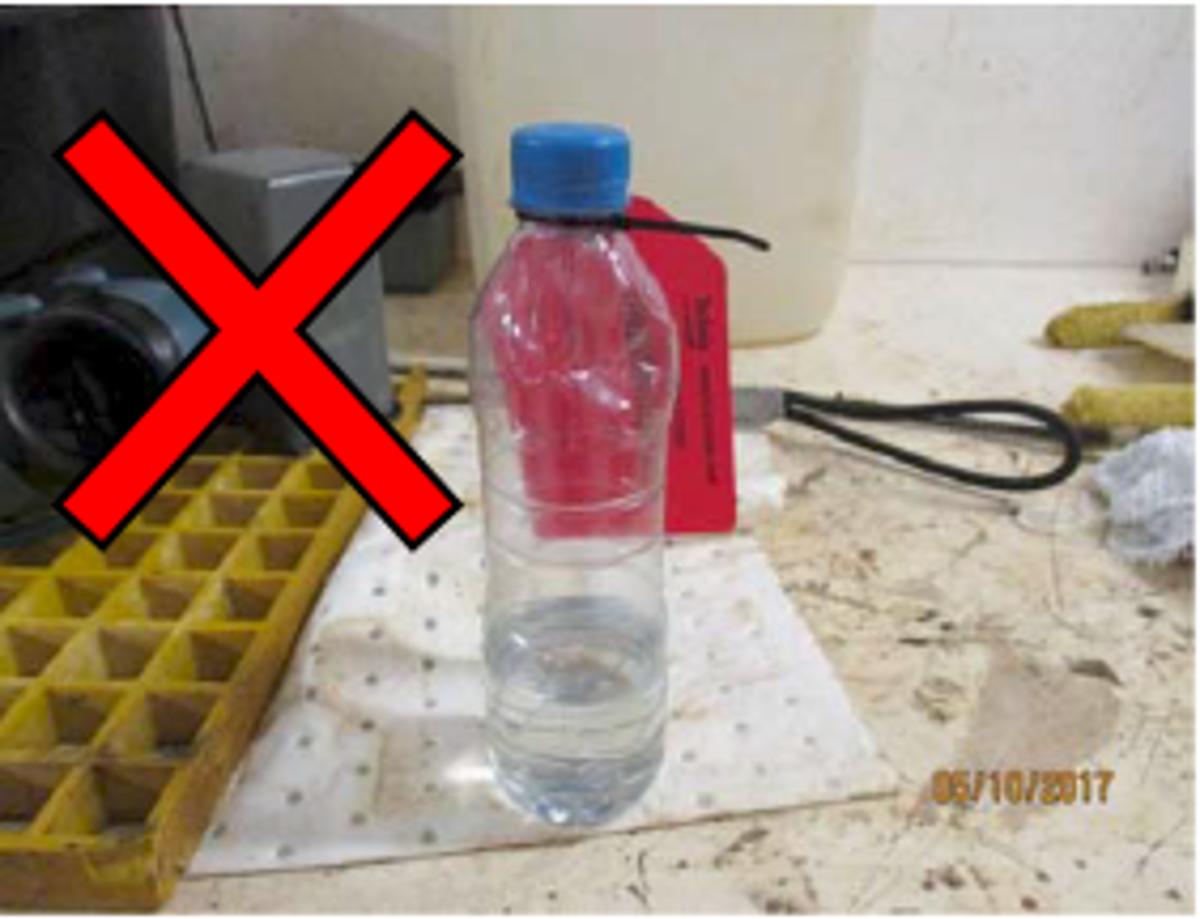
Plastic, especially the types used for chemical storage, is designed to be quite inert. That means it's not very reactive. It’s like a polite bystander at a party, just observing without getting too involved in any drama. Common plastics like polyethylene or polypropylene are fantastic at resisting acids. They’re the trusty, dependable friends who won’t get flustered.
And glass? Glass is made from silica, which is pretty much sand that’s been melted and cooled. For most common acids, glass is incredibly stable. It’s like a fortress. It can handle the acid without dissolving or reacting significantly. Think of it as the stoic, unwavering guardian.
Of course, there are super specialized, incredibly strong acids out there that can even affect glass or certain plastics, but for the everyday acids we encounter, plastic and glass are the go-to materials for good reason.
It's All About Compatibility
Ultimately, it all comes down to chemical compatibility. Scientists and manufacturers spend a lot of time figuring out what materials play nicely with what chemicals. It's like choosing the right outfit for the occasion – you wouldn't wear a ball gown to go rock climbing, and you wouldn't store strong acids in a reactive metal container.
It’s a fascinating dance of molecules, isn't it? The way acids can break down metals, the way gases can build up, and the way certain materials are just naturally more resistant. It’s a reminder that even seemingly simple things, like the container holding your cleaning supplies, are the result of careful scientific consideration.
So, the next time you see a bottle of something acidic, take a moment to appreciate the materials it's stored in. They’re not just random choices; they’re the result of smart science ensuring everything stays safe and sound. Pretty cool when you think about it!