
Why Are Alkali Metals Extremely Reactive

Ever seen those videos online where someone drops a tiny bit of sodium into water and BAM! Big reaction? Or maybe you've heard tales of alkali metals being super eager to do… well, something.
It’s kind of a mystery, right? Why are these guys, sitting all friendly-like in the first column of the periodic table, so incredibly reactive? Are they just drama queens of the chemical world? Let’s dive in and find out what makes them tick. It's actually pretty fascinating stuff!
The Atomic Superstar: That Lone Electron
So, at the heart of every element’s behavior is its atoms. And atoms have this neat little setup: a nucleus in the middle, and electrons zipping around it in different energy levels, sort of like planets orbiting a sun. These electrons are the key players in how atoms interact.
Now, alkali metals – think of elements like lithium, sodium, potassium, rubidium, cesium, and francium – have a secret weapon, or maybe more like a secret addition. They have exactly one electron chilling in their outermost shell.
Imagine your electronic setup is like having just enough shelves for your books, but then someone gives you one extra book. Where does it go? It’s just… there. Extra. And it's not tucked away nicely; it's right on the edge, exposed.
This single, lonely electron is the main reason for all the fuss. It's like having a party invitation that's almost complete, but just missing one crucial detail. It's an itch that needs scratching!
The Quest for Stability: A Cosmic Craving
Why is this one electron such a big deal? Well, atoms, just like us, tend to crave stability. They want to be in a nice, cozy, low-energy state. And for most elements, this means having their outermost electron shell completely full.
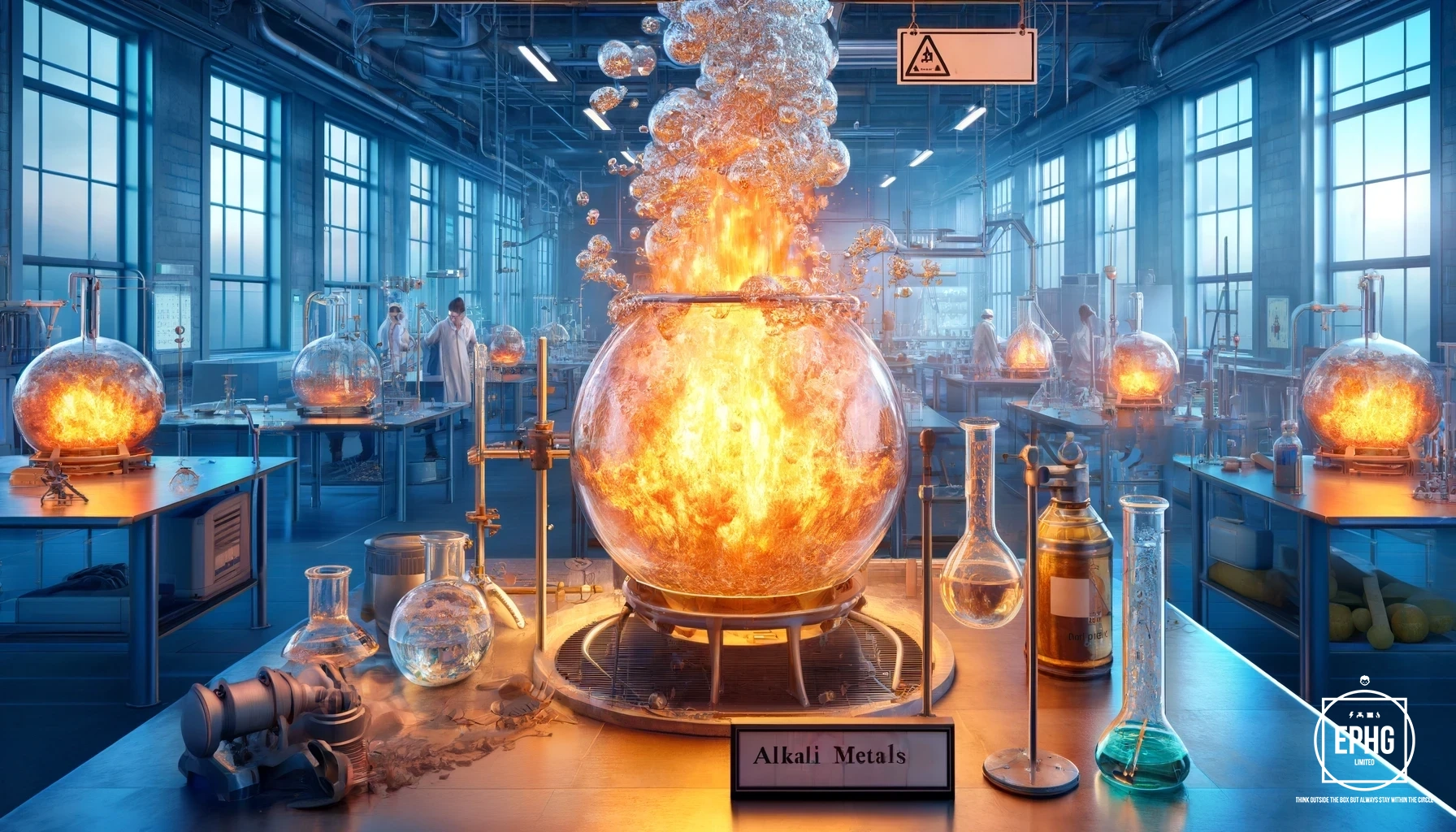
Think of it like a perfectly organized closet. Everything has its place, and nothing is sticking out. For atoms, a full outer shell is like that perfectly organized closet. It's happy. It's stable.
Alkali metals, with their single outer electron, are like someone whose closet has almost every shelf full, but there's just one shelf with a single lonely sock. It feels incomplete. It's just begging to be paired up or, in this case, to get rid of that odd sock altogether.
To become stable, an alkali metal atom has two choices: it can either find seven more electrons to fill its outer shell, or it can give away that one extra electron. And guess which one is way, way easier?
Finding seven electrons is like trying to find seven perfect matching socks for that one lonely sock. It's a monumental task! Giving away that one electron, however, is like realizing you can just donate that lonely sock to charity. Much simpler, right?
The "Take It or Leave It" Deal
Because giving away that single outer electron is so much easier, alkali metals are practically jumping at the chance. They have a very low ionization energy, which is just a fancy way of saying it doesn't take much energy to yank that electron away.
It’s like offering a free donut to someone who’s really craving one. They’re not going to say no, are they? Alkali metals are like that – they’re always ready to give away their electron.
And when they do give away that electron, they become a positively charged ion. They’ve completed their atomic mission, achieved that stable, full outer shell (which is now the shell underneath the one they just emptied), and are generally quite content.
But here’s the exciting part for us observers: what happens to that electron they so readily shed? It needs a new home!
Making New Friends (Very Quickly!)
This is where the extreme reactivity comes in. Alkali metals are constantly on the lookout for atoms that are looking to gain electrons. And there are plenty of those around!
Think of it as a cosmic dating scene. Alkali metals are the generous ones, always offering to pay for the first round (of electrons!). They’re looking for partners who are, shall we say, a bit electron-greedy.
When an alkali metal atom meets an atom that wants electrons – like a halogen (think chlorine or bromine) – the reaction is almost instantaneous and, as we’ve seen, sometimes quite spectacular.
The alkali metal happily hands over its electron, becoming a positive ion. The electron-accepting atom happily snatches it up, becoming a negative ion. And presto! You’ve formed a strong chemical bond, often creating a salt (like table salt, sodium chloride).
The more eager an alkali metal is to lose its electron (which increases as you go down the group, with cesium being the rockstar of electron donation), the more violently it will react with anything that wants to take it.
Water: The Ultimate Electron Thief
So why is water such a common partner in these dramatic alkali metal reactions? Water molecules (H₂O) are surprisingly good at attracting electrons. They have a slight negative charge on the oxygen atom and slight positive charges on the hydrogen atoms, making them quite capable of "persuading" an alkali metal to part with its electron.
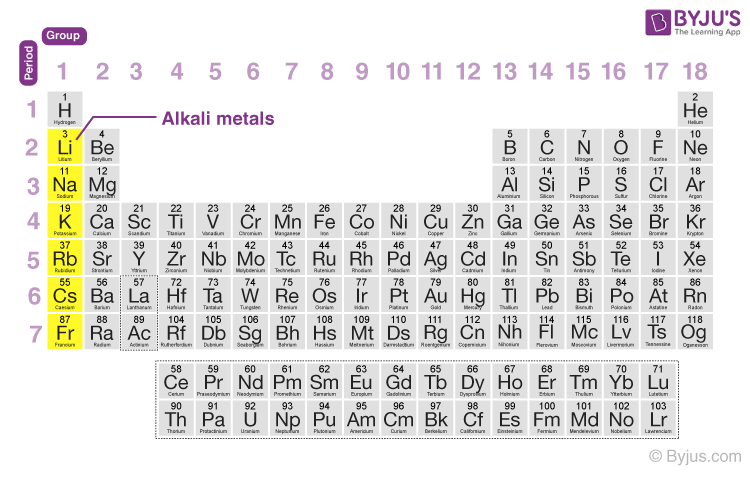
When a piece of sodium, for example, hits water, it’s like introducing a super-eager giver to a willing receiver. The sodium atom loses its electron to the water molecule. This process releases a lot of energy in the form of heat.
And what happens when you add a lot of heat to water? You get steam! That’s the visible puff you see. The hydrogen gas that’s also produced as a byproduct of the reaction can then ignite from the heat, causing that little "boom" or flame.
It’s not malice; it’s just the universe’s way of balancing the electron scales. The alkali metal achieves stability, and the other participant (like water) also gets a new configuration. It’s a chemical handshake, albeit a very energetic one.
It's All About the Balance
So, next time you see or hear about alkali metals doing their thing, remember: it’s all about that single, outermost electron. It’s the driving force behind their desperate desire to achieve a full outer shell, making them incredibly willing to give it away to anyone who needs it.
They’re not trying to be difficult; they’re just trying to find their perfect atomic equilibrium. And in their quest for stability, they create some of the most exciting and observable chemical reactions we know!