
Why Are Most Metals Ductile And Malleable
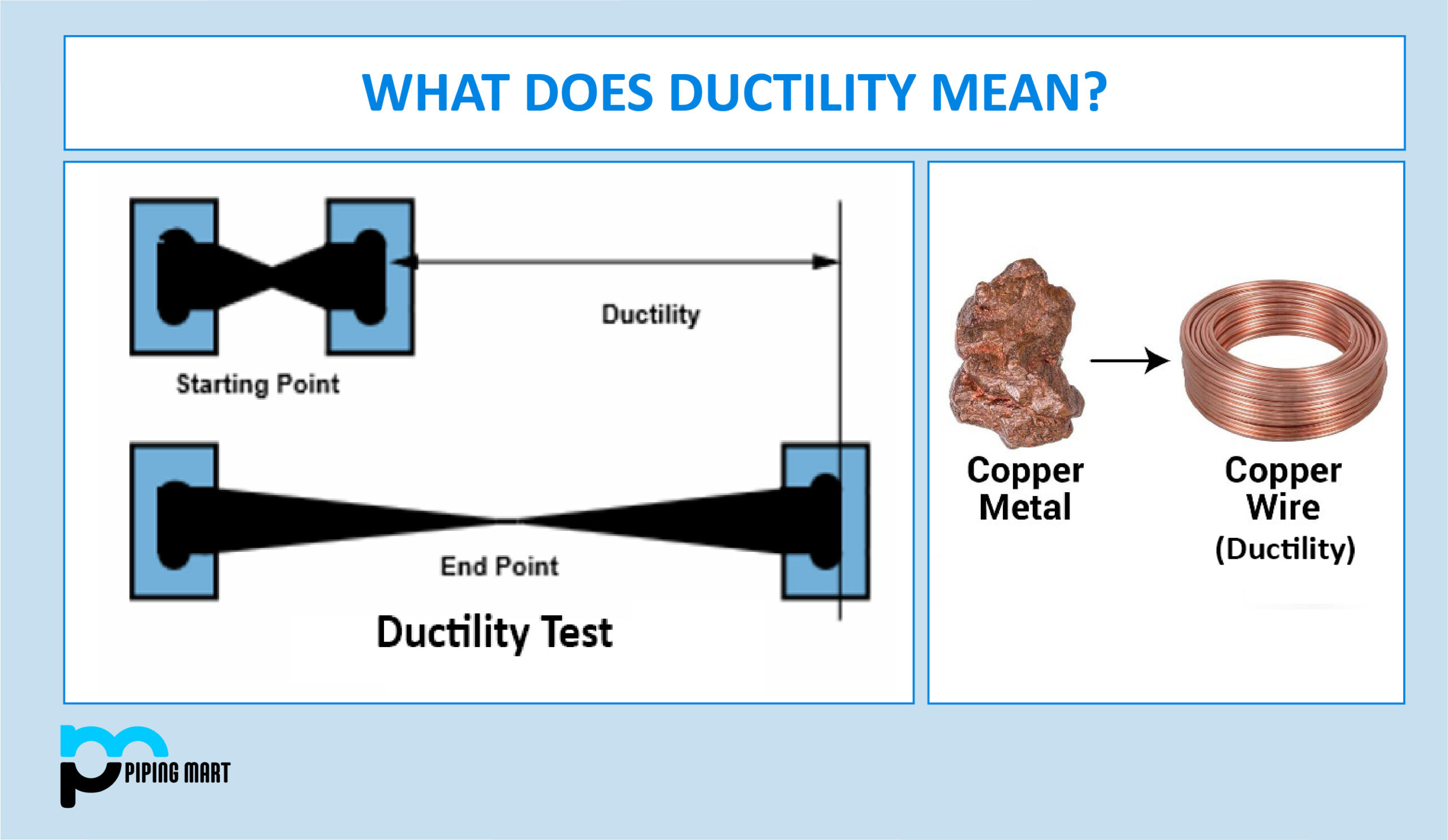
Hey there, you metal-loving marvels! Ever wonder why you can shape a tin can into a tiny sculpture (don't do that, by the way, unless it's really artistic!) or why that hammer can persuade a piece of metal to flatten out like a pancake? It all comes down to a couple of super cool properties called ductility and malleability. And guess what? Most metals are totally rocking these traits!
So, what's the big deal? Think of it this way: if you’ve ever tried to bend a piece of spaghetti, you know it snaps, right? Snap! Pasta is brittle. Metals, on the other hand? They’re more like a stretchy piece of taffy (though way more useful, obviously). They can bend, twist, and get squished without just falling apart. That’s the magic of ductility and malleability!
Let’s break it down, shall we? Imagine you’ve got a bunch of little balls all neatly arranged in a box. If you shake that box too hard, the balls might just tumble out and scatter everywhere. That’s kind of what happens with materials that aren't ductile or malleable. They're like those perfectly arranged balls – once you disturb them too much, they shatter.
But metals? Oh, they’re built differently. Their atoms are like a super chill, organized but flexible crowd. They hang out in a regular, repeating pattern, sort of like a perfectly laid-out dance floor. This arrangement is called a crystal lattice. You can picture it like tiny, repeating LEGO bricks all snapped together.
Now, here’s where the fun begins. What happens when you apply a force to a metal, like hitting it with a hammer (malleability!) or pulling on it (ductility!)? Instead of those LEGO bricks snapping apart, the layers of atoms can actually slide past each other. It's like the dancers on that dance floor can shimmy and slide without bumping into each other and causing a mosh pit of atomic destruction.
Think of it like a deck of cards. If you try to bend the whole deck at once, it’ll probably crease and maybe even tear. But if you push the cards sideways, they can slide over each other. That’s a little bit like what’s happening at the atomic level in metals. Those layers of atoms can glide along each other, allowing the metal to change shape without breaking.
Malleability: The Art of Being Squished
So, malleability is all about being able to be hammered or rolled into thin sheets. You know those shiny foil wrappers on your chocolate bars? That's malleability in action! Aluminum, for instance, is super malleable. It can be flattened into unbelievably thin sheets because its atoms can slide past each other without losing their metallic bond.
Imagine you've got a big, lumpy ball of clay. You can smoosh it, flatten it, and mold it into whatever shape you want, right? Metals are a bit like that, but on a much tinier, more organized scale. The atoms are the clay, and the sliding layers are your hands doing the squishing.
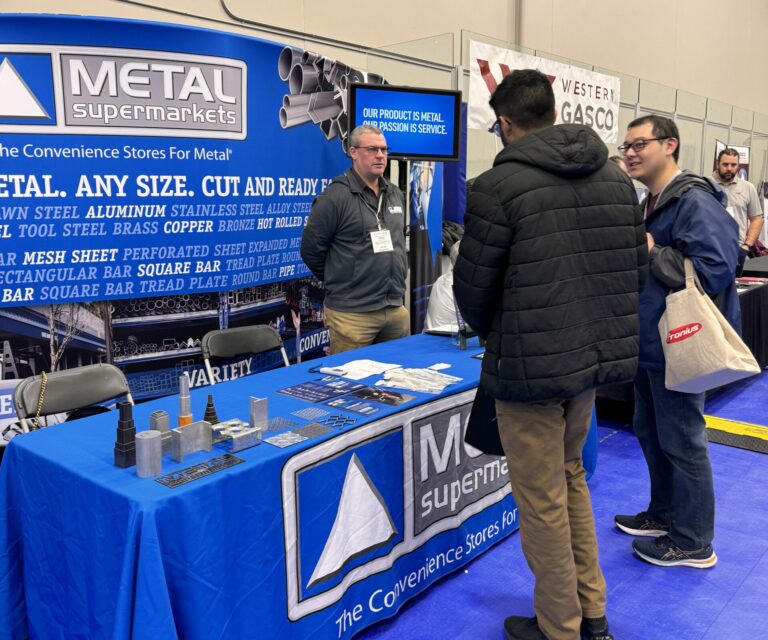
This is why we have things like sheet metal for cars, airplanes, and even those cool metal roofs on some houses. Without malleability, we’d be stuck with bulky, awkward lumps of metal that we couldn’t really do much with. Imagine trying to build a car out of solid metal cubes! Not exactly aerodynamic, is it?
And it’s not just about making big things. Malleability is also crucial for making smaller, intricate metal parts. Think of coins! They're stamped out of metal sheets. Or even the tiny components inside your phone or computer – many of those started as malleable metals that were shaped and formed.
Ductility: The Power of Being Pulled
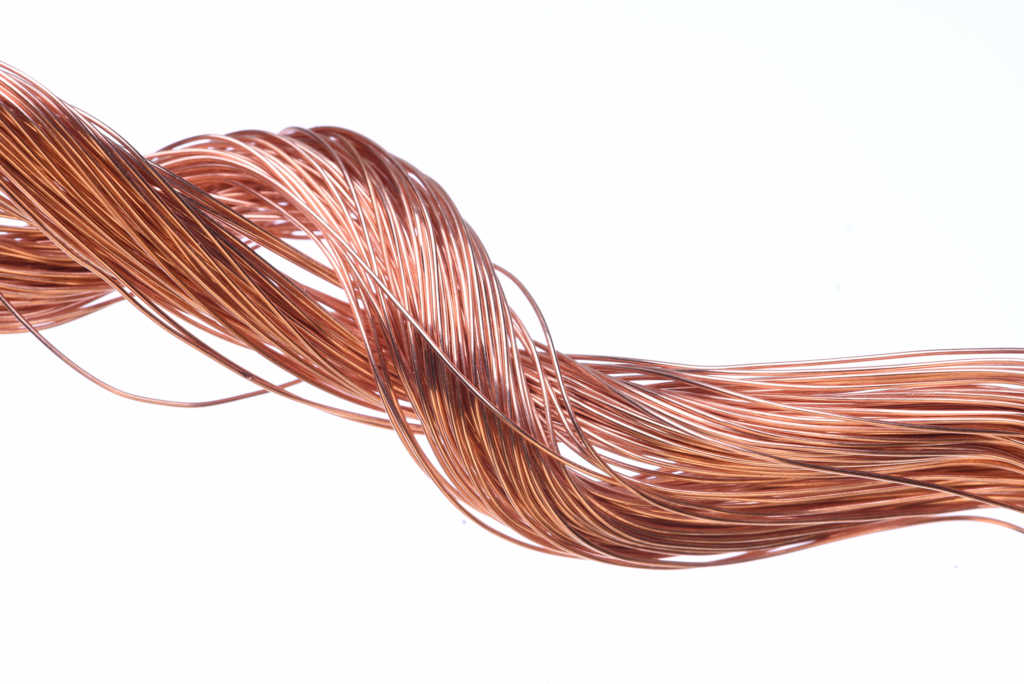
Now, let's talk about ductility. This is the ability of a material to be drawn out into a thin wire. Think of copper wire in your electrical cords, or the steel cables that hold up bridges. That’s ductility!
Why can copper be pulled into such a thin, flexible wire? Because, again, those atoms are cooperative! When you pull on a metal, the layers of atoms can stretch and slide, allowing the material to elongate without snapping. It’s like pulling a piece of chewing gum – it gets longer and thinner before it breaks (though metal doesn't get quite as sticky or sweet, thankfully).
This is why we can have miles and miles of electrical wire running through our homes and cities. Imagine if the copper had to be made in short, stubby pieces! We’d have more splices than a bad movie soundtrack. Ductility allows for continuous, long strands of wire.
It's a similar story for those strong steel cables. They are made of many thin wires twisted together, and each of those thin wires had to be ductile enough to be pulled into existence. The strength comes from the collective nature of these ductile strands, allowing them to bear immense loads.

So, What's the Secret Sauce? It's All About the Electrons!
Okay, so we know the atoms are sliding. But what makes them so willing to slide and stick together at the same time? This is where the "metallic bond" comes in. It’s like a super-glue that holds the metal atoms together, but it's a very special kind of glue.
In a metal, the outer electrons of the atoms are not tightly bound to any single atom. Instead, they form a sort of "sea" of electrons that flows freely throughout the entire metal structure. Think of it like a giant, shared swimming pool of electrons!
This "sea of electrons" is the glue that holds the positively charged metal ions (the atoms that have lost their outer electrons) together. And because these electrons are free to move, they act as a lubricant between the sliding layers of atoms. When you apply force, the atoms can shift, but the electron sea keeps them from just drifting apart completely.
It’s like a group of friends holding hands in a circle. If you push them, they can shuffle and move around each other while still maintaining their connection. The electron sea is like the shared energy and goodwill that keeps them together!
This unique bonding structure is what gives metals their characteristic properties. It's the reason they're good conductors of heat and electricity (those free electrons are really good at carrying energy!), and it's also the reason for their incredible ductility and malleability.
Why Aren't All Metals Equally Ductile and Malleable?
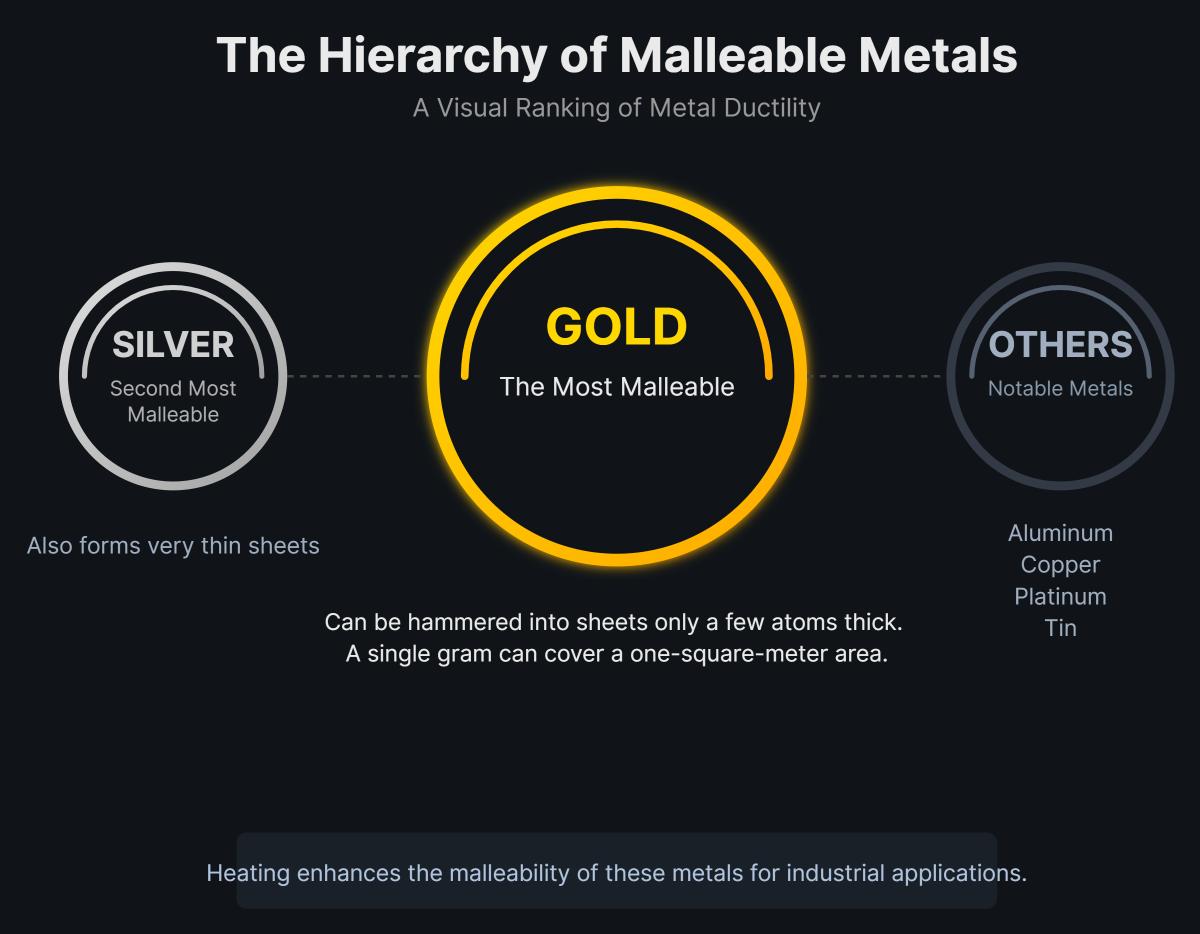
Now, you might be thinking, "If all metals have this cool electron sea, why is gold so much easier to shape than, say, iron?" That’s a fair question, and it brings us to a few finer points.
While the general principle of sliding atomic layers and the electron sea applies to most metals, the specific arrangement of atoms in the crystal lattice and the strength of the metallic bond can vary. Different metals have different sizes of atoms, and their electron clouds interact in slightly different ways.
Some metals, like gold, silver, and copper, have very flexible crystal structures and relatively weak interatomic forces. This makes them exceptionally malleable and ductile. You can almost feel how easily they yield to pressure.
Other metals, like iron, are still ductile and malleable, but perhaps a bit more resistant. They might require more force to deform. Think of trying to bend a sturdy iron bar versus a thin gold necklace – both are possible, but the effort is different.
And then there are some metals, or more commonly, alloys (mixtures of metals), that can be quite brittle. For example, cast iron, which has a high carbon content, is much less malleable and ductile than pure iron. The carbon atoms disrupt the neat, sliding layers of iron atoms, making it more prone to cracking.
So, while the fundamental reason for ductility and malleability in metals is their atomic structure and metallic bonding, the degree to which they exhibit these properties can depend on the specific metal or alloy. It's like having a band where some musicians are virtuosos on their instruments, and others are still learning the basics – they’re all playing music, but the sound is different!
The Practical Magic of Malleability and Ductility
Honestly, these properties aren't just cool science facts; they're the bedrock of so much of our modern world. From the simplest nail to the most complex skyscraper, metals' ability to be shaped and formed is indispensable.
Imagine trying to build anything without the ability to bend, twist, and flatten metal. We wouldn't have intricate jewelry, robust tools, flexible electrical wiring, or even the basic structural components that hold our cities together. It would be a very different, and probably much less comfortable, world.
Think about the ingenuity of blacksmiths throughout history. They understood these properties intuitively, using heat and hammers to transform raw metal into objects of beauty and utility. They were, in a way, the original material artists, working with the inherent malleability of their chosen medium.
Even in the realm of cutting-edge technology, these properties are vital. Nanoparticles of metals can be shaped and manipulated for use in electronics, catalysts, and even medical treatments. The ability to control their form, down to the atomic level, is a testament to the power of these fundamental metallic traits.
So, the next time you see a shiny coin, a sturdy bridge, or even just a simple paperclip, take a moment to appreciate the incredible ductility and malleability that made it possible. It's a quiet superpower that our metallic friends possess, allowing them to adapt and serve us in countless ways.
A Little Bit of Cheer for Your Day!
And you know what? There's something incredibly comforting about that, isn't there? The idea that even when faced with force, these materials don't just shatter. They yield, they transform, they find a new form. It’s a beautiful metaphor for life, in a way. We all face our own pressures and challenges, and sometimes, the strongest thing we can do is to be a little bit like metal – flexible, adaptable, and able to find a new strength in our altered shape.
So, go forth and be wonderfully ductile and malleable in your own lives! Bend when you need to, stretch when you can, and remember that change isn't always about breaking, but often about becoming something new and even more amazing. Keep shining, you brilliant, adaptable humans!