
Why Does A Train Blow Its Horn
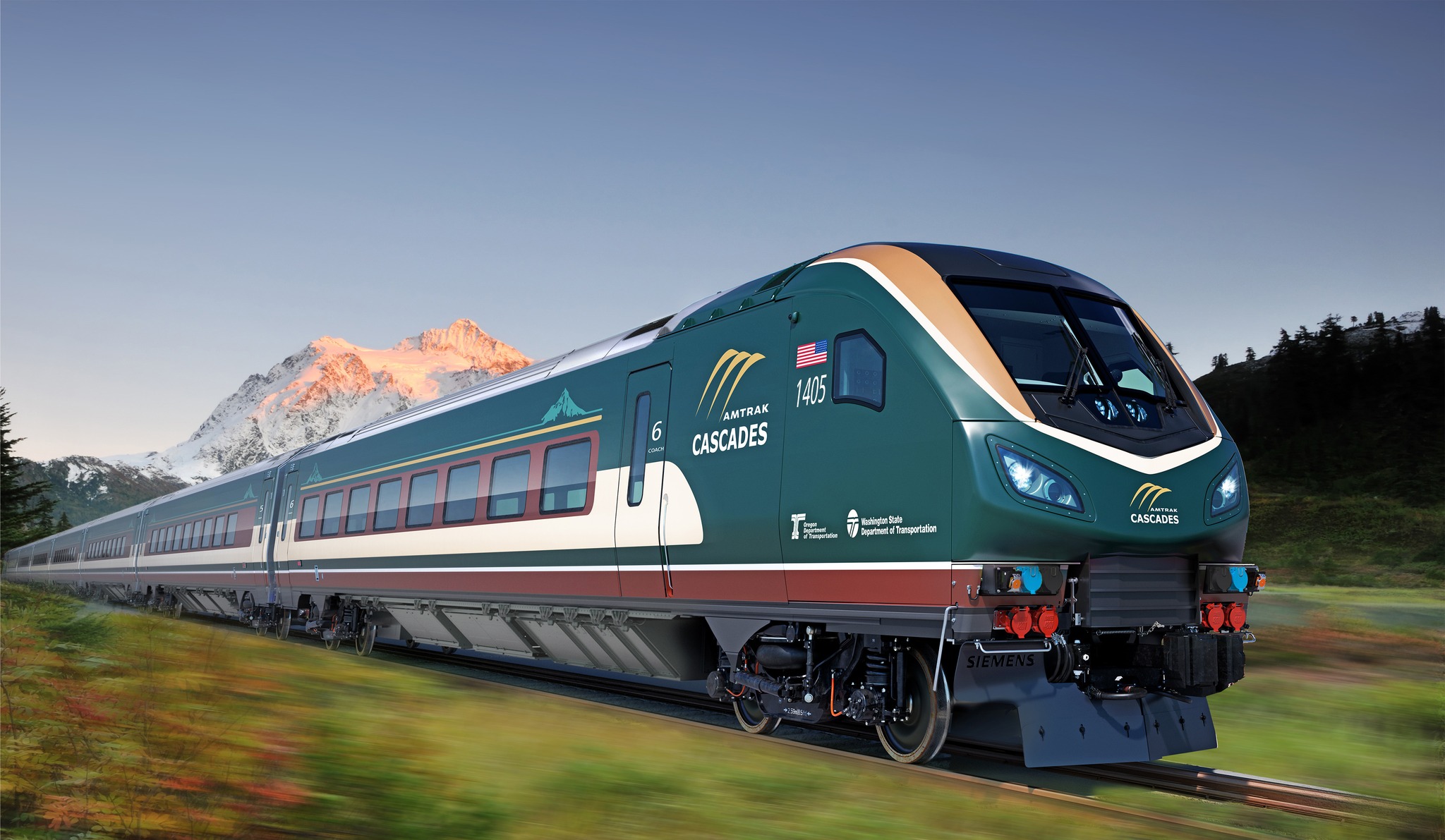
Ever been enjoying a peaceful afternoon, maybe sipping some iced tea on the porch or trying to coax your cat into a cuddle, when suddenly – HOOOONK! – a train horn rips through the quiet? It’s a sound that can startle even the most zen among us, can’t it? You might have found yourself wondering, “Why on earth do they do that? Are they just trying to annoy us, or is there a bigger reason?” Well, buckle up, buttercup, because we’re about to dive into the wonderfully practical world of why trains blow their horns. And trust me, it’s not just for a dramatic soundtrack to your day.
Think of it like this: Imagine you’re driving your car, and you’re about to cross a busy intersection. You might glance left and right, maybe even give a little tap of your own horn if someone’s being a bit too slow. A train, however, is a whole different beast. It’s massive, it’s heavy, and it takes a really long time to stop. Unlike your car, which can screech to a halt in a few seconds (if you’re lucky and not carrying a week’s worth of groceries!), a train needs a mile or more to come to a complete stop. That’s like trying to stop your toaster oven from mid-toast! So, a little honk isn't enough. They need a sound that can cut through all sorts of noise and grab attention from really far away.
The primary reason for that mighty blast is safety. It’s all about letting people and vehicles know that a train is coming. Especially at crossings, where roads intersect with train tracks, it's crucial to give everyone a heads-up. Think about those moments when you're walking along, maybe with headphones in, lost in your own little world. Or perhaps you’re in your car, humming along to your favorite song, and you’re just not paying as much attention as you should be. The train horn is like a giant, audible “Look out!” It’s a friendly (albeit loud) reminder that this powerful machine is on its way and requires your full awareness.
It’s Not Just for Fun and Games
It’s easy to think of it as a little bit of drama, a cinematic flourish. And yes, sometimes it does sound dramatic. But the rules for when and why trains blow their horns are pretty serious. There are official regulations, like the ones set by the Federal Railroad Administration here in the United States, that dictate these things. They aren’t just blowing their horns willy-nilly like a toddler discovering a new toy.
One of the most common times you’ll hear a train horn is when it’s approaching a public crossing. This is where a road crosses the train tracks. The law often requires engineers to sound their horn for a specific duration – usually around 15-20 seconds – starting a quarter-mile before the crossing. This gives drivers and pedestrians ample time to see the train, hear it coming, and react accordingly. Imagine a busy train station or a crossing in a bustling town – the noise of traffic, conversations, and daily life can easily drown out the rumble of an approaching train. The horn is their way of saying, “Hey, important arrival coming through! Please, please, please be aware!”
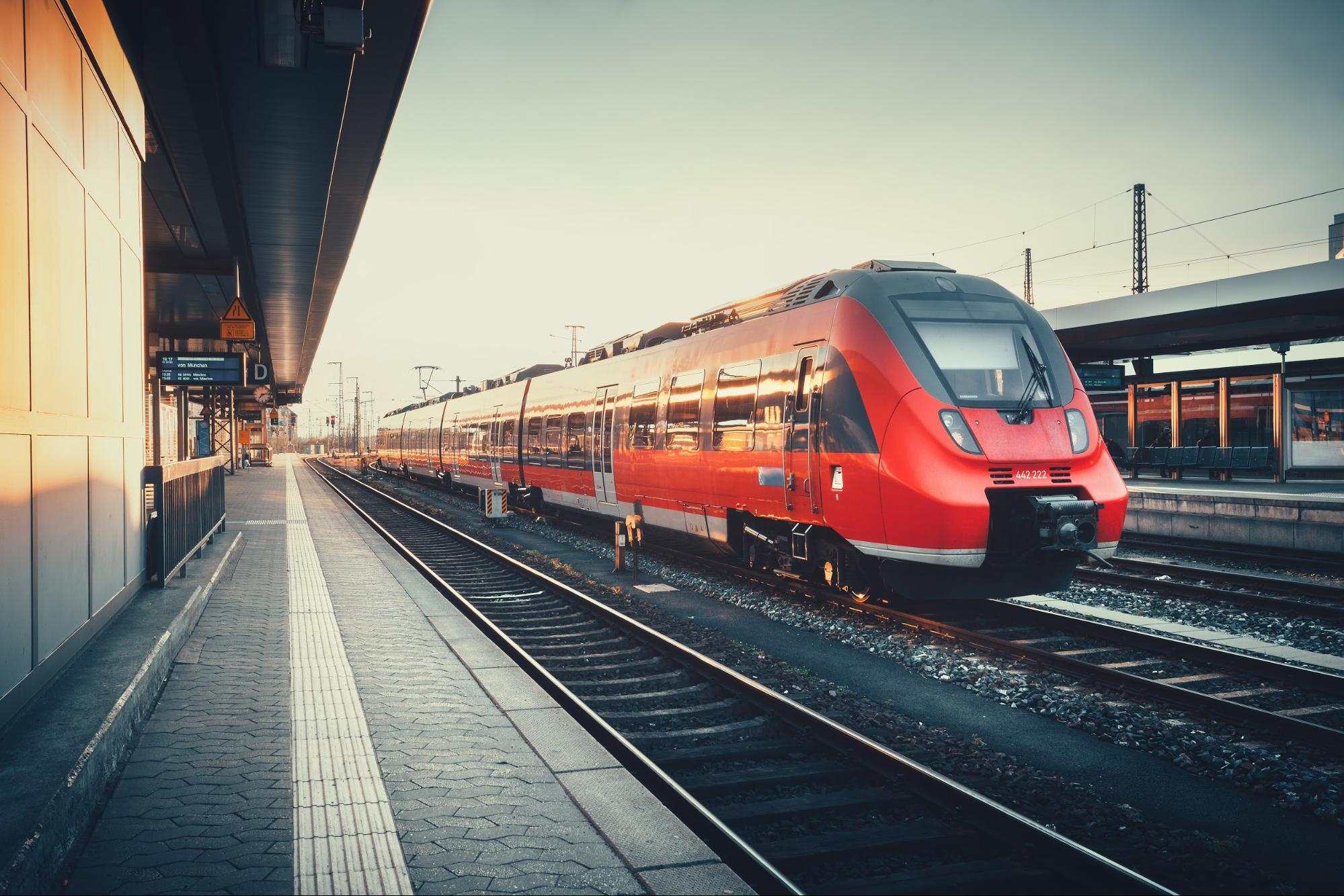
Think about it like when you’re cooking in the kitchen and the smoke alarm starts beeping. It’s annoying, sure, but its job is to get your attention immediately because there's a potential danger. A train horn serves a similar, albeit less urgent, purpose for a much larger and more powerful situation.
Beyond the Crossing: Other Reasons for the Toot
But it’s not just about public crossings. Trains blow their horns for other important reasons too. For instance, if a train is backing up, it will often sound its horn to alert people working on or near the tracks. Safety for the crew is just as important, if not more so, than public safety. Imagine a construction worker, engrossed in their task, not seeing a train slowly reversing towards them. The horn is their crucial warning system.

Another scenario? When a train is starting its journey or has to stop unexpectedly. Sometimes, they’ll blow the horn to signal their movement to other workers or to clear the path ahead. It’s a way of communicating their intentions in a loud and clear manner. It’s like when you’re trying to get your friend’s attention in a crowded room – you might wave, or if that doesn’t work, you might have to shout a little. The train horn is the ultimate shout!
And then there are those times when it feels a bit more personal. You might be walking your dog near the tracks, and the train engineer spots you and your furry friend. In many places, it’s customary (and often required) for the engineer to give a short blast of the horn as a friendly acknowledgment, a sort of “Hello there!” or “Watch out, I’m coming through!” It’s a small gesture, but it can be a nice way to connect with the human on that giant metal beast. It’s like the train giving you a little wave as it passes by, a friendly nod from afar.

Why Should YOU Care?
So, why should we, as everyday folks, care about why a train blows its horn? Because understanding it makes us better, safer, and maybe even a little more appreciative. When you hear that horn, instead of just getting annoyed, you can think, “Ah, that’s the sound of safety in action!” It’s a reminder to be present, to be aware of our surroundings, especially when we’re near train tracks.
It’s also about fostering a sense of community. These trains are a vital part of our infrastructure, moving goods and people all over the country. The engineers and conductors are working hard, often in challenging conditions, to keep things moving. That horn is a tool they use to do their job safely and effectively. So, the next time you hear it, try to see it not as an interruption, but as a crucial signal, a powerful voice on the tracks ensuring that everyone, from the person on the porch to the worker on the line, stays safe. It's a symphony of safety, really, and we're all part of the audience.
So, there you have it! The next time you hear that majestic HOOOOONK, you’ll know it’s so much more than just noise. It’s a vital part of keeping our world running smoothly and safely, one loud blast at a time. And maybe, just maybe, you’ll even find yourself smiling a little, knowing the important job that sound is doing.