
Why Does My Cat Headbutt My Hand

Picture this: you're casually scrolling through cat memes (because, let's be honest, who isn't?), your feline overlord is draped elegantly across your lap, purring like a tiny, furry engine. Suddenly, a little furry head drifts towards your hand, you feel a gentle tap, then a firm, repeated thump-thump-thump. Your cat is… headbutting you. Not aggressively, not painfully, but with this strangely insistent, almost affectionate pressure. What on earth is going on? Are they trying to tell you something? Is this a subtle threat disguised as a cuddle? Is your cat secretly practicing their boxing moves?
Yeah, I've been there. My own cat, a ginger fluffball named Marmalade (creative, I know), is a master of the headbutt. It usually happens when I'm least expecting it, like when I'm trying to delicately pick up a dropped piece of kibble or, even worse, when I'm mid-way through a really engrossing Netflix binge. Suddenly, thump. Marmalade's forehead is making friends with my knuckles. And just when I'm starting to wonder if I should be concerned about a concussion for my hand, he'll rub his cheek against it, leaving behind that unmistakable, faintly musky scent. It's enough to make you pause and think, "Okay, this is more than just random feline weirdness."
So, let's dive into the wonderfully mysterious world of the cat headbutt, shall we? Because it turns out, that little bonk on your hand is actually a pretty big deal in the cat kingdom. And luckily for us, it's overwhelmingly a good thing.
The Science Behind the Bonk: It's All About the Scents!
Alright, confession time. I used to think it was just a weird quirk. You know, like how some cats will knead your stomach with their murder mittens. But there's actually some serious feline etiquette and biology at play here. The primary reason your cat is headbutting you is to do with their scent glands.
Did you know that cats have scent glands all over their bodies? It's true! They've got them on their paws, their tail base, and, most importantly for our current discussion, on their forehead and cheeks. These glands secrete pheromones, which are basically chemical signals that cats use to communicate with each other and, believe it or not, with you.
When your cat rubs their head against you, they're essentially depositing their scent. Think of it like them leaving their personal "I was here" sticker on you. It's a way of marking you as part of their territory, their family, their tribe. And who doesn't love being part of a tribe, especially one as undeniably cool as your cat's?
"This Is My Human, And I Own Them!"
This scent marking is a really important part of how cats establish their social bonds. When they headbutt you, they're saying, "You are mine." It's not possessiveness in a negative way; it's a declaration of belonging. They're incorporating you into their scent profile, creating a communal scent that signifies safety, familiarity, and affection.
Imagine your cat as a tiny CEO of their own feline empire. And you, my friend, are their most prized employee. They're stamping your forehead with their company logo, so to speak. It's a sign of trust and deep affection. They feel secure enough around you to be vulnerable and share their unique scent. Pretty cool, right?

And the fact that they choose your hand is no accident. Your hand is often the first point of contact when you're interacting with them, whether you're petting them, offering them a treat, or just generally existing in their vicinity. It's a convenient and accessible spot for them to leave their mark.
Beyond the Scent: What Else Does That Headbutt Mean?
While scent marking is the main event, the cat headbutt is a multi-layered communication. It's not just about pheromones. There are other, equally heartwarming reasons behind this behavior.
Affection and Bonding
This is probably the one that warms our human hearts the most. A headbutt, especially when accompanied by purring and rubbing, is a clear indicator of affection. Cats don't just headbutt anyone. They reserve this special gesture for the people (and sometimes other pets) they feel safe and loved by.
It's their way of saying, "I love you. I trust you. You are my favorite person." And isn't that just the sweetest thing? It’s like they’re giving you a little love tap, a fuzzy, furry hug from their head.
Think about it: when have you last seen a stray cat approach you and initiate a headbutt? Probably never. This behavior is almost exclusively reserved for those with whom they have established a strong, positive relationship. So, if your cat is headbutting you, take it as a massive compliment. You're doing something right!
Seeking Attention
Let's be real, sometimes our cats are just attention-seeking ninjas. And the headbutt is a highly effective tool in their arsenal. If they feel you're not paying them enough attention, or if they want something (food, playtime, a good ear scratch), a gentle headbutt can be their way of nudging you back into their orbit.

It's a polite, albeit firm, way of saying, "Hey! Over here! Remember me? The adorable creature who provides you with endless entertainment and purrs?" They've learned that this particular action gets a positive response from you – usually in the form of pets and cooing – so they use it strategically. And who can blame them? It's a win-win: they get attention, and you get more adorable cat interaction.
Comfort and Security
For some cats, the act of headbutting can be a self-soothing behavior. When they're feeling a little anxious or overwhelmed, rubbing their scent on familiar things – like you – can help them feel more grounded and secure. It's a way of reinforcing their sense of belonging in a sometimes-confusing world.
It's like they're wrapping themselves in a familiar, comforting scent – their own, mixed with yours. This creates a "home scent" that reassures them. So, if you notice your cat headbutting you more often when there are new noises, visitors, or changes in the household, they might just be seeking a little extra reassurance from their favorite human.
Greeting Ritual
Think of the headbutt as a formal feline greeting. When you come home, or when your cat wakes up and sees you, they might greet you with a headbutt to acknowledge your presence and re-establish their connection with you.
It's their way of saying, "Welcome back! I missed you! Let's reaffirm our bond." It’s a more intimate and personal greeting than a simple meow or a tail flick. It’s a physical affirmation that you are a significant part of their world. And if that doesn't make you feel special, I don't know what will.
Are There Different Types of Headbutts?
Oh, absolutely! Just like humans have different ways of expressing themselves, so do cats. You might notice subtle variations in their headbutting technique, and each can mean something slightly different.

The Gentle Nudge
This is your classic, everyday headbutt. A soft, almost tentative bump. This is usually pure affection and a request for attention. It's the equivalent of a gentle pat on the arm.
The Firm Thump (My Marmalade's Favorite!)
This is the one I mentioned earlier. It's a more deliberate and repeated pressure. This can be a stronger declaration of ownership and affection, or it can be a more insistent plea for attention. They want to make sure you really get the message.
The Cheek Rub and Headbutt Combo
This is the full-package deal! They’ll rub their cheek against you first, depositing scent, and then follow up with a headbutt. This is a very thorough scent-marking and affection-boosting maneuver. They are going all in on this one!
The "Accidental" Bump
Sometimes, it might seem like they just bumped into you. But often, even these "accidents" are intentional. They might be trying to get your attention without being overtly demanding, or they might be incorporating your scent into their own as they pass by.
What If My Cat Doesn't Headbutt Me?
Okay, so now you know all the wonderful reasons why your cat might be headbutting you. But what if yours is more of a 'hands-off' kind of feline? Should you be worried? The short answer is: probably not.
Every cat is an individual. Their personalities, their upbringing, and their past experiences all play a role in how they interact with the world. Some cats are naturally more physically affectionate than others. Some might be a bit more reserved, or perhaps they express their affection in different ways.
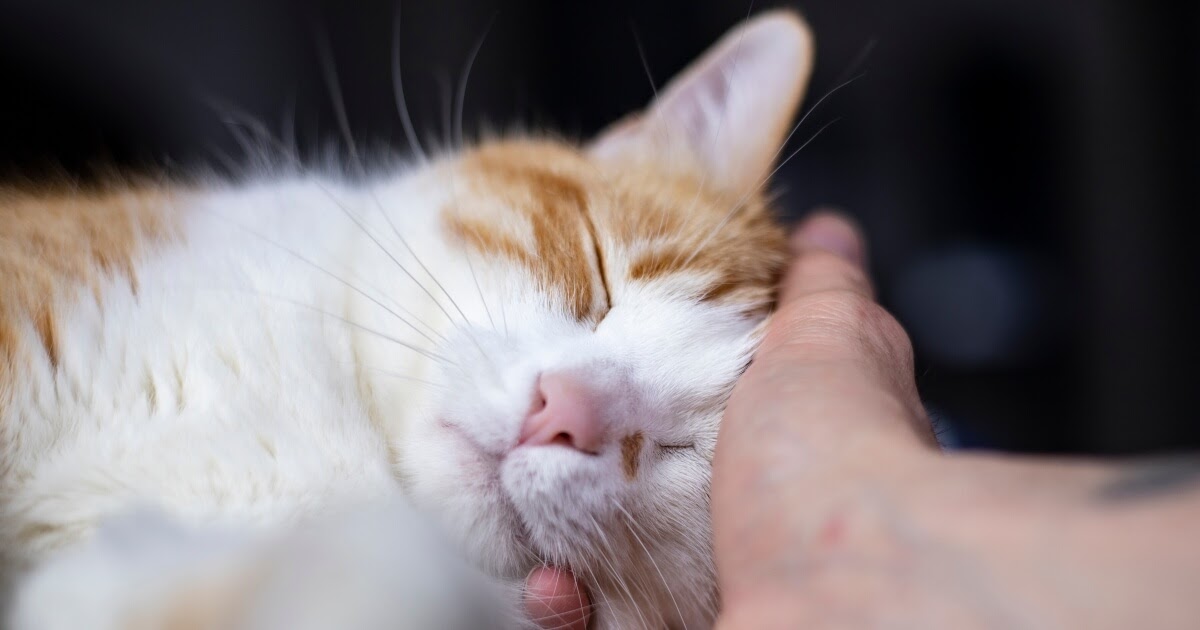
Maybe your cat shows their love by following you everywhere, or by bringing you "gifts" (dead mice, anyone?), or simply by choosing to nap in the same room as you. These are all valid expressions of feline love and trust. Don't compare your cat to a hypothetical, headbutt-obsessed feline ideal. Appreciate your cat for who they are.
However, if your cat has suddenly stopped headbutting you, or if their behavior has changed dramatically in other ways (lethargy, loss of appetite, hiding), then it's always worth a quick chat with your veterinarian. A sudden change in behavior can sometimes indicate an underlying health issue.
How Can I Encourage More Headbutts? (If You Really Want To!)
While you can't force a cat to headbutt you (that would be weird, and probably ineffective), you can certainly create an environment where they feel comfortable and encouraged to show their affection.
- Create a safe and loving environment: This is the most important thing. Make sure your cat feels safe, secure, and loved. Provide them with comfortable resting spots, engaging toys, and consistent routines.
- Spend quality time together: Play with your cat, groom them, or just sit quietly with them. The more positive interactions you have, the stronger your bond will become.
- Respond positively to their advances: When your cat does headbutt you, respond with gentle petting and soft vocalizations. Let them know that their gesture is appreciated.
- Offer gentle scritches: Many cats enjoy scritches around the base of their ears and chin. When you're petting them in these areas, they might reciprocate with a headbutt.
- Don't force it: Again, never force your cat to interact with you. Let them come to you on their own terms. Forcing affection can be counterproductive.
Essentially, being a good cat parent is the best way to encourage any kind of positive interaction, including headbutts. Your cat is showing you trust and affection; your job is to reciprocate that love in a way that makes them feel safe and happy.
In Conclusion: A Sign of Deep Affection
So, the next time your cat decides your hand is the perfect place for a little cranial percussion, don't just brush it off as a random cat quirk. Recognize it for what it truly is: a profound sign of trust, affection, and belonging. They are marking you as their own, integrating you into their scent world, and telling you, in their own special way, that they love you.
It’s a subtle yet powerful communication, a testament to the unique bond we share with these enigmatic creatures. Embrace the headbutt. Cherish it. Because in the grand scheme of cat-human relationships, it's one of the sweetest, fuzziest compliments you can possibly receive. Now go forth and get bonked – you've earned it!