
Why Does My Kitten Keep Biting And Scratching Me
:strip_icc()/control-kitten-scratching-biting-554830_FINAL-84ee01be16584be2a4f51357a621c3d7.jpg)
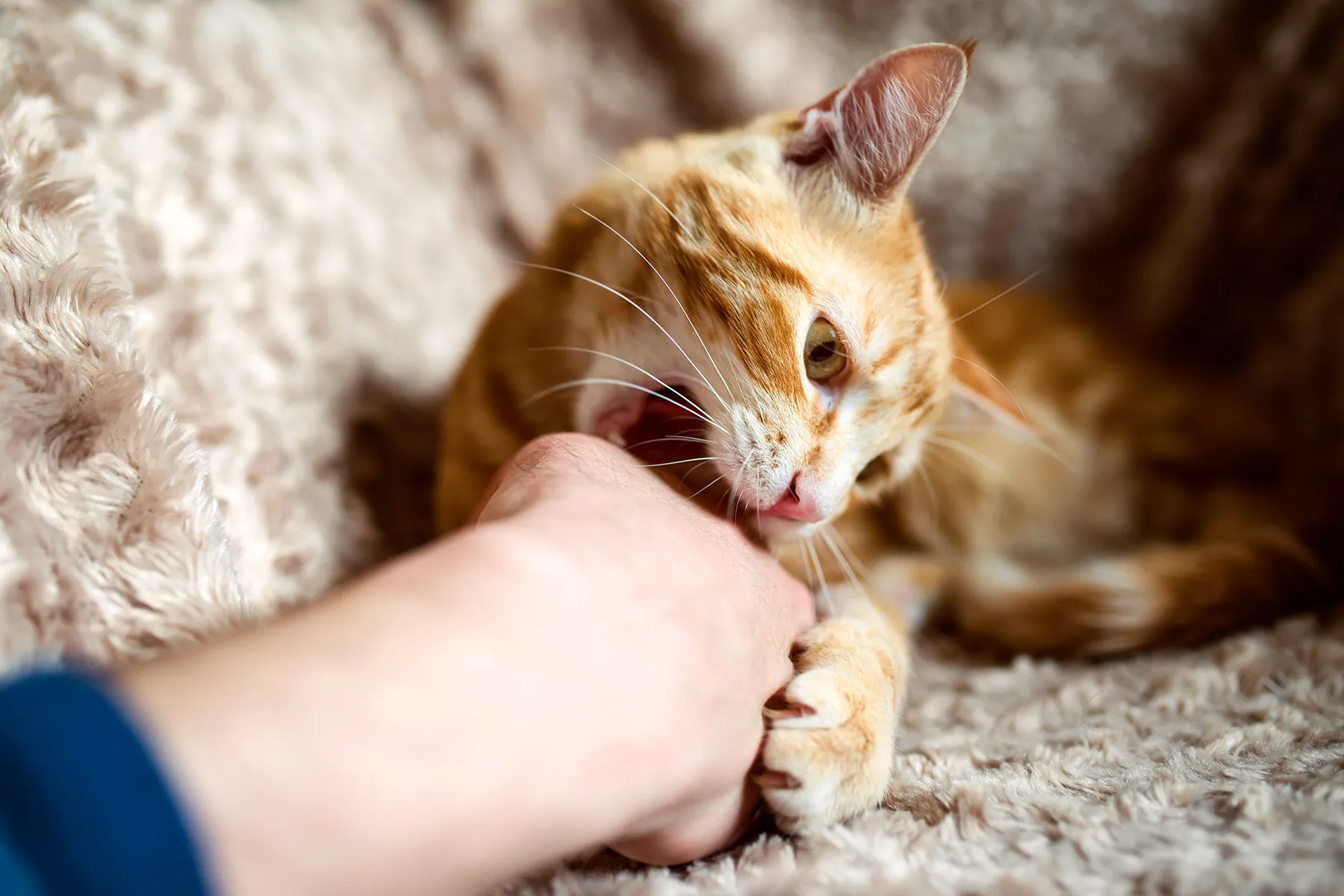
Ah, the kitten. That tiny, fluffy ball of pure joy and…well, sharp little teeth and even sharper little claws. If you've recently welcomed a new feline overlord into your home, you've probably experienced the whirlwind of adorable antics. But then comes the biting. And the scratching. Everywhere. Your fingers, your ankles, that brand new sofa you just bought. You might be sitting there, sporting a few battle scars and wondering, "Seriously, why is my tiny tiger attacking me?"
Let’s dive into the wonderfully weird world of kitten behavior, shall we? It’s less about malice and more about… well, being a kitten. Think of it as their energetic, adorable way of navigating their new, humongous world. They're not plotting world domination, they're just trying to figure things out, one playful pounce at a time.
It's All About Play, Play, Play!
This is, by far, the most common reason your little fluffball is treating your hand like a live-action Mario enemy. Kittens are born with an innate instinct to hunt and play. This is how they develop essential skills, practice their pouncing, and learn how to interact with their environment. And guess what? You, with your wiggly fingers and dangling shoelaces, are the most exciting toy they’ve got.
In the wild, or even just with their littermates, kittens spend hours wrestling, chasing, and ambushing each other. They learn bite inhibition – how hard is too hard. But when they’re the only kitten (or their siblings are off napping), you become the substitute. It’s like they’re starring in their own personal action movie, and you’re the co-star who also provides the snacks.
Think of it this way: if you were raised in a world where your toys were soft, warm, and responded to your every move, wouldn’t you want to explore them with everything you’ve got? Their tiny bodies are built for action, and your hands are just so… interactive.
The "Ouch!" Factor: Teaching Bite Inhibition
This is where we humans come in. When your kitten bites too hard, it’s our job to teach them that this level of play isn't quite right for human interactions. Their mama cat would have likely given them a little hiss or a gentle nip back if they got too rowdy. We need to replicate that, but in a humane and effective way.
The key is to be consistent and immediate. The moment those teeth sink in a little too deep, let out a sharp, high-pitched "Ouch!" or a yelp. Don't be dramatic, but make it clear that the game has stopped because of their action. Then, immediately withdraw your hand and stop playing for a minute or two. This teaches them that biting leads to the end of fun. It's the feline equivalent of a timeout.
Fun Fact: Studies have shown that kittens learn bite inhibition much more effectively from their mothers and littermates than from humans. This is because cats communicate a lot through subtle body language and vocalizations that we might not always pick up on. So, while your "Ouch!" is important, observing their interactions with other cats (if you have them) can also offer clues.

Avoid the common mistake of wiggling your fingers more when they bite. This just encourages them! It’s like saying, "Oh, you like this game? Let's make it even more exciting!" Instead, stay still or gently pull away. Consistency is your best friend here. Every time they bite too hard, the same reaction. They’re smart cookies, they’ll get it.
Scratching: It's Not Personal, It's Instinctual
Ah, the dreaded scratch. That quick, darting movement that can leave a surprising sting. Just like biting, scratching is a completely natural and necessary behavior for kittens. They do it for several reasons:
- To Sharpen Their Claws: Cats have retractable claws, and scratching helps them shed the old, dull outer layers, revealing fresh, sharp ones underneath. Think of it like a manicurist’s dream, but for their own paws.
- To Mark Their Territory: Cats have scent glands in their paws. When they scratch, they leave both a visual mark and a scent mark, claiming their space. It’s their way of saying, "This couch? Mine. This rug? Mine. Your favorite sweater? Definitely mine."
- To Stretch: Scratching provides a great full-body stretch, allowing them to extend their back, shoulders, and leg muscles.
- To Relieve Stress or Excitement: Sometimes, a good scratch is just cathartic. It can be a way for them to release pent-up energy or to cope with a bit of anxiety.
So, your kitten isn't trying to destroy your belongings out of spite. They're just being a cat. The trick is to redirect that natural instinct to appropriate scratching surfaces.
The Power of the Scratching Post
This is non-negotiable. If you don't have a scratching post, get one immediately. And not just any scratching post. Kittens, especially, are drawn to different textures and types. Some love sisal rope, others prefer carpet, and some even enjoy cardboard. Experiment to see what your kitten likes best.
Place scratching posts in prominent areas where your kitten likes to hang out and, crucially, where they are already attempting to scratch. If they’re eyeing the corner of your sofa, that’s where the scratching post needs to go. You can even make them more enticing by dangling a toy on them or spraying them with catnip spray (if your kitten responds to it).
:max_bytes(150000):strip_icc()/aggression-towards-people-551796-hero-71a0560401264e10ad8c87456712b888.jpg)
When you catch your kitten scratching the furniture, gently pick them up and redirect them to their scratching post. Praise them enthusiastically when they use it. Treats and verbal encouragement go a long way. It’s all about positive reinforcement. Make the right choice rewarding.
Cultural Reference: In ancient Egypt, cats were revered and considered sacred. While we might not worship our kittens with offerings of milk and fish (though some of us come pretty close!), understanding their ancestral behaviors helps us appreciate their instincts. Scratching and playful biting are deep-rooted parts of their evolutionary heritage.
When Kittens Are Overstimulated
Sometimes, the biting and scratching can be a sign that your kitten is simply overstimulated. Think of them as tiny sponges, absorbing all the new sights, sounds, and textures of your home. Too much petting, too much roughhousing, or even just too much excitement can cause them to become overwhelmed and resort to biting or swatting as a way to create some space or to signal "enough!"
This is especially true during longer petting sessions. If you notice your kitten’s tail starting to twitch, their ears flattening, or their body tensing up, it's a sign they're reaching their limit. Stop petting them before they feel the need to tell you themselves with a nip.
Pro Tip: Pay attention to your kitten's body language. They're constantly communicating with you. A flicking tail can mean excitement or annoyance. Wide eyes might be curiosity or fear. Learning to read these subtle cues will help you avoid overstimulation and prevent those sharp little reminders.
If your kitten seems to get overexcited during play, try to end the session on a calm note. Instead of a wild chase, maybe finish with a gentle petting session or offer them a puzzle toy to engage their mind. This helps them wind down more effectively.
Boredom: The Enemy of Good Behavior
A bored kitten is an inventive kitten. And sometimes, their invention involves using your ankles as a brand new chew toy. Lack of sufficient stimulation can lead to destructive or attention-seeking behaviors, including biting and scratching.
Kittens need enrichment. This means providing them with opportunities to exercise their minds and bodies. Toys are great, but they shouldn't be the only answer. Interactive play sessions with you are crucial. Rotate their toys to keep things interesting. A new toy every now and then can be a game-changer.
Consider puzzle feeders or treat balls. These engage their natural hunting instincts and make mealtime more stimulating. They're a fantastic way to keep a kitten occupied and out of trouble.
Fun Fact: Cats spend a significant portion of their day hunting and exploring in the wild. When they live indoors, it's our responsibility to provide them with outlets for these natural behaviors. It's not just about keeping them from being destructive; it's about their overall well-being and happiness.
:strip_icc()/control-kitten-scratching-biting-554830-hero-70f611ca120342bfa1b32352b3f435b0.jpg)
Think about setting up a "cat highway" with shelves on the wall, or providing a variety of perches and hiding spots. The more they can explore and engage with their environment, the less likely they are to focus their energy on your less-than-ideal playmates.
A Quick Note on Kittens and Other Pets
If you have other pets, especially older cats, your kitten’s biting and scratching might also be their way of trying to initiate play with them. Older cats may not appreciate the boisterous advances of a tiny kitten. They might give a warning hiss or a gentle swat. Your kitten, still learning, might misinterpret these signals or simply persist. Supervised introductions are key here. Allow your kitten to interact with other pets under your watchful eye, and intervene if the play becomes too rough for any party involved.
When to Seek Professional Help
While biting and scratching are normal kitten behaviors, there are times when it might be something more. If the biting is particularly aggressive, accompanied by hissing, growling, or a fearful demeanor, or if it’s happening constantly and you can’t seem to redirect it, it might be worth consulting your veterinarian or a certified feline behaviorist. There could be underlying medical issues or deeper behavioral problems at play. However, for the vast majority of us, these are simply the growing pains of raising a kitten.
Remember: It takes time, patience, and consistency. Your kitten is learning about the world and about you. Your consistent, gentle guidance is what will shape their behavior into the well-adjusted, loving companion you dream of.
A Moment of Reflection
Isn't it funny how much these tiny creatures mirror our own lives? We, too, were once new to this world, fumbling our way through, learning to communicate, and figuring out boundaries. Our kitten’s little nips and scratches are their way of expressing themselves, of learning, and of connecting. And in trying to understand and guide them, we learn a little more about patience, about empathy, and about the profound joy of building a relationship, one playful swat and gentle purr at a time. So, the next time your kitten decides your hand is the ultimate scratching post, take a breath, channel your inner Zen master, and remember that this fleeting phase is part of the beautiful, messy, and utterly rewarding journey of kittenhood.