
Why Does My Stanley Taste Like Metal
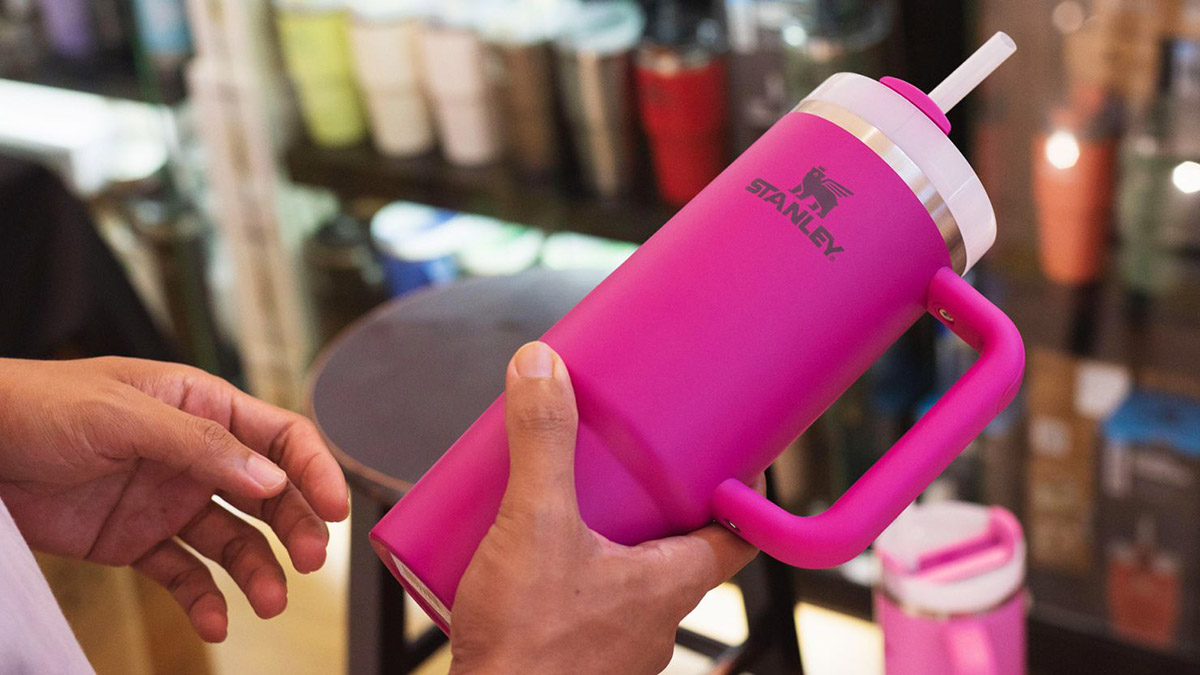
Oh, the beloved Stanley tumbler! It’s more than just a water bottle; it’s a lifestyle accessory, a hydration companion, and for many, a coveted status symbol. From keeping your iced coffee frosty for hours on end to being the go-to vessel for your morning green juice, these sturdy tumblers have taken the world by storm. But lately, a perplexing question has been bubbling up amongst its devotees: “Why does my Stanley taste like metal?” It’s a common query, and while it might sound a bit… well, metallic, understanding the science behind it can actually be quite fascinating and, dare we say, fun to explore!
The primary purpose of a Stanley tumbler, much like any high-quality insulated container, is to maintain the temperature of your beverages for extended periods. Whether you’re battling the summer heat with an ice-cold drink or seeking warmth on a chilly morning with hot coffee, Stanley’s legendary insulation technology delivers. They achieve this marvel through vacuum insulation. Essentially, there are two layers of stainless steel with a vacuum sealed in between. This vacuum is a superior insulator, preventing heat from escaping or entering, thus keeping your drinks just the way you like them.
But what about that lingering metallic tang? It’s a surprisingly frequent complaint, and it boils down to the very material that makes these tumblers so durable and effective: stainless steel. Specifically, it’s the 18/8 food-grade stainless steel that Stanley typically uses. This material is chosen for its resistance to corrosion and its non-reactive properties, meaning it’s generally safe for food and beverages. However, it's not entirely inert. Sometimes, especially with new tumblers or when exposed to certain liquids or conditions, there can be a subtle interaction that leads to that metallic taste.
One of the main culprits is the passivation layer on the stainless steel. Stainless steel gets its “stainless” quality from a thin, invisible layer of chromium oxide that forms on its surface. This layer protects the metal from rust and corrosion. However, this layer can sometimes be slightly compromised during manufacturing or shipping, or it can react with certain substances. When this happens, the metal itself can subtly leach into your drink, particularly if the drink is acidic or has a strong flavor profile. Think of your morning OJ or a tart lemonade – these are more likely to pick up that metallic note than plain water.
Another factor to consider is the manufacturing process. While rigorous quality control is in place, there can occasionally be trace residues left over from the production line. These might include oils or polishing compounds. If not thoroughly washed before the first use, these residues can contribute to an off-taste, often described as metallic or even chemical-like. This is why the initial cleaning of your new Stanley is so crucial. It’s not just about hygiene; it’s about optimizing your drinking experience from the very first sip.

Then there’s the idea of oxidation. While stainless steel is highly resistant, it's not immune to oxidation over time, especially if exposed to prolonged moisture or certain chemicals. This gradual process can, in some cases, contribute to a metallic taste developing. Think of it like a very, very slow reaction that’s happening on a microscopic level.
The type of liquid you’re drinking also plays a significant role. As mentioned, acidic beverages are more prone to interacting with the stainless steel. Even things like coffee and tea, which have their own inherent flavors and acidity, can sometimes amplify the metallic taste. Conversely, plain water, especially if it's already filtered or has a neutral pH, is less likely to trigger this reaction.

And let’s not forget about cleaning habits. If your Stanley isn't cleaned thoroughly and regularly, lingering residue from previous drinks, or even the dish soap you use, can contribute to off-flavors. Certain cleaning agents, if not rinsed properly, can leave their own subtle taste. Some materials used in dish sponges can also leave behind microscopic particles that might be perceived as metallic.
So, what’s the good news in all this? For the most part, that metallic taste is harmless. The 18/8 food-grade stainless steel is designed to be safe for consumption. The taste is usually a matter of sensory perception rather than a health concern. It's an inconvenience that detracts from the enjoyment of your beverage, but it's rarely a sign of your tumbler being unsafe.

The most common and effective solution? A good, thorough cleaning! For a new tumbler, a deep clean with warm water, mild dish soap, and a bottle brush is essential. For persistent tastes, try a mixture of baking soda and water left to sit for a few hours or overnight. This gentle abrasive and deodorizer can work wonders. Some people swear by using a bit of vinegar diluted in water, or even dedicated bottle cleaning tablets. The key is to ensure all residue is removed and the passivation layer is allowed to establish itself properly.
It's also worth noting that the taste can sometimes be a result of the plastic lid or straw, if your model has them. These materials can sometimes absorb flavors or develop their own unique smell. Keeping these components clean, or even replacing them if they seem to be the source, can make a difference.
In the grand scheme of things, a Stanley tumbler’s primary function is to enhance your hydration experience. While that fleeting metallic taste can be a minor annoyance, understanding its origins can empower you to tackle it. It’s a small price to pay for the incredible insulation and durability these tumblers offer. So, next time you catch that hint of metal, you’ll know it’s likely just a natural interaction with the awesome stainless steel that makes your Stanley so special. A good scrub, perhaps a baking soda soak, and you’ll be back to enjoying your favorite drinks, metal-free!