
Why Does This Bee Keep Following Me

So, you’re just trying to enjoy a nice, quiet moment. Maybe you’re sitting on your porch with a cup of tea, or perhaps you’re admiring a pretty flower in your garden. Suddenly, you notice it. A little buzzing presence. And it’s… following you. Yep, a bee. Just drifting along, right on your heels. What’s up with that?
It’s a question that pops into a lot of our minds, isn't it? You’re not doing anything to it, you’re not trying to steal its honey (if it even had any to steal!), so why the persistent paparazzi behavior? It can feel a little unnerving at first, like you’ve been selected for some kind of aerial surveillance by the insect world. But honestly, most of the time, there’s a perfectly logical, and actually pretty cool, explanation.
Is It Just Me, Or Is This Bee Stalking Me?
Let’s get this out of the way first: bees aren’t usually out to get you. They’re busy little creatures, driven by instinct and the need to collect nectar and pollen. So, when one decides to take a special interest in your personal bubble, it’s rarely personal. Think of it less like a villain following the hero and more like a tourist with a really good sense of direction who’s accidentally stumbled upon something interesting.
Sometimes, it’s as simple as mistaken identity. Bees have incredible senses, and they’re constantly processing information. Maybe you’re wearing a brightly colored shirt, or you’ve got a scent on you that reminds them of something they’re looking for. It’s like they’re thinking, "Hmm, that looks a bit like a flower," or "Ooh, that smells like a promising source of sweetness."
Consider your perfume, your laundry detergent, or even just the way the sunlight hits your hair. These can all be signals to a bee. They’re not sophisticated detectives, mind you. They operate on simpler cues. It’s like if you smelled freshly baked cookies; you’d be drawn to the source, right? A bee experiences the world through a different set of senses, but the principle is similar.
The Sweet Smell of… You?
This is where things get really interesting. Bees are attracted to certain scents, and guess what? Some of those scents can be found on us! Things like floral-scented lotions or shampoos can be a big draw. They might be trying to investigate if you’re a walking, talking bouquet. It’s a compliment, really, in a very buzzy way.
And then there are the accidental attractants. If you’ve been eating something sweet, or even just have a bit of sugary drink residue on your hands, that’s a beacon. They’re not looking for a full meal, but a tiny drop of something sweet is like finding a surprise penny on the sidewalk for them. It’s a little bonus, a quick sip of energy.
Think about it: you’re out and about, and you’ve just had a soda. Your hands might have a faint stickiness. To a bee, that’s a potential sugar source. They’re not going to land and start a picnic, but they might hover for a moment, curious to see if they can get a taste. It’s a bit like when a dog sniffs around your picnic blanket – they’re just interested in what’s on offer.
Are You Just Too Interesting to Ignore?
Beyond smells, there are other reasons a bee might stick around. Perhaps you’re standing near a flower patch or a flowering bush. The bee might have been visiting those flowers and you’ve simply entered its usual territory. It’s not following you specifically, but rather, it's just continuing its work in an area where you happen to be.
It’s like when you’re walking down a street and someone else is also walking. You might be walking in the same general direction for a while. You’re not actively following them, and they’re not actively following you; you’re just both heading towards the same general vicinity. A bee might be doing the same, its programmed route intersecting with yours.
Also, consider your movements. Are you waving your arms around? Bees can be sensitive to rapid movements. While they’re not aggressive, a sudden swat might make them perceive a threat. So, if you’re feeling followed, try to stay calm and move slowly. This can actually help them lose interest and go back to their important bee business.
The Heat is On (For Them, Anyway)
Here’s another fascinating tidbit: bees are attracted to heat! If you’ve been out in the sun, your body temperature is likely higher than the surrounding air. Bees can sense this warmth. It might be a signal that you’re a living, breathing organism, and perhaps a source of warmth that could be beneficial in cooler weather, though this is less common than scent attraction.

It’s not like they’re trying to use you as a personal heater, but it’s another sensory input that can draw their attention. Imagine it as a subtle magnetic pull. They’re not necessarily thinking, "I want to cuddle with that warm human," but more along the lines of, "Hmm, that area is radiating a bit of warmth. Interesting."
This is especially true if the ambient temperature is cooler. On a brisk morning, your body heat might be more noticeable. It’s another one of those curious quirks of their incredible sensory systems that we often don't even think about.
What to Do If a Bee Is Following You
First and foremost, don't panic. Bees generally only sting when they feel threatened. So, if you start flailing and swatting, you’re actually increasing your chances of getting stung.
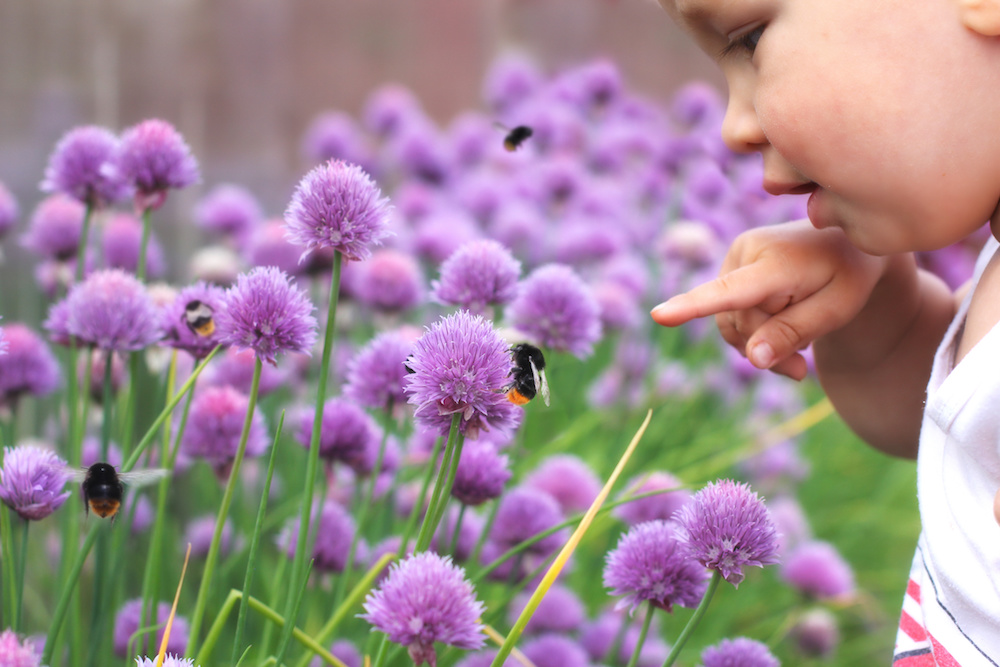
The best strategy is usually to move slowly and calmly away from the area. Walk into shade or a building. If you have a water source nearby, gently splashing water might also deter them. They’re not going to chase you down like a predator; they have much more important things to do.
Think of it as giving them a polite "no thank you." You’re not saying you dislike bees; you’re just saying, "I’m not the flower you’re looking for." And most of the time, they’ll get the hint and buzz off to find more suitable nectar or pollen sources.
So, the next time you find yourself with a tiny, buzzing escort, remember it’s likely a sign of curiosity, a sensory misinterpretation, or just a happy accident of proximity. It’s a little peek into the amazing world of these essential pollinators, and a reminder that even in the mundane moments, nature can offer up some truly interesting surprises. It’s not a chase scene from an action movie; it’s just a bee, doing its bee thing, and you, being you, and sometimes, those two paths just happen to cross for a moment.