
Why Is Metal A Good Conductor Of Electricity

Ever wondered why those shiny power lines are made of metal, or why your phone charger cable has that metallic gleam? It’s not just for looks, folks! Metal is, like, super good at letting electricity flow. But why? What’s the secret sauce that makes metal such a champion conductor?
Let’s dive in, nice and easy, and explore the fascinating world of electrons and how they party in metal. No need for a physics degree here, just a bit of curiosity!
The Electron Dance Party!
So, think about what electricity is. At its heart, it's the movement of tiny little things called electrons. Imagine them as super energetic partygoers, zipping around. When we talk about electricity flowing, we’re basically talking about these electrons getting together and going on a big, organized road trip.
Now, why are metals so good at hosting this road trip? It all comes down to how their atoms are arranged. Picture atoms as tiny solar systems, with a nucleus in the center and electrons orbiting around it like planets. In most things, these electrons are pretty tightly held by their nucleus, like a dog on a very short leash.
A Sea of Freedom!
But in metals, things are different. The atoms are packed together in a really organized way, kind of like a super-tidy stack of cans. And here’s the cool part: their outermost electrons, the ones that are kind of on the edge of the atomic solar system, are not so tightly held. They’re more like… let’s say, free-range electrons.
Instead of being stuck with their own atom, these outer electrons break free and can roam around the entire metal structure. Think of it like a massive, open-plan apartment building where all the residents can wander into any room they please. This creates what scientists call a "sea of electrons". It’s not a real ocean, of course, but it’s a great way to visualize it: a vast expanse where electrons are free to move.
This "sea of electrons" is the key. When you apply an electrical voltage (which is like a gentle nudge or push) to a metal, these free-range electrons get excited and start moving in a particular direction. They don't have to fight their way through a dense crowd or break free from strong bonds. They’re already in a state of readiness, eager to join the flow.
Metal's Superpower: Easy Peasy Electron Movement
Compare this to, say, wood or plastic. In those materials, electrons are much more tightly bound to their atoms. They’re like those shy party guests who stay in the corner, rarely interacting. To get electricity to flow through them, you'd need a much bigger push, and even then, it wouldn't be very efficient.
So, when electricity needs to travel, from your toaster to your lightbulb, or from the power plant all the way to your house, metal is the ultimate highway. It provides a clear, unobstructed path for those energetic electrons to zoom along.

It's All About the Bonds!
The type of bonding in metals, called metallic bonding, is pretty special. Imagine atoms giving up their outer electrons to a shared "pool." These electrons then act like a glue, holding all the positive metal ions (the atoms that have lost electrons) together. This electron sea is what gives metals their unique properties, like being malleable (easy to shape) and ductile (easy to draw into wires), and of course, being fantastic conductors.
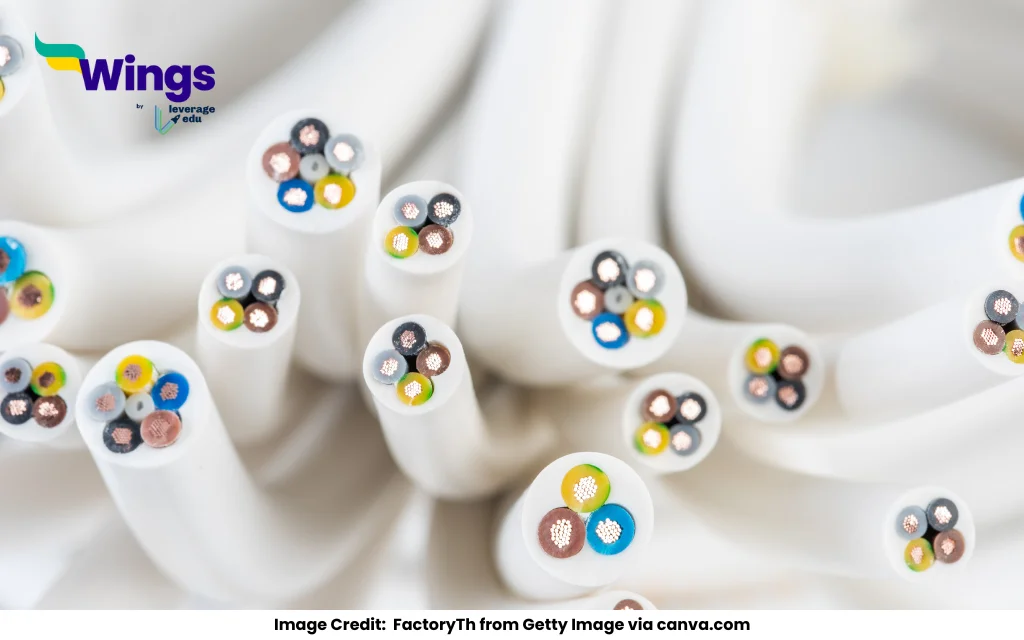
So, when you see a copper wire, you’re looking at a material where the electrons are basically saying, "Let's roll!" They don't get bogged down; they can easily hop from one atom to the next, carrying that electrical energy with them. It’s like having a super-smooth, downhill slide for electricity.
Why Other Stuff Isn't So Keen
Materials that don't conduct electricity well are called insulators. Think rubber, glass, or ceramics. In these materials, the electrons are held very, very tightly by their atoms. They’re like the bouncers at the club, keeping everyone in their designated spots. There’s no "sea of electrons" for electricity to surf on.

Sometimes, you have materials that are somewhere in between – they’re called semiconductors. These are the real stars of our modern tech world, like silicon in computer chips. They're not as good as metal at conducting electricity, but they're not as bad as insulators either. This "in-between" nature is what makes them so incredibly useful for controlling electrical signals.
The Importance of Being a Good Conductor
The fact that metals are such good conductors is incredibly important for our daily lives. Imagine trying to power your devices if electricity had to fight its way through a resistive material. Everything would heat up a lot, and we’d lose a ton of energy.
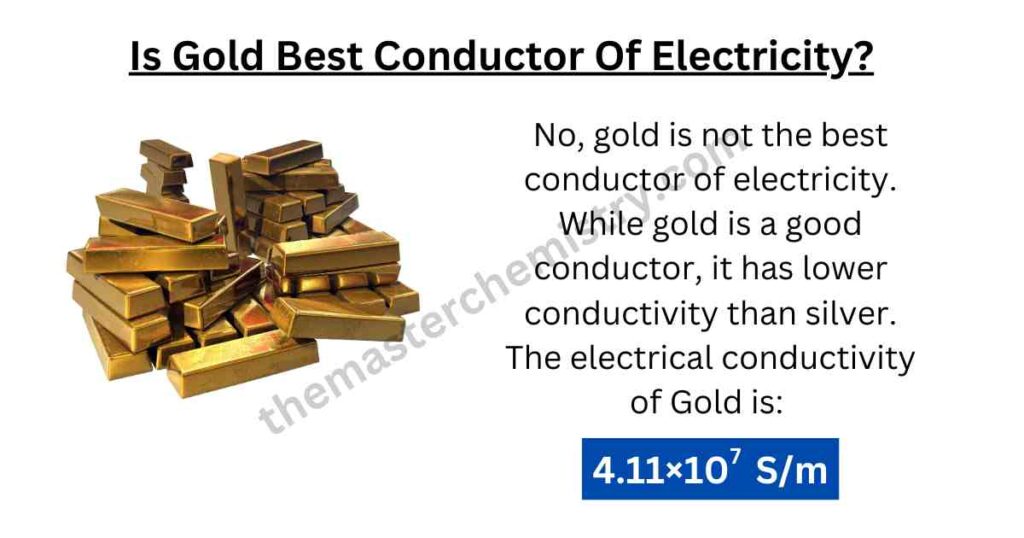
Metals like copper, aluminum, and silver are chosen for different applications based on their conductivity and cost. Copper is a fantastic all-rounder, used in most electrical wiring. Aluminum is lighter and cheaper, making it good for high-voltage power lines. Silver is actually the best conductor, but it’s too expensive for widespread use.
A Little Bit of Heat?
Even though metals are great conductors, they’re not perfect. There’s always a little bit of resistance, which means a tiny amount of energy is lost as heat. Think of it as the electrons occasionally bumping into each other a little too hard during their road trip. This is why your phone charger might get a little warm – it's the electricity doing its work!
But compared to other materials, this heat loss is minimal, which is why metal is still the go-to choice for carrying electricity efficiently.
So, Next Time You See a Metal Wire…
Remember the amazing party happening inside! It’s a constant, energetic dance of free-range electrons, all thanks to the unique structure of metal atoms. It's a simple concept with profound implications, allowing us to power our world, connect with each other, and enjoy all the modern conveniences we take for granted.
It’s pretty neat, right? The universe is full of these hidden wonders, and sometimes, understanding them just takes a little bit of curious exploration.