
Why Is Steel Tempered After Being Hardened
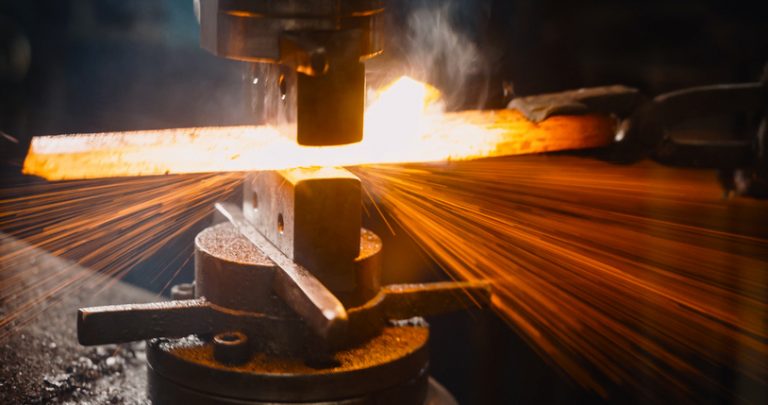
Have you ever wondered why some everyday objects feel just right – strong enough not to bend easily, but not so brittle that they’d snap if you dropped them? Think about a good kitchen knife, the spring in your car, or even the tough tools used by builders. There’s a fascinating process behind their resilience, a bit like a carefully orchestrated dance of heat and cooling that metalworkers have perfected over centuries. It’s called tempering, and it happens after steel has been hardened. It might sound a bit technical, but understanding it opens up a whole new appreciation for the world around us.
So, why do we bother tempering steel after we’ve gone to the trouble of hardening it? Well, hardening steel, often done by heating it to a high temperature and then rapidly cooling it in water or oil, makes it incredibly tough. It essentially locks the metal’s structure into a very hard state. However, this extreme hardness comes at a price: brittleness. Imagine trying to bend a piece of glass – it’s hard, but it shatters easily. That’s the problem with just hardened steel. It’s like a superhero with incredible strength but no flexibility, prone to breaking under stress.
This is where tempering steps in, and it’s truly the unsung hero. Tempering involves reheating the hardened steel, but to a much lower temperature than the initial hardening process, and then allowing it to cool more slowly. This gentler heat treatment doesn't undo the hardness entirely, but it does relieve internal stresses that were created during hardening. Think of it like giving the metal a little break, a chance to relax. The result? The steel becomes significantly less brittle, gaining a crucial amount of toughness and ductility (the ability to deform without breaking). It’s the perfect balance: strong and resilient. Without tempering, hardened steel would be far too prone to cracking or breaking in practical applications.
This principle is everywhere once you start looking. In education, understanding tempering is a key part of metallurgy and materials science courses, explaining why different tools are made with specific treatments. In daily life, that sharp kitchen knife you rely on? Its blade is hardened for sharpness and then tempered to prevent it from chipping or breaking when you slice through tougher ingredients. The springs in your bicycle or car suspension? They need to be both strong to support weight and flexible enough to absorb shocks without snapping. Even the tiny, intricate springs in your watch have likely undergone this tempering process.
Want to explore this a bit more without a full workshop? Next time you’re in a hardware store, look at different types of steel tools. You might see descriptions mentioning heat treatment. You could also search online for videos demonstrating the tempering process – seeing the different colors that appear on heated steel as it’s tempered is quite mesmerizing! It’s a subtle but powerful science that makes so many of the things we depend on strong, reliable, and wonderfully durable. It’s a reminder that sometimes, the best way to achieve strength is not through sheer force, but through a wise and gentle touch.