
Why The Keyboard Keys Are Not In Alphabetical Order
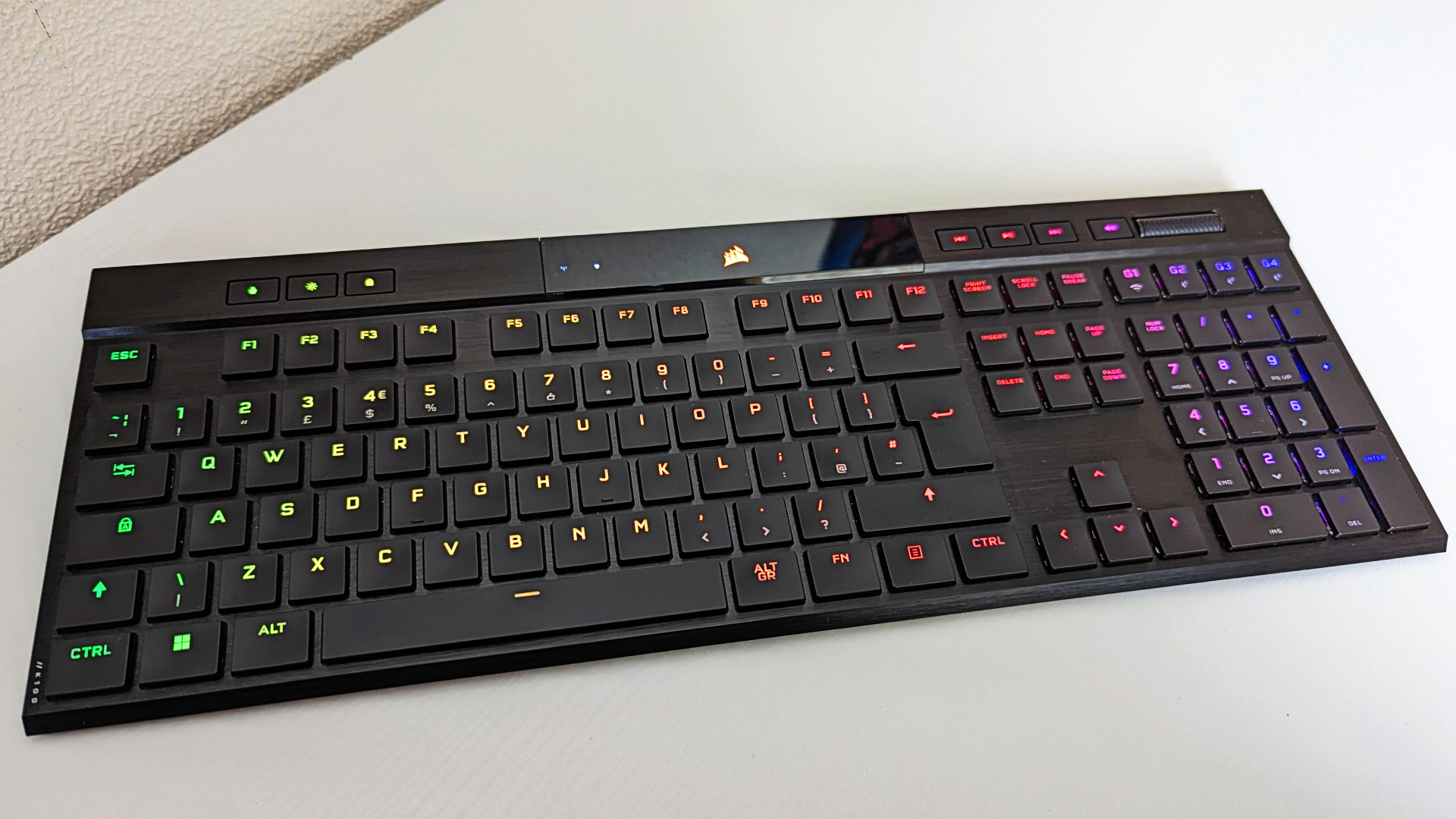
Ever stared at your keyboard and wondered why those letters are all over the place? It’s not a mistake, and it’s definitely not a random act of typing chaos. There’s a quirky, historical reason behind the QWERTY layout, and it’s a story that’s as old as typewriters themselves.
Imagine a time before sleek laptops and glowing screens. We’re talking about the clunky, noisy days of the mechanical typewriter. These machines were amazing for their time, but they had a little… hiccup.
The hammers inside these early typewriters would swing up to strike the paper and leave a mark. If you typed too quickly, especially if the same letter was hit twice in a row or very close together, those hammers could jam! It was like a tiny metal traffic jam, and it was super frustrating.
So, a clever inventor named Christopher Latham Sholes came up with a solution. He didn’t want his typing contraption to get all knotted up. He needed a way to slow people down just enough to prevent those pesky jams.
His brilliant, if slightly counter-intuitive, idea was to arrange the keys so that the most commonly used letter pairs were placed far apart from each other. Think about the letters you use the most when you’re typing. Pairs like "TH" or "ER" are super common, right?
Sholes basically spread out the most frequent letter combinations across the keyboard. This forced typists to move their fingers more, which in turn slowed down their typing speed just enough to avoid those frustrating hammer jams.
It’s a bit like telling a kid to walk instead of run to get to the cookie jar. Not as fast, perhaps, but definitely less likely to end up with a bumped nose!
The QWERTY layout, named after the first six letters on the top row, became the standard. It was the "best" solution for the time, even if it wasn't the most intuitive for learning to type.
So, that jumbled arrangement you see isn't an accident; it's a clever workaround from a bygone era of technology. It’s a little piece of history literally at your fingertips.
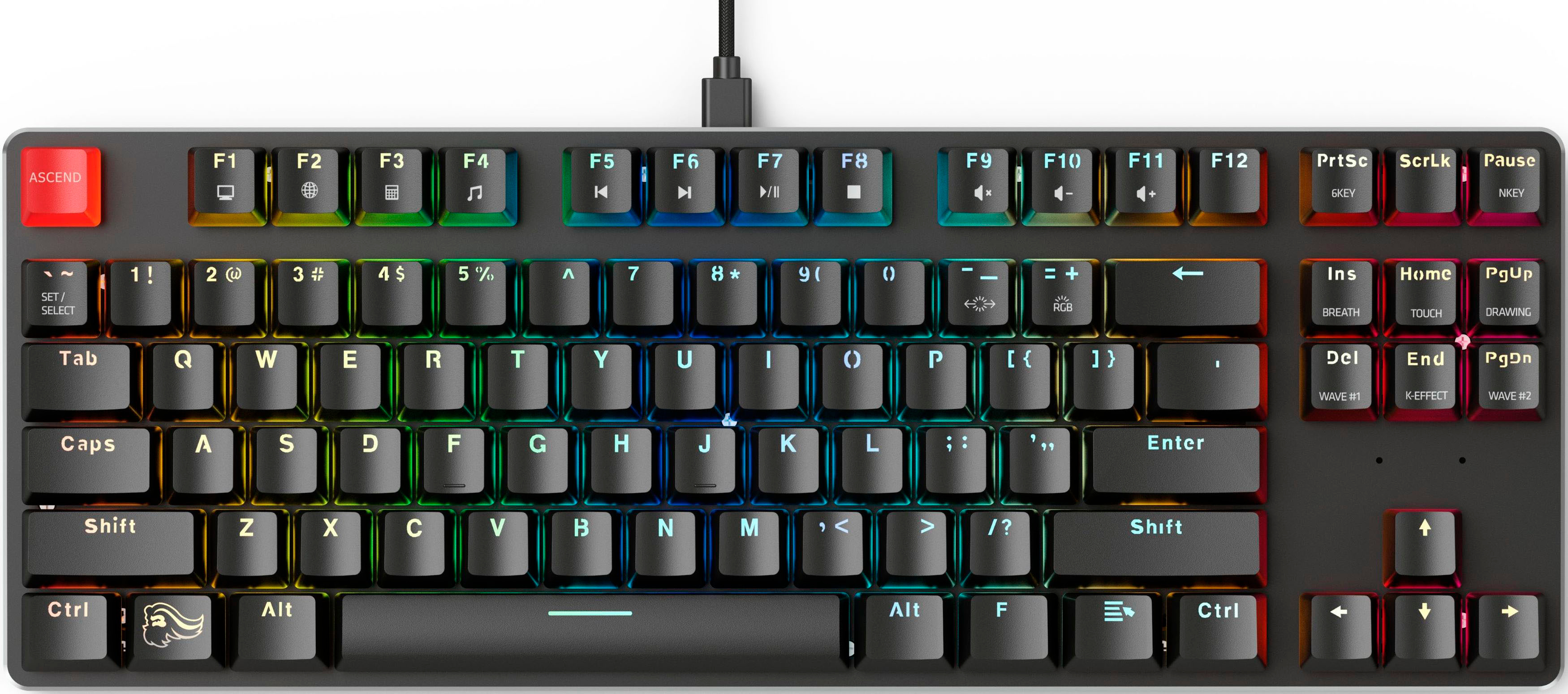
Think about it: every time you type an email, a text, or even just a quick note, you're interacting with a design choice made over a century ago to solve a very specific mechanical problem.
It’s funny to consider that something we use so constantly, something so fundamental to our modern lives, has roots in preventing old-fashioned typewriter jams. It’s not about making typing easier for the user; it was about making the machine work reliably.
This idea of designing for the machine rather than the human user isn't entirely unheard of, but in this case, it led to something that has persisted for generations.
When the first electric typewriters and then computers came along, the QWERTY layout was already so ingrained that it was hard to change. People were used to it, manufacturers were producing it, and changing everything would have been a massive undertaking.
It’s a bit like how we still drive on the left or right side of the road in different countries. Once a system is established and widely adopted, it takes a lot to shift it, even if a different way might seem more logical today.
So, the next time you’re furiously typing away, take a moment to appreciate the silent, historical dance your fingers are performing. They’re not just hitting keys; they’re navigating a legacy of mechanical engineering.
It’s a testament to how early innovations, even those born out of necessity and a bit of clever problem-solving, can have an incredibly long and lasting impact.
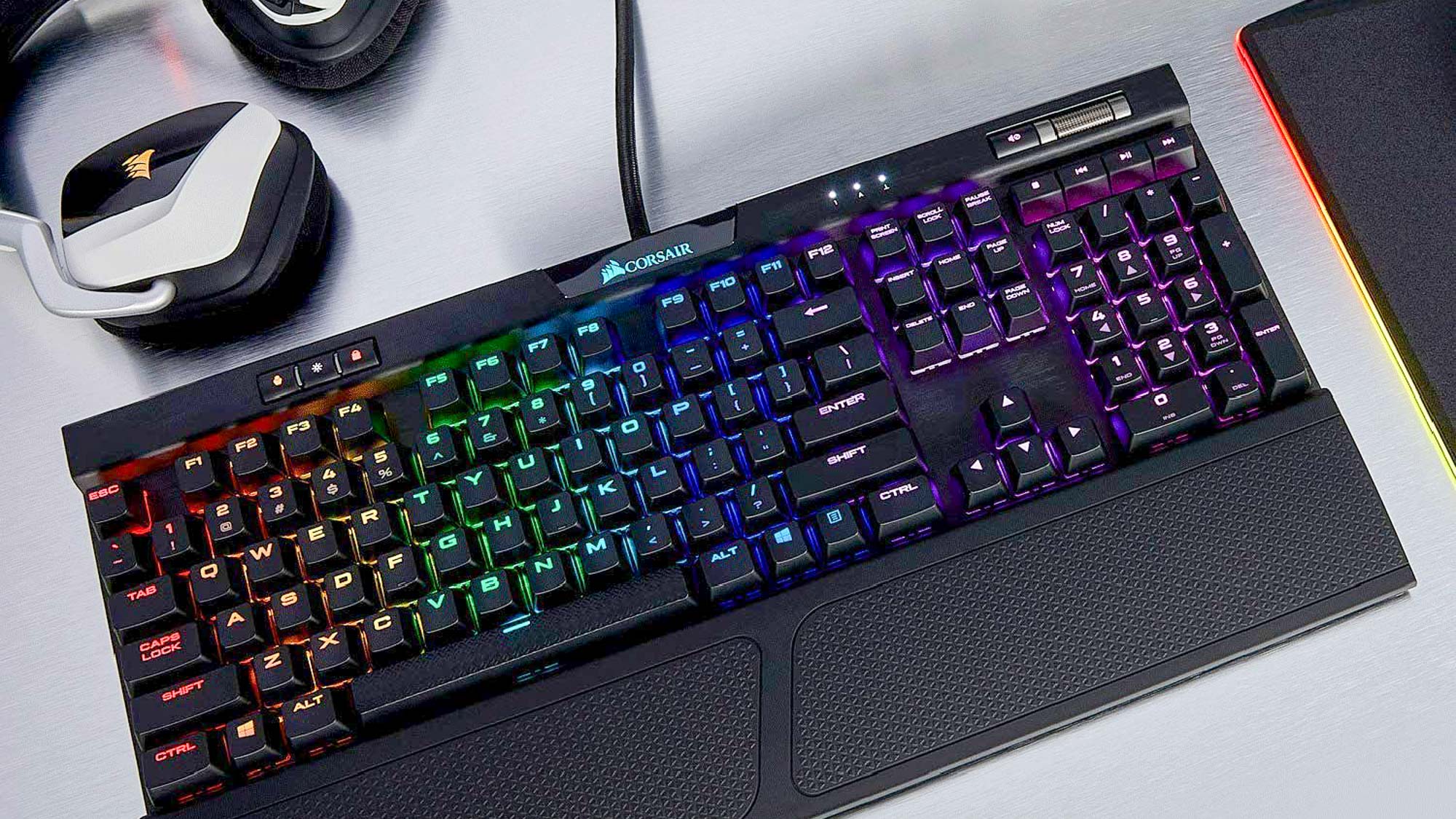
There have been attempts to create "better" keyboard layouts, like the Dvorak Simplified Keyboard, which aims to place the most frequently used letters on the home row for faster and more comfortable typing. But the QWERTY layout’s dominance is a powerful example of entrenched standards.
The Dvorak layout, for instance, is designed to promote more efficient finger movement and reduce strain. It prioritizes placing vowels and common consonants within easy reach.
However, the sheer ubiquity of QWERTY makes switching a challenge for most people. Imagine learning to type all over again!
It’s like trying to teach a lifelong right-handed person to use their left hand for everything. Possible, yes, but it requires significant effort and relearning.
The story of QWERTY is a gentle reminder that the tools we use often carry the echoes of their past. They are not just functional objects; they are artifacts of human ingenuity and the evolution of technology.
It’s a little bit of history that we interact with every single day, without even realizing it. It’s in the background of our digital conversations and our creative endeavors.
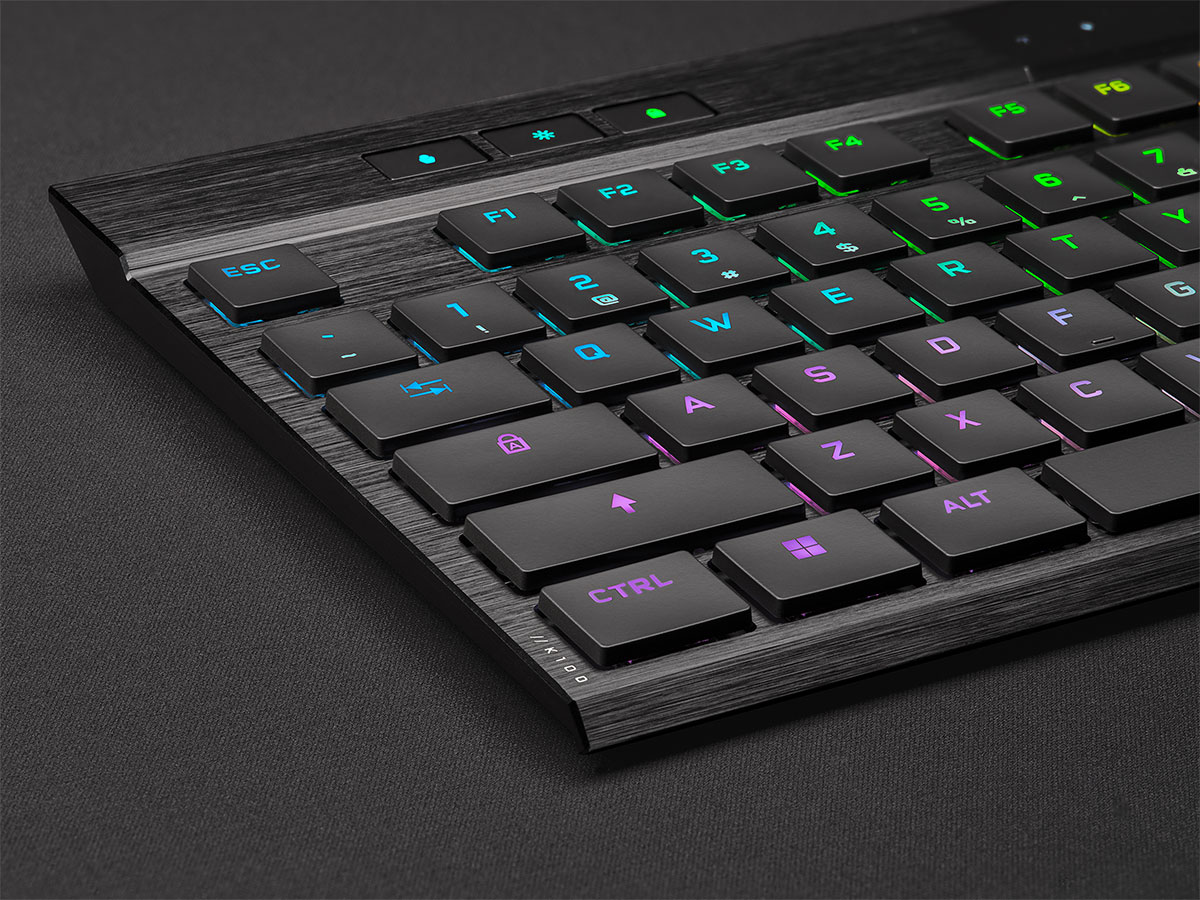
So, is your keyboard layout "wrong"? Absolutely not! It’s perfectly right for its own unique historical journey. It’s a testament to the cleverness of Christopher Latham Sholes and the enduring power of a well-established standard.
It’s a quirky, slightly absurd, but ultimately heartwarming tale. The next time you see that familiar arrangement of letters, give a little nod to the past.
You’re not just typing words; you’re continuing a tradition, one misplaced letter at a time.
It’s a small, everyday marvel that connects us to the early days of written communication and the persistent drive to make things work, even if it means a little bit of alphabetical anarchy.
So, go forth and type, my friends! Your QWERTY keyboard is ready for whatever you throw at it, just as it was designed to be.
And who knows, maybe one day we’ll all be typing on keyboards that sing or change color with our moods. But for now, we have QWERTY, the perfectly imperfect layout that conquered the world, one jam-free key at a time.
It’s a story that proves even the most mundane objects can have fascinating secrets. Just a little bit of history hiding in plain sight, on your very own keyboard.

So, the next time you’re writing that important document or sending a funny meme, remember the typewriters, the hammers, and the brilliant mind of Christopher Latham Sholes. He’s the reason your keys aren’t in the order you might expect!
It’s a simple, yet profound, connection to the past. A little reminder that even the most modern tools have their roots in simpler, and sometimes clunkier, times.
And that, in its own peculiar way, is quite wonderful. It makes the act of typing just a little bit more interesting, wouldn’t you agree?
So next time you’re looking at your keyboard, don’t just see letters. See history, see innovation, and see a little bit of that old-school mechanical magic at play.
It’s a story of problem-solving and adaptation, all leading to the familiar layout we use today. A real testament to human ingenuity and the power of habit.
The QWERTY keyboard is more than just a tool; it’s a legacy. A legacy that’s inked onto our digital lives every single day.
So, embrace the jumble. It’s got a story to tell, and it’s one worth knowing. After all, not every piece of history is found in a museum!