
Why Were Radio Comedies So Popular During The 1930s
Imagine this: it’s the 1930s, and life is… well, let's just say it wasn't exactly a walk in the park for a lot of folks. The grown-ups were dealing with big stuff, like figuring out how to pay the bills and maybe even where their next meal was coming from. It was a time of worry and uncertainty, like trying to find a comfy spot on a rickety old bus.
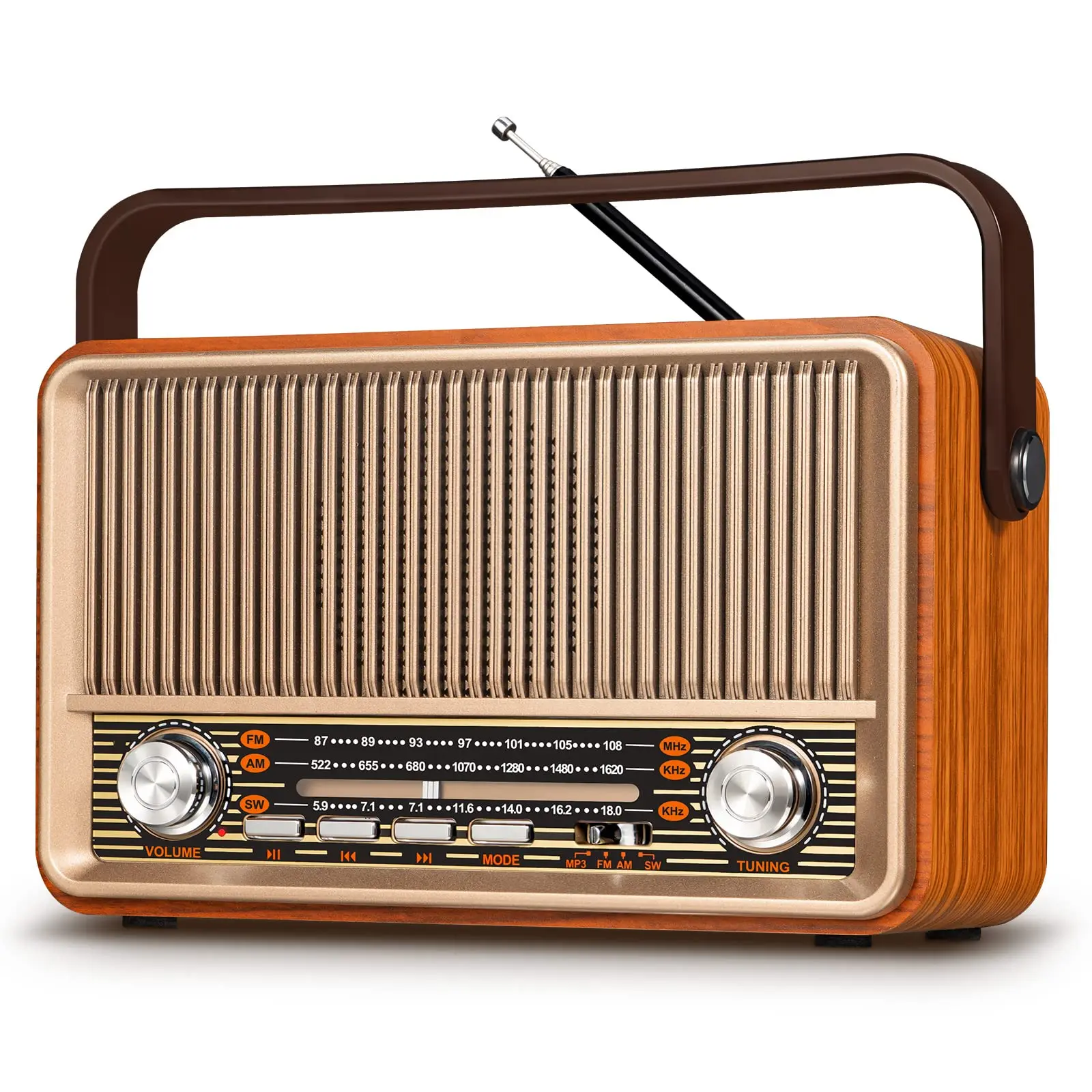
But then, poof! You’d gather around the radio. This magical box, usually a big, beautiful piece of furniture, was the beating heart of the living room. And what filled the airwaves? Laughter! Glorious, belly-shaking laughter, thanks to the amazing radio comedies.
Why were these shows so darn popular? Oh, it’s simple, really. They were like a warm hug and a giant slice of cake for your ears. In a world that felt a bit gray, these comedies painted everything in vibrant technicolor, even though you could only hear them!
The Escape Hatch You Didn't Know You Needed
Think of it this way: when you’ve had a long, hard day wrestling with life’s challenges, what do you crave? You want to forget it all for a little while, right? Radio comedies were the ultimate escape hatch. They whisked you away to a land where problems were funny, characters were wonderfully quirky, and everything always, always worked out in the end.
These weren't just fleeting moments of amusement; they were an experience. The whole family would huddle together, eyes closed, picturing the hilarious scenarios playing out. It was like a private movie theater, but way more intimate, with the stars performing just for you in your own home.
It was a chance to leave behind the worries of the Great Depression, even if only for 30 minutes. The radio became a beacon of hope and happiness, a little ray of sunshine cutting through the clouds.
Characters You Couldn't Help But Love
And the characters! Oh, the characters! They were the rock stars of their day, the social media influencers of the 1930s, but with much better jokes. You had your lovable rogues, your bumbling but brilliant figures, and your sharp-witted sidekicks who always knew how to land a punchline.
Take, for instance, the iconic Jack Benny. He was this wonderfully stingy, perpetually confused millionaire who was convinced he was the funniest man alive, and you just couldn't help but adore him for it. His feigned arrogance and hilariously bad violin playing were pure gold.
Then there was the magnificent Edgar Bergen, the ventriloquist whose dummy, Charlie McCarthy, was often funnier than the man throwing his voice. Charlie was witty, sassy, and always ready with a comeback that would have you rolling on the floor. It was like a constant battle of wits, and we were all just here for the ride!
The Magic of the Sound
Radio comedies were a masterclass in imagination. Without any visuals, the writers and actors had to paint vivid pictures with words and sound effects. This forced the audience to become active participants, using their own minds to create the scenes.
A simple "BOOM!" could signify a car crash, or a dramatic sting of music could mean someone was about to be embarrassed. The producers were wizards, conjuring entire worlds with just audio. You could hear the slapstick, you could feel the awkward silences, and you could practically taste the canned laughter.
This reliance on sound made the humor incredibly potent. It bypassed the need for elaborate sets or costumes and went straight for the funny bone. The jokes were clean, clever, and universally understood, making them perfect for the whole family.
The Family Affair of Entertainment
In a time before everyone had their own television or smartphone, the radio was the shared entertainment hub. The whole family would gather in the living room, often after supper, to listen. It was a ritual, a sacred time dedicated to shared joy and connection.
Picture it: Mom and Dad, the kids, maybe even Grandma and Grandpa, all crammed onto the sofa, listening with rapt attention. The laughter would ripple through the room, a collective release of tension and a shared expression of delight. These shows fostered a sense of unity and togetherness.
It was a simple pleasure, but profoundly important. It provided a common ground for conversation and created lasting memories for generations. The shared experience of listening to a radio comedy was a bonding ritual, strengthening family ties.

Laughter as a Medicine
Let's be honest, the 1930s were tough. The Great Depression was a heavy blanket of worry that hung over everyone. In such times, laughter isn't just a nice-to-have; it’s a necessity. It’s a powerful medicine for the soul.
Radio comedies offered a much-needed respite from the grim realities of the day. They provided a dose of pure, unadulterated joy that could lift spirits and make the hard times seem a little more bearable. It was a way to remind people that even in the darkest of hours, there was still room for a good chuckle.
These shows were a national mood booster. They were proof that even when things are tough, the human spirit can find a way to laugh. And that, my friends, is a powerful thing indeed.
The Golden Age of Radio
The 1930s truly marked the Golden Age of Radio, and comedies were at the forefront of this revolution. They were more than just entertainment; they were a cultural force. They shaped the way people thought, talked, and even dreamed.
Think about the enduring popularity of shows like Fibber McGee and Molly, with their infamous closet door that seemed to hold an endless supply of household items. Or the sheer silliness of Amos 'n' Andy, whose characters, despite their controversies, provided hours of amusement for millions.
These programs were ingeniously crafted to appeal to a broad audience. They offered wit, warmth, and a healthy dose of escapism, making them the perfect antidote to the anxieties of the era. The sheer talent of the performers, coupled with brilliant writing, created a magic that resonated deeply.
A Lasting Legacy of Giggles
Even today, the echoes of those 1930s radio comedies can be felt. Their influence can be seen in modern sitcoms, animated shows, and even stand-up routines. The foundations of comedic timing, character development, and hilarious storylines were largely laid in those early radio days.
So, the next time you hear a particularly clever joke or a perfectly timed punchline, take a moment to remember the pioneers of radio comedy. They were the ones who figured out how to tickle the funny bones of a nation, all through the airwaves.
They gave us laughter when we needed it most, and for that, we are eternally grateful. They were the soundtrack to a generation’s resilience, proving that a good laugh can indeed conquer all.