
Will Aluminum Foil Set Off A Metal Detector
Ever find yourself wondering about the little things, like whether that crumpled ball of aluminum foil you're about to toss could trigger a metal detector at the airport or a concert venue? It's a surprisingly fun little mystery, and understanding it actually sheds some light on how these common security devices work. Think of it as a peek behind the curtain of everyday technology!
Aluminum foil, that shiny, pliable sheet we use for everything from wrapping leftovers to creating makeshift funnels, has a pretty straightforward purpose: to protect and preserve. Its primary benefit is its ability to act as a barrier. It keeps food fresh by blocking out air and moisture, preventing spoilage. It also helps to distribute heat evenly when cooking or baking, ensuring your meals are cooked to perfection. Beyond the kitchen, it's a staple for arts and crafts, even finding its way into scientific experiments.
In educational settings, aluminum foil can be a fantastic tool for teaching basic physics concepts. Imagine a science class using foil to demonstrate how different materials reflect heat, or using it to build simple Faraday cages to explain electromagnetic shielding. In our daily lives, the applications are endless. We use it to keep our sandwiches from getting soggy, to grill delicious meals without them sticking, and even to polish tarnished silverware. It’s the unsung hero of many a kitchen and picnic basket.
So, back to the burning question: will aluminum foil set off a metal detector? The short answer is: it depends. Metal detectors work by creating an electromagnetic field. When a conductive material, like metal, passes through this field, it disrupts it. This disruption is then detected and signals an alarm. Aluminum is indeed a metal and is electrically conductive. Therefore, a sufficient amount of aluminum, especially if it's folded or bundled, can definitely create a strong enough disruption to trigger a metal detector.
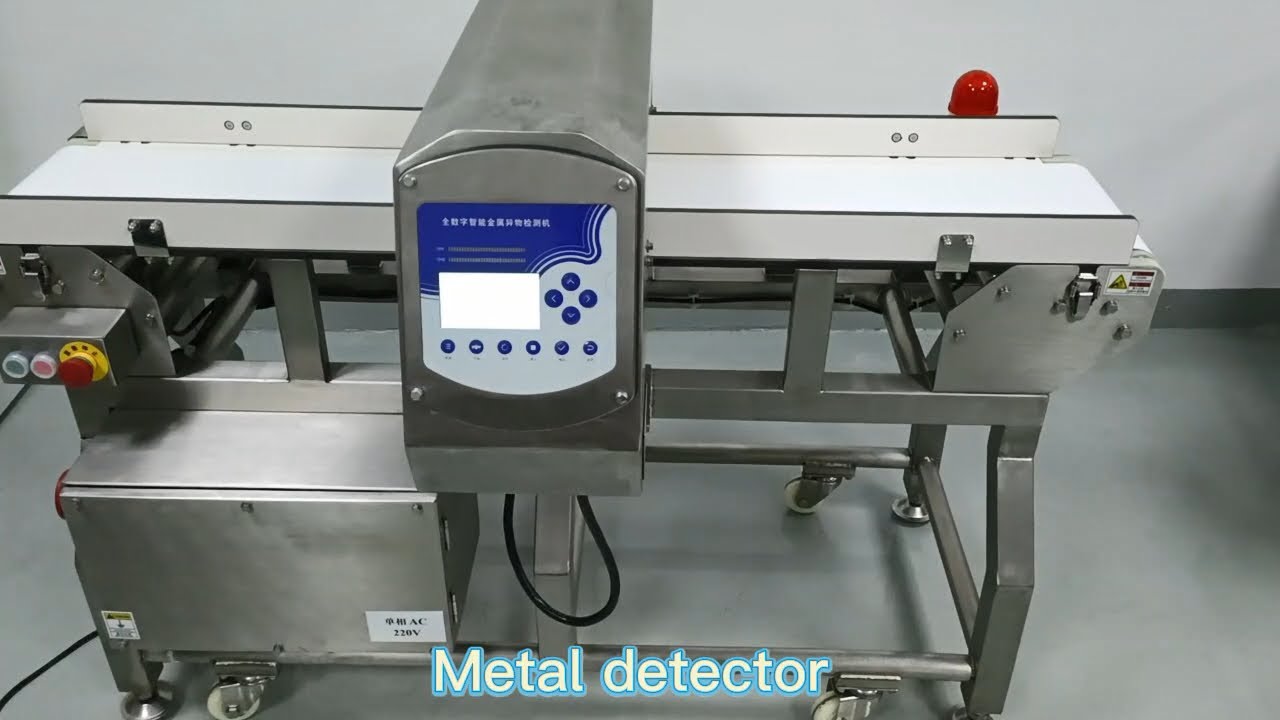
Think about it this way: a single, thin sheet of foil might be too small to register. However, a crumpled ball of foil, a thick layer of it, or even several sheets stacked together will present a larger, more concentrated mass of conductive material. This concentrated mass is much more likely to cause a noticeable change in the detector's electromagnetic field, leading to an alarm. So, while your humble foil-wrapped sandwich might pass unnoticed, a fistful of crumpled foil is a different story. It's all about the quantity and density of the metal.
If you're curious to explore this further, and we encourage you to do so in a safe and controlled environment, you could try a simple experiment at home (with adult supervision if needed!). Gather different amounts of aluminum foil – a single sheet, a small wad, a larger ball. If you have access to a personal metal detector (like for treasure hunting), you can test how each amount affects its reading. Alternatively, consider how different items in your home might interact with magnetic fields. It’s a fun way to demystify the technology we encounter every day and understand the fascinating properties of materials like aluminum.