
Will Flonase Help Eustachian Tube Dysfunction

Ever feel like you're living in a silent movie, where the soundtrack is a muffled echo of reality? You’re not alone! That pesky feeling of fullness in your ears, the distorted sounds, the sudden "pops" that make you jump – it’s often the not-so-glamorous reality of Eustachian Tube Dysfunction (ETD). Think of your Eustachian tube as the tiny, unsung hero of your ear, connecting the middle ear to the back of your throat. Its job? To keep things balanced, letting air in and out, and draining any pesky fluid. When it gets all clogged up, well, things get… weird.
We've all been there. Stuck on a plane, feeling your ears pop like popcorn. Or maybe you’ve noticed it after a nasty cold, that lingering feeling that your ears are stuffed with cotton balls. It’s a common affliction, affecting millions, and let’s be honest, it can be seriously annoying. It’s like having a permanent bad hair day, but for your hearing.
So, when this ear-related drama unfolds, a question naturally pops up: can a trusty nasal spray like Flonase, usually reserved for sneezing fits and itchy eyes, actually be a knight in shining armor for our dysfunctional Eustachian tubes?
Decoding the Ear-Rater: What's ETD All About?
Before we dive into the Flonase debate, let’s get a clearer picture of what’s going on. Eustachian Tube Dysfunction happens when this vital little tube gets blocked or doesn't open and close properly. Imagine a tiny, perfectly tuned orchestra conductor suddenly getting laryngitis. The whole symphony goes off-key!
The most common culprits behind this blockage? Yep, you guessed it: allergies and the dreaded common cold. When your nasal passages and throat get inflamed, that inflammation can spread to the Eustachian tube, making it swell up like a tiny, angry balloon. Other troublemakers can include sinus infections, rapid changes in air pressure (hello, airline travel!), and even earwax buildup.
Symptoms can range from mild annoyance to downright debilitating. You might experience:
- A feeling of fullness or pressure in the ear.
- Muffled hearing or a sense of hearing underwater.
- Ear pain or discomfort.
- Ringing in the ears (tinnitus).
- Popping or clicking sounds in the ear.
- Dizziness.
It’s enough to make you want to crank up the volume on your headphones and just tune out the world, isn’t it? But that’s probably not the best long-term solution.
Enter the Flonase Factor: Can It Really Help?
Now, let's talk about our main character: Flonase. Flonase, or fluticasone propionate, is a corticosteroid nasal spray. Its primary job is to reduce inflammation in the nasal passages. Think of it as a tiny firefighter for your nose, dousing those inflammatory flames that are causing all the trouble.
And here’s where the connection to ETD starts to shine. Since inflammation is a major player in blocking that Eustachian tube, anything that effectively tackles inflammation can potentially offer some relief. If your ETD is primarily triggered by allergies or inflammation related to a cold or sinus infection, Flonase could indeed be a helpful tool in your arsenal.
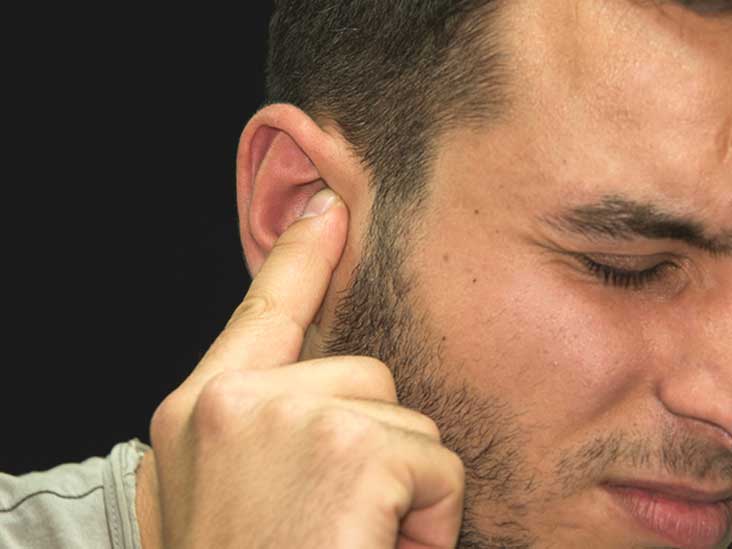
By reducing the swelling in your nasal passages and the area around the opening of the Eustachian tube, Flonase can help to open up the tube, allowing for better airflow and drainage. It’s like clearing the traffic jam on a busy highway, allowing vehicles (air and fluid) to move freely again.
How Does it Work Its Magic?
Flonase works by inhibiting the release of substances in the body that cause inflammation. This is why it's so effective for hay fever and other allergic conditions. When applied directly to the nasal lining, it can significantly calm down the overactive immune response that’s making your nose and throat feel like they’re hosting a tiny riot.
For ETD, this means the tissues surrounding the Eustachian tube opening can de-puff. This can, in turn, allow the tube to function more normally, equalizing pressure and allowing fluid to drain away. It’s a bit like giving your ear a breath of fresh air!
When to Reach for the Flonase (and When to Pause)
So, is it a guaranteed fix? Not necessarily. Flonase is most likely to be effective if your ETD is linked to inflammatory conditions like allergies or acute sinusitis. If your ETD is caused by something else, like earwax blockage or a structural issue, Flonase might not do much.
It’s crucial to remember that Flonase is a medication, and like all medications, it has its own set of instructions and potential side effects. It's not a magic wand, and it's always best to have a chat with your doctor or an audiologist before you start a new treatment regimen.
They can help you pinpoint the exact cause of your ETD. Are you dealing with seasonal allergies that flare up like a celebrity scandal? Or is it that post-viral funk that just won’t quit? Understanding the root cause is key to finding the most effective solution. Think of your doctor as the ultimate celebrity stylist, helping you choose the perfect outfit (treatment) for your ear’s red carpet event.

Practical Tips for Ear-Friendly Living
While Flonase might offer relief for some, it’s just one piece of the puzzle. Here are some other everyday strategies that can help keep your Eustachian tubes singing in harmony:
The Art of the Ear Pop
You’ve probably heard of the Valsalva maneuver – pinching your nose and gently blowing. While effective for pressure changes, it’s not a cure for ETD itself. However, simple jaw movements can help! Chewing gum or yawning are excellent ways to encourage the Eustachian tubes to open naturally. It’s like a mini-workout for your ears, and who doesn’t love multitasking?
Think about it: you’re getting your chewing in (hello, stress relief!) and simultaneously giving your ears some love. It’s the ultimate win-win. Plus, you can totally use this as an excuse to chew gum during that super boring meeting. Just don’t overdo it!
Hydration is Key, My Friends
Staying well-hydrated is always a good idea, and it’s no different for your ears. Keeping your mucus membranes moist can help them function more efficiently. So, keep that water bottle handy. It’s like giving your whole body, including your ear passages, a refreshing spa treatment from the inside out.
Imagine your body as a beautifully intricate water feature. Without enough water, the fountains sputter, the streams slow down, and the whole aesthetic is a bit sad. With plenty of hydration, everything flows smoothly and looks its best. Your ears will thank you!
Nasal Rinses: The Shower for Your Sinuses
A saline nasal rinse (think Neti pot or a squeeze bottle) can be a game-changer for clearing out mucus and irritants from your nasal passages. This can directly benefit your Eustachian tubes by reducing inflammation and congestion. It might feel a little strange at first, but many people swear by it. It’s like a mini-detox for your nasal cavity, flushing out all the gunk.

Think of it as giving your nose a gentle, refreshing shower. It might tickle a bit, but the feeling of clear breathing afterwards is totally worth it. Just make sure to use distilled, sterile, or previously boiled water to avoid any nasty bugs!
Be Mindful of Your Environment
If allergies are your nemesis, try to minimize exposure to triggers like pollen, dust mites, and pet dander. This could involve keeping windows closed during high pollen counts, using air purifiers, and regular cleaning. If you're a pet lover, a good vacuum cleaner becomes your best friend, not just for your carpets, but for your ear health too!
Consider this: if your ears are staging a protest because of an allergen invasion, turning up the heat on the allergen is like inviting the protesters to a party. Lowering the allergen presence is like politely asking them to go home. Much more peaceful for everyone involved.
Avoid the Ear Canal Pitfalls
While tempting, avoid sticking cotton swabs into your ear canal. This can push earwax deeper and potentially cause irritation or injury. Your ears are pretty good at cleaning themselves, and sometimes, the best medicine is simply leaving them be.
It’s like trying to unclog a drain by pushing the blockage further down – a recipe for disaster! Let nature do its thing, or if you suspect a blockage, seek professional help.
The Cultural Connection: Ears in Our World
Our ears are more than just auditory organs; they're deeply woven into our cultural tapestry. Think about the sheer joy of hearing your favorite song for the first time, the comforting sound of a loved one’s voice, or the thrill of a live concert. These are experiences that enrich our lives immeasurably. ETD can dim these vibrant sounds, turning a rich symphony into a muted hum.
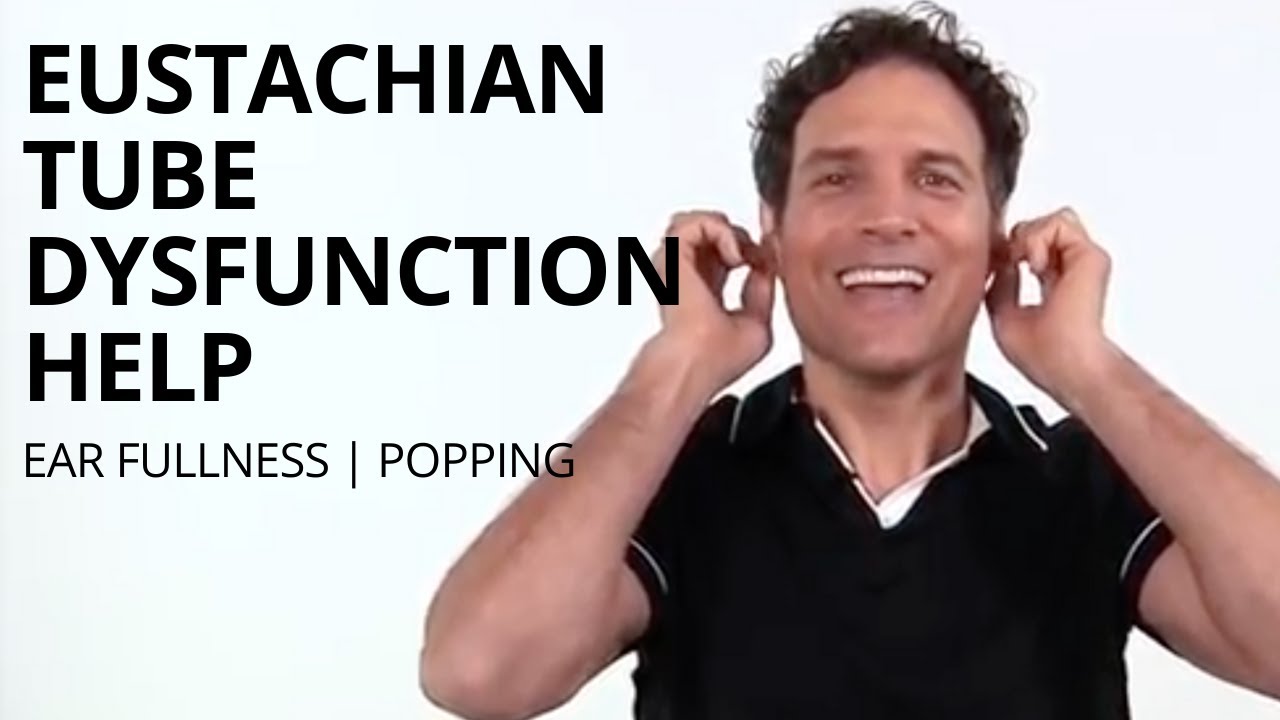
In many cultures, the act of listening is revered. From storytelling traditions where attentive listening is paramount to the appreciation of music as a universal language, our ears are our gateway to understanding and connection. When ETD strikes, it’s not just a physical discomfort; it’s a barrier to experiencing the world in its full, audible glory.
Even in the digital age, where we often communicate through text and emojis, the power of spoken word and sound remains. Imagine trying to enjoy your favorite podcast or a hilarious TikTok without clear hearing. It’s a reminder of just how precious our auditory senses are. And sometimes, a simple nasal spray like Flonase can be a small step towards reclaiming that auditory richness.
A Little Fun Fact for Your Auditory Arsenal
Did you know that the Eustachian tube is named after an Italian anatomist, Bartolomeo Eustachi? He lived back in the 16th century, and even without the fancy gadgets we have today, he managed to map out a lot of our body’s intricate workings. So, next time your ears feel blocked, you can mentally thank Bartolomeo for discovering the little tube that’s causing you all this grief (and potentially benefiting from his namesake treatment pathway!).
The Daily Grind and the Ear-tastic Connection
Life throws a lot at us, doesn’t it? From deadlines at work that loom like storm clouds to trying to keep up with our ever-social media-savvy kids, our bodies are constantly juggling demands. And sometimes, during this whirlwind, our ears just decide to take a little siesta, leaving us feeling out of sync. That nagging ear pressure can make even the simplest tasks feel monumental. Trying to follow a conversation at a noisy café? Forget it. Enjoying your favorite movie soundtrack? It’s like listening through a pillow.
It's in these moments that we realize how crucial our seemingly simple bodily functions are. When our Eustachian tubes are happy and healthy, we navigate our days with a sense of ease, able to fully engage with the sounds and conversations around us. It’s the background hum of a normal day, the ability to hear the gentle rustle of leaves or the laughter of a friend, that truly makes life feel connected and vibrant.
So, whether it's reaching for a trusted nasal spray like Flonase during allergy season, embracing a hydration habit, or simply remembering to yawn more, taking care of your Eustachian tubes is about investing in your daily well-being. It's about ensuring you can fully tune into the soundtrack of your life, from the grand orchestral movements to the quiet, beautiful melodies of everyday moments. Because let's face it, life’s too short to live it in muffled silence.