
Will Stainless Steel Turn Your Finger Green

Ah, the classic green finger. If you’ve ever worn a piece of jewelry, particularly a ring, you’ve likely encountered this bizarre, almost mystical phenomenon. You’re going about your day, feeling all fancy with your new shiny accessory, and then BAM! You glance down and see a rather unappealing greenish hue smudged across your digit. It’s like your finger decided to join a leprechaun convention without you. You might even start questioning your life choices, wondering if that bargain ring from the quirky market stall was really worth the potential for looking like you’ve been wrestling with a particularly stubborn avocado.
But here’s the thing, folks. That green tinge, while a bit of a mood killer, isn’t usually a sign of impending doom or that your jewelry has some secret, mischievous agenda. More often than not, it’s a perfectly normal, albeit slightly messy, chemical reaction. Think of it like a tiny, involuntary science experiment happening right on your hand. And when it comes to the infamous green finger, a lot of people will point fingers (pun intended!) at cheap metals. But what about good old stainless steel? Can this popular metal, lauded for its durability and sleek look, actually turn your finger a shade of Hulk? Let’s dive in, shall we?
The Mysterious Green Finger: A Whodunit for Your Hand
Let’s be honest, the first time it happens, it’s a bit alarming. You might even feel a pang of betrayal. “But it’s so shiny!” you exclaim to yourself, staring at the offending green mark. It’s like discovering your trusted toaster has a secret passion for leaving burnt crumbs everywhere. You thought you knew it, you thought you could rely on it, and then… green.
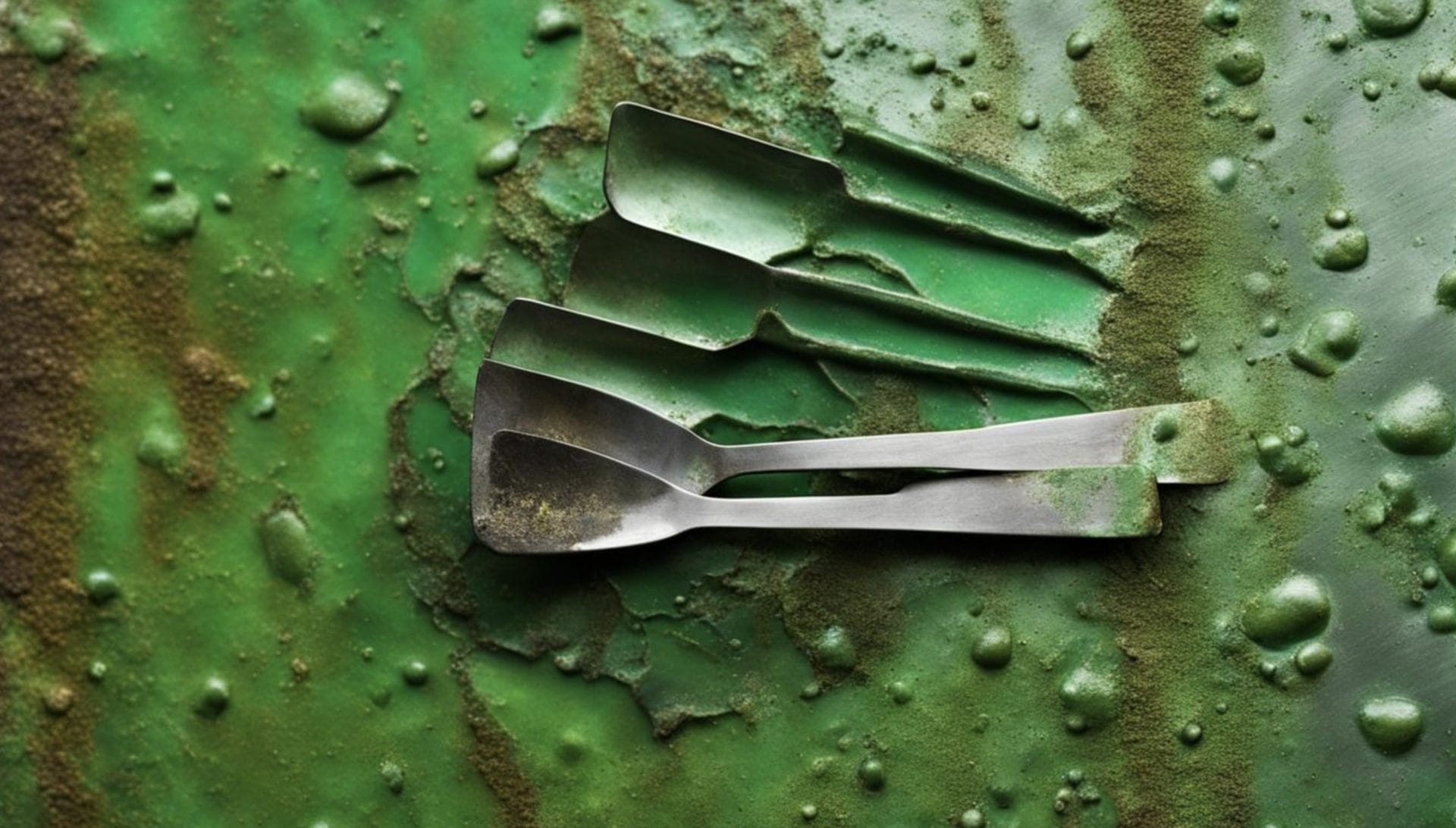
The common culprits for this finger-fading trick are usually metals like copper and nickel. These metals, when they come into contact with the salts and acids present in our sweat, can oxidize. This oxidation process creates copper salts or nickel salts, and guess what color those happen to be? Yep, you guessed it: greenish-blue or green. It’s not the metal itself magically transforming into a jade statue; it’s a reaction, like when you leave an apple out for too long and it gets all brown and mushy. Nature, or in this case, your personal biology, at play!
So, if you’ve got a ring made of a cheaper alloy, one that’s not quite the real deal, you might be signing yourself up for the occasional green makeover. It’s like buying a fast-food burger; you know what you're getting, and sometimes, there are unexpected side effects (like feeling like you need to run a marathon afterwards). But what about stainless steel? Surely, this superhero of metals is immune to such common ailments?
Stainless Steel: The Stoic Warrior of Your Jewelry Box?
Now, when we talk about stainless steel, we’re not usually talking about the kind of metal that’s going to throw a tantrum and leave green streaks all over your precious skin. Stainless steel is, by its very nature, designed to be resistant to corrosion and staining. It's the reliable friend who always shows up on time, the one you can count on to not suddenly burst into tears at a party. It’s got this magic ingredient – chromium – that forms a thin, invisible layer on the surface. This layer is like a superhero’s force field, protecting the metal from everyday aggressors like water, air, and yes, even your sweaty digits.
This chromium oxide layer is what makes stainless steel so darn good at its job. It’s why it’s used in everything from surgical instruments to kitchen sinks, places where hygiene and durability are key. So, if your jewelry is truly made of good quality stainless steel, the chances of it turning your finger green are pretty slim. Think of it as a well-trained bodyguard for your skin, keeping all the nasty stuff at bay.
But Wait, There's a Twist! (Because Life Isn't Always That Simple)
However, life, like a poorly written sitcom, loves its plot twists. While pure, high-quality stainless steel is incredibly resistant to tarnishing and causing discoloration, there are a couple of sneaky reasons why even your trusty stainless steel might, on rare occasions, decide to join the green-finger club.
Firstly, let’s talk about quality. Not all stainless steel is created equal. Just like there are fancy gourmet cheeses and then there’s the pre-shredded stuff in a bag, there’s a range of quality in stainless steel. Cheaper, lower-grade stainless steel might have a higher percentage of other metals, like nickel, in its alloy. And as we discussed, nickel is one of those metals that can react with your sweat to produce that tell-tale green hue.
So, if you snagged a super-affordable stainless steel ring from a discount online store or a quirky flea market, there's a slight possibility it's not the top-tier stuff. It might be like a slightly watered-down version of the real thing. It'll still look good, and it'll probably last a decent while, but it might not have the same impenetrable armor against your body’s natural chemistry.
Think of it like buying a knock-off designer handbag. It looks the part, it does the job of holding your essentials, but up close, the stitching might be a bit off, and it might not withstand the torrential downpour like the genuine article. It’s a compromise, and sometimes, that compromise involves a splash of green on your finger.
The Sweat Factor: Your Finger's Own Chemical Warfare
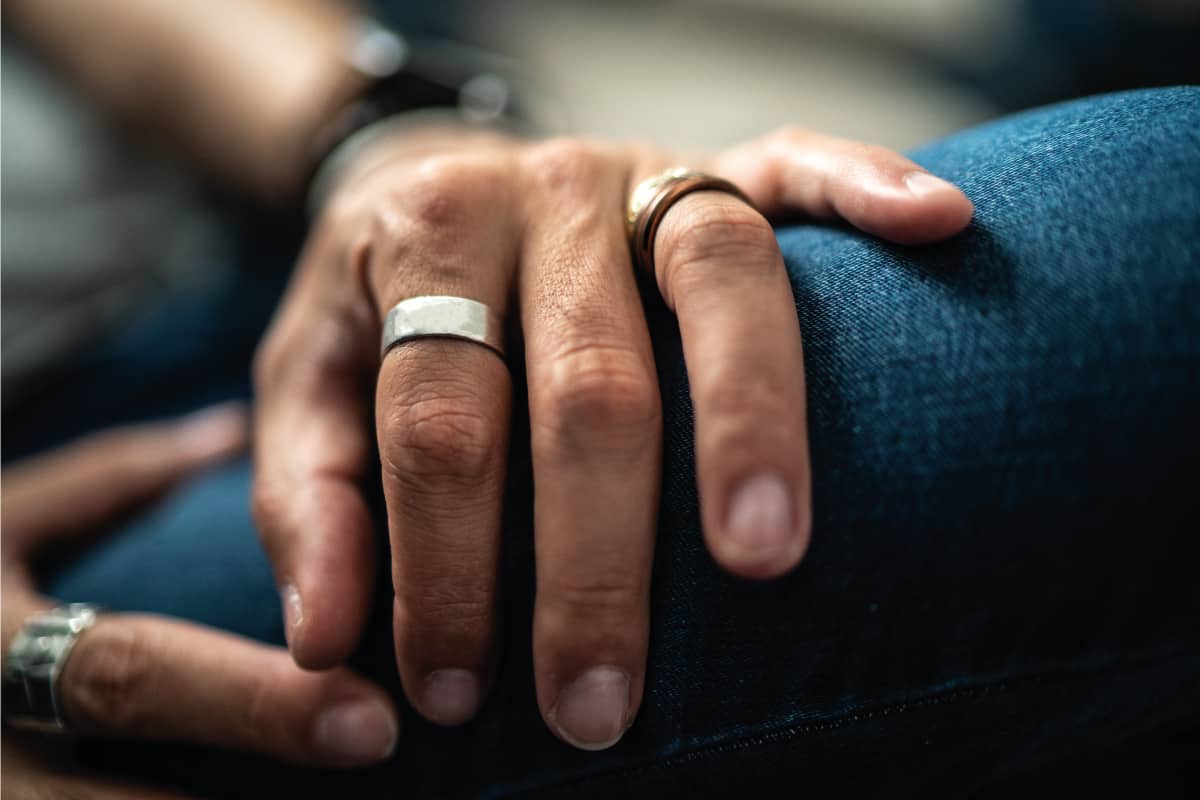
Now, let’s talk about something we all do: sweat. We sweat when it’s hot, we sweat when we exercise, and sometimes, we just sweat for no apparent reason. It’s our body’s natural cooling system, and it’s full of stuff – salts, acids, and other wonderfully complex biological concoctions. This sweat is the main catalyst for those metallic reactions.
Even with high-quality stainless steel, if you’re having a particularly sweaty day, or if your skin chemistry is a bit more acidic than average, a reaction can theoretically occur. It’s like a really intense workout for your ring! The chromium oxide layer is tough, but even the toughest bodyguard can get a little overwhelmed if the situation gets really extreme. It’s rare, mind you, but not entirely impossible. It’s the difference between a gentle breeze and a hurricane – one is easily shrugged off, the other can cause some serious disruption.
Imagine your finger is a tiny, humid island, and your ring is a little boat sailing on it. Most of the time, the boat is perfectly fine. But if the sea gets really choppy (aka, you’re sweating buckets), the boat might get a bit battered. It doesn't sink, but it might show some signs of wear and tear, like a slight green smudge.
What to Do If Your Stainless Steel Does Turn Green
So, you’ve got the green smudge. Don't panic! It’s not a sign of a serious health issue or that your ring is about to crumble into dust. Here’s the lowdown on what to do:

1. Clean Your Finger: This is the most obvious step. A good wash with soap and water should do the trick. It’s like giving your finger a quick spa treatment to wash away the evidence of the mini-chemical reaction. You might need to scrub a little if it’s a stubborn smudge, but it will come off.
2. Clean Your Ring: Just like you’d clean your jewelry regularly, give your stainless steel piece a good wash too. Use a mild soap and water, and maybe a soft brush (like an old toothbrush) to get into any nooks and crannies. This removes any sweat residue that might be contributing to the problem. Think of it as decluttering your ring’s personal space.
3. Reassess the Quality: If this happens frequently, even with what you thought was good stainless steel, it might be a sign that the quality isn’t as high as you’d hoped. Consider investing in jewelry from reputable brands that clearly state the grade of stainless steel they use (e.g., 316L surgical stainless steel is a common and high-quality choice). This is like upgrading from a reliable sedan to a luxury SUV – it’s smoother, more robust, and generally handles the road (or your finger) better.
4. Consider Coatings: Some stainless steel jewelry is coated with other materials for added shine or protection. If this coating wears off, it can expose the underlying metal, which might be more prone to reacting. It’s like a protective layer on a phone screen – once it’s scratched, the screen underneath is more vulnerable.

5. Keep it Dry(ish): While stainless steel is water-resistant, prolonged exposure to moisture can still play a role. Try to take off rings before swimming, showering, or intense workouts where you know you’ll be sweating profusely. It’s like telling your favorite book to take a break from the pool – it’ll thank you for it.
The Verdict: Is Stainless Steel a Green-Finger Villain?
So, will stainless steel turn your finger green? In most cases, the answer is a resounding no. High-quality stainless steel is remarkably resistant to this common jewelry woe. It’s built to last and to maintain its shine without leaving a permanent mark on your skin.
However, like a plot twist in a mystery novel, there are exceptions. Lower-grade stainless steel, individual body chemistry, and extreme conditions can occasionally lead to that familiar green hue. It's not a guaranteed outcome, but it’s a possibility you might encounter, especially if you’re not buying from a brand that prioritizes quality.
Think of it this way: a good quality stainless steel ring is like a well-made pair of jeans. They’re durable, stylish, and generally don’t cause you any grief. A lower-quality one might feel okay at first, but over time, it might sag, fade, or even develop a minor… issue. It doesn't mean all jeans are bad, it just means you found a pair that wasn't up to scratch.
Ultimately, the green finger is more of a friendly, albeit slightly messy, reminder that our bodies are complex chemical factories and that not all metals are created equal. If your stainless steel ring is giving you the green treatment more often than not, it’s probably time to look at its pedigree. But for most of us, our trusty stainless steel friends will continue to shine brightly, keeping our fingers free from any uninvited emerald makeovers. And for that, we can all be grateful.