
Wood Vs Metal Drill Bit

Ah, the humble drill! For many of us, it’s the gateway to DIY glory, the key to unlocking creative projects, and the ultimate solution to that eternally wobbly shelf. Whether you’re a seasoned home improvement guru or just starting to dip your toes into the world of home repair, the act of drilling is strangely satisfying. There’s a primal joy in making a clean, precise hole, transforming a raw material into something functional and new. And at the heart of this satisfying endeavor are the
drill bits
, the unsung heroes that actually do the digging.But when it comes to choosing the right bit, a common dilemma arises: wood versus metal. While they might look deceptively similar, these two types of drill bits are designed for entirely different purposes, and using the wrong one can lead to frustration, damaged materials, and perhaps even a slightly singed drill bit! Understanding the difference isn't just for the pros; it's crucial for anyone who wants their projects to go smoothly and look fantastic. It’s about working smarter, not harder.
So, what’s the big deal? Well,
wood drill bits
are typically designed with asharper point
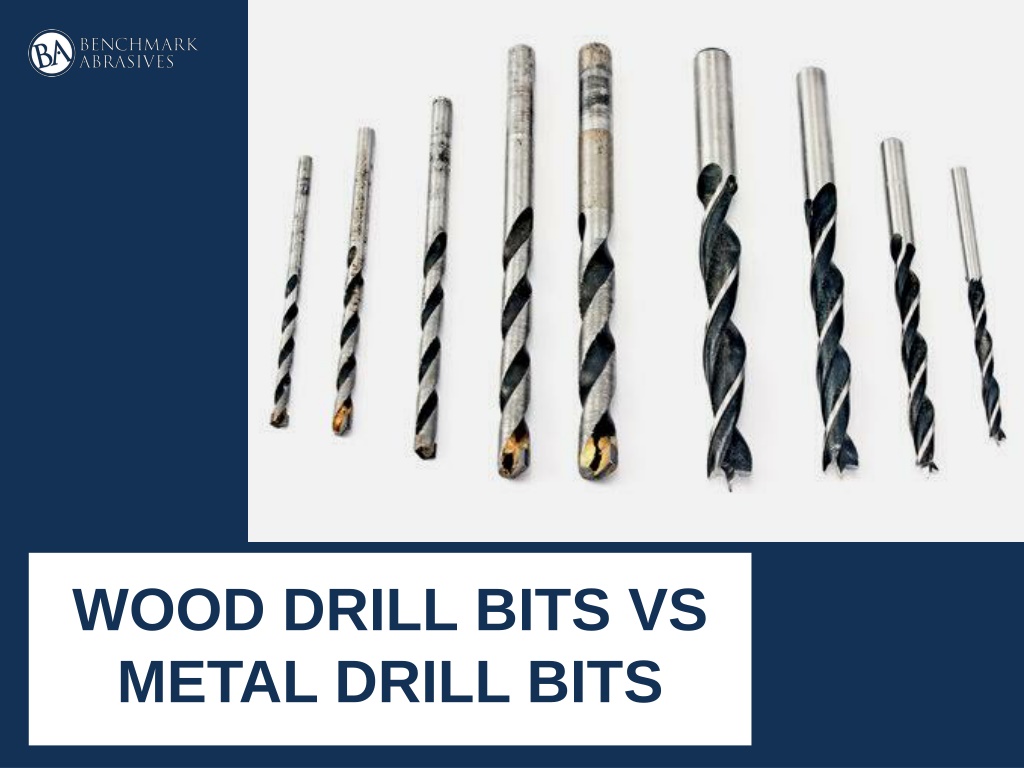
wider flutes
(those spiral grooves). This design allows them to efficiently cut through wood fibers without excessive force, preventing splintering and creating a clean entry and exit point. Think of hanging that new picture frame, assembling flat-pack furniture, or even building a birdhouse for your feathered friends. These are the bits that make those tasks a breeze.On the other hand,
metal drill bits

titanium or cobalt coating
for extra durability and heat resistance. Their tips are generallymore pointed and aggressive

To truly
enjoy your drilling adventures
and get the best results, here are a few practical tips. First, always identify your material. Are you drilling into softwood, hardwood, or metal? This is the golden rule. Second, select the correct drill bit for the job. Using a wood bit on metal is like trying to cut steak with a butter knife – it just won’t work well and will likely damage both the bit and the material. Conversely, a metal bit can often be used on wood, but it might not create as clean a finish. Third, use the right speed. Slower speeds are generally better for metal to prevent overheating, while wood can often handle slightly higher speeds. Don’t forget to wear safety glasses! It’s a small step that offers immense protection. Finally, keep your bits sharp. A dull bit is a frustrating bit, and a sharp one makes all the difference. With the right bit and a little know-how, your DIY projects will be more enjoyable and far more successful!