
Works That Might Include Maps Of Fictional Lands
Hey there! So, have you ever gotten completely lost in a really good book? I mean, really lost? Like, you start picturing yourself there, maybe even trying to figure out the best route to the nearest dragon-slaying inn? Yeah, me too. And a huge part of that magic, that feeling of being transported, often comes down to one deceptively simple thing: a map.
Seriously, think about it. A good map in a book isn't just a bunch of squiggly lines and made-up place names. It's an invitation. It's a promise of adventure, a whispered secret about what wonders (or horrors!) lie just beyond the page. It’s like the author is handing you a treasure map, saying, "Go on, explore!" And who are we to refuse, right?
I was just thinking about this the other day, sipping on my usual over-caffeinated brew, when it hit me: there are so many incredible stories out there that rely, in some way, on these fantastical cartographic creations. It’s not just about fantasy, either, though that’s obviously a HUGE contender. We’re talking about entire worlds, meticulously crafted, where the geography is as much a character as any talking elf or grumpy wizard.
So, let's dive in, shall we? Grab your imaginary compass and let’s wander through some of the places that might just have you reaching for a highlighter to mark your favorite spots… or maybe just to figure out where you’d stash your ill-gotten gains.
The Obvious Suspects: Where Maps Reign Supreme
Okay, so if I say "fictional maps," what’s the first thing that pops into your head? For most of us, it’s probably fantasy. And you wouldn't be wrong! Fantasy literature is practically built on these inked portals to other realms. It’s where the wildest imaginations get to play architect, engineer, and geographer all at once.
Think about Tolkien. Oh, good ol’ Professor Tolkien! Is there anyone who didn't spend hours tracing the winding paths of Middle-earth? The Misty Mountains, the Shire, Mordor – these aren't just names; they're landscapes etched into our collective consciousness, thanks in no small part to those wonderfully detailed maps he included. You can practically feel the grit of the Dwarf mines or the creeping dread of Mirkwood, can't you?
And The Lord of the Rings isn’t just a book; it’s an experience. The maps are integral to that experience. You see where Frodo and Sam are trekking, you understand the vastness of their journey, the sheer distance they have to cover. It’s not just "they went somewhere"; it’s "they trudged across this treacherous mountain range and then sailed down that perilous river." It adds so much weight, so much gravitas to their quest.
Then there’s the whole Game of Thrones phenomenon. Westeros. Essos. Oh, the political maneuvering, the scheming, the sheer… cold of the North! The maps in those books (and the show, of course) were crucial. They explained so much. Why did the Lannisters have such an advantage? Because they controlled the Westerlands! Where were the Targaryens making their stand? Across the Narrow Sea, in Essos! It’s like a giant, deadly game of Risk, but with dragons and much worse weather.
I remember spending ages just staring at the map of Westeros, trying to figure out the logistical nightmares of marching armies. It's a testament to how well-realized these places are when you start thinking about them in practical terms. You can practically smell the sea salt on the coasts and the damp earth of the Riverlands.
And it’s not just the epic, sprawling sagas. Even more contained fantasy worlds often benefit from a well-placed map. Think of Ursula K. Le Guin. Her Hainish Cycle, while not always featuring a central map in every book, has a sense of geography that feels incredibly real, even when dealing with alien worlds. It’s that subtle understanding of space and place that draws you in. You get a sense of the vastness of the galaxy, or the isolation of a particular planet, even without a literal star chart.
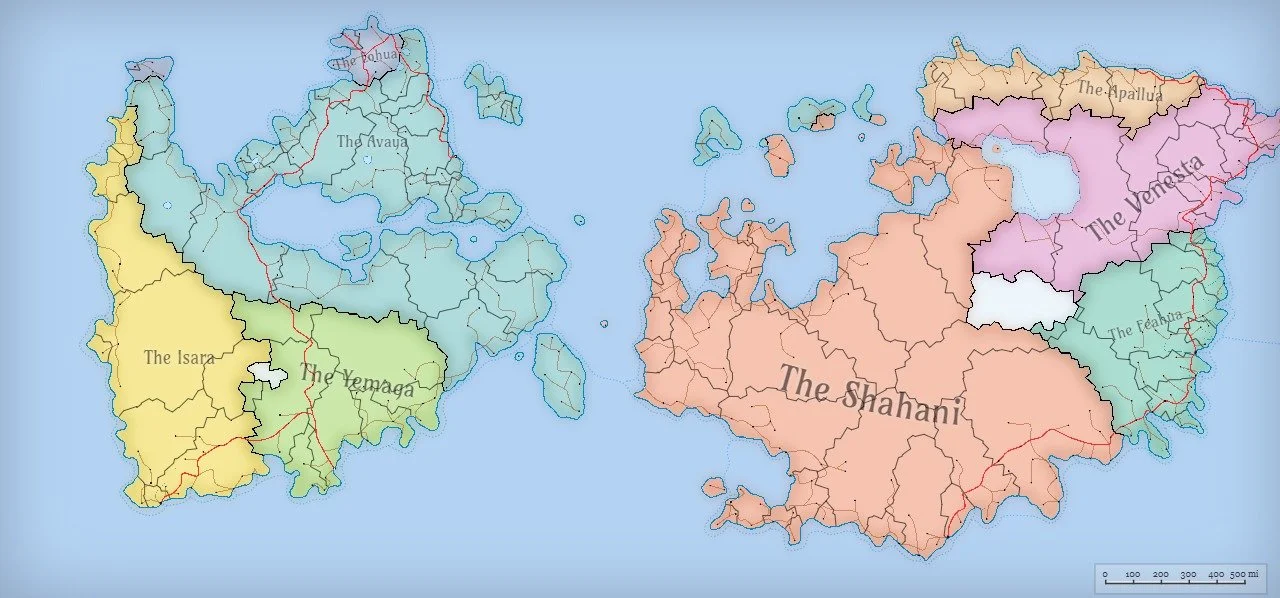
Then there are the more modern fantasy authors, like Brandon Sanderson. His Cosmere is an absolute masterpiece of world-building, and his maps are often stunning works of art in themselves. From the Shattered Plains of Roshar to the varied landscapes of Scadrial, these maps are not just decorative; they're functional. They help you understand the rules of his worlds, the trade routes, the historical significance of certain locations. It’s like getting a cheat sheet for an epic adventure.
And let's not forget the sheer joy of discovering a new continent, a hidden kingdom, or a forbidden forest. The anticipation! You see the coastline, you see the mountains looming, and your imagination just runs wild. What secrets are hidden there? What strange creatures lurk in those shadowed valleys? The map is the key that unlocks that excitement.
Beyond the Dragons: Maps in Other Genres
But wait, it's not just fantasy, right? I mean, that’s the obvious place to start, but the power of a well-drawn map can extend to other genres too. Think about it. Even in stories that aren’t overtly about quests or magical realms, a sense of place is still vital.
Consider historical fiction. While the lands are real, authors often take liberties, condense regions, or focus on specific areas. A map can help orient the reader, showing them the political boundaries, the battlefronts, or the trade routes that are central to the plot. It grounds the narrative in a tangible reality, even if that reality is from centuries past.
What about mystery novels? Sometimes, a fictional town or city can become its own character. Think of a classic Agatha Christie setting, or a gritty noir cityscape. If the author has taken the time to sketch out a believable layout, it can really enhance the atmosphere and the plotting. You can visualize the chase scene through cobbled alleyways, or the secretive meeting in a forgotten corner of the city park. It adds a layer of depth that makes the clues feel more… there.
And then there’s science fiction. While often set in space or on alien planets, many sci-fi stories are deeply rooted in exploration and discovery. A map of a newly colonized planet, or a chart of an uncharted nebula, can be just as compelling as a medieval parchment. It's about defining the unknown, about giving shape to the infinite. Think of the sheer wonder of opening up a book and finding a diagram of an alien biosphere, or a schematic of a generation ship!
I’ve always been fascinated by how authors use maps to control information. Sometimes, the map is incomplete, leaving room for discovery. Other times, it’s a precise guide, revealing exactly what the characters know. This can be a powerful narrative tool, can’t it? It’s like the author is playing a little game with you, the reader, by controlling what you see and when you see it.

Think about the thrill of unfolding a map in an old adventure novel. It feels like you’re about to embark on something grand, something with hidden dangers and untold riches. The edges might be a little frayed, the ink a bit faded, but the promise is still there, shimmering with possibility.
The Anatomy of a Great Fictional Map
So, what makes a fictional map good? It’s more than just drawing some mountains and calling it a day, right? It’s about intention. It's about serving the story.
Firstly, believability. Even in the most fantastical settings, there’s usually a logic to the geography. Rivers flow downhill. Mountains tend to form in ranges. Deserts are often in rain shadows. When an author pays attention to these basic principles, even their made-up worlds feel more solid, more real. It’s like, okay, I can sort of see how this came to be.
Secondly, detail. Not too much, mind you, but enough to spark the imagination. A few strategically placed landmarks, a clear indication of political borders, and perhaps a hint of ancient ruins or dangerous territories. These details are like breadcrumbs for the reader, leading them deeper into the world.
And speaking of details, the naming conventions! Oh, the names! A good map will have names that are evocative, that hint at history or culture. Are they harsh and guttural, suggesting a warrior race? Or flowing and melodic, hinting at ancient magic? The names themselves are a form of cartography, painting pictures with words.
Thirdly, purpose. Does the map help you understand the characters’ journey? Does it highlight the political landscape? Does it foreshadow future conflicts? A map that serves a narrative purpose is a map that elevates the story. It’s not just window dressing; it’s an active participant.
And let’s not forget the sheer aesthetic. A beautifully rendered map, with intricate linework and a pleasing layout, is a joy to behold. It’s a piece of art in itself, and it draws you into the world before you even read a single word. Think of those old, hand-drawn maps with ornate borders and little sea monsters in the corners. Pure magic!
Sometimes, the map isn't just a depiction of the world; it's a puzzle. Perhaps it contains hidden symbols, or riddles embedded within the place names. This adds another layer of engagement, turning the act of reading into a detective mission. You’re not just following the story; you’re decoding it.
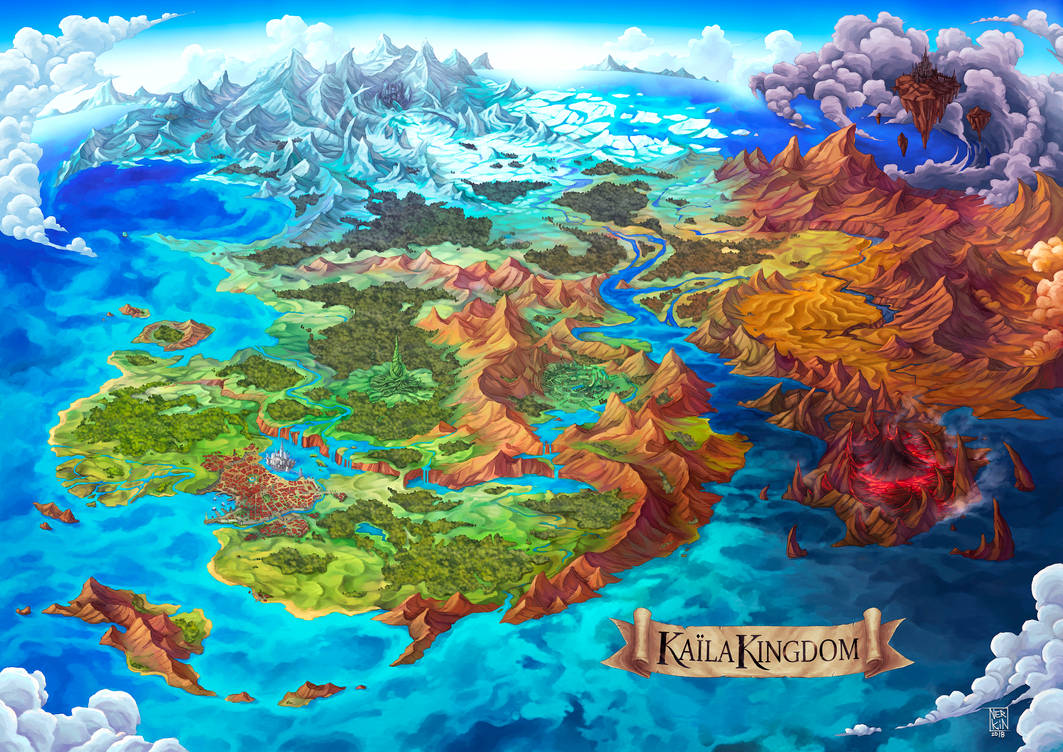
And what about the maps that aren't perfect? The ones that are incomplete, or even deliberately misleading? These can be just as fascinating! They create a sense of mystery, of the unknown. They force you to question what you're seeing, just like the characters might. It’s a clever way to build suspense and keep the reader on their toes.
The best maps, I think, are the ones that make you want to be there. They make you want to pack a bag, grab your own (real-life) map, and set off on an adventure. They’re an embodiment of wanderlust, a physical manifestation of our desire to explore the unexplored.
The Unseen Architects: Who Makes These Maps?
It’s easy to just look at a map in a book and appreciate its beauty, but have you ever thought about the folks who actually make them? It’s a special kind of talent, isn’t it? These are people who can visualize entire worlds, translate abstract ideas into tangible geography, and do it all in a way that serves the author’s vision.
Often, it’s the author themselves who draws the initial maps. They have the most intimate understanding of their creation, after all. But sometimes, they collaborate with professional cartographers, artists who specialize in creating these fantastical landscapes. These artists have to be incredibly versatile, able to adapt their style to fit the tone and genre of the book.
Think about the pressure! You're given a manuscript, a world simmering with potential, and your job is to give it form. You have to understand the history, the cultures, the flora and fauna, and then somehow distill all of that into lines and symbols on a page. It’s a huge responsibility, and when it's done well, it’s pure genius.
Some of these maps become so iconic, they’re practically characters in their own right. People frame them, collect them, even get them tattooed! That’s the power of a truly exceptional fictional map. It transcends its function as a tool within a story and becomes something cherished and admired on its own.
And it’s not always about photorealism. Sometimes, the most effective fictional maps are stylized, almost impressionistic. They rely on suggestion and atmosphere rather than precise detail. It's about evoking a feeling, a sense of place, rather than providing a literal guide. This is where the artistic interpretation really shines through.

The process itself must be fascinating. Imagine sitting down with an author, discussing the nuances of a particular mountain range that’s been the site of a pivotal battle, or the best way to depict the treacherous currents of a mythical sea. It’s a collaboration of minds, a shared journey of creation.
These mapmakers are the unsung heroes of many a story, the silent guides who make our imaginary journeys so much richer. They are the architects of our wanderlust, the cartographers of our dreams.
The Personal Touch: Why We Love Fictional Maps
So, why do these maps resonate with us so much? I think it’s about more than just understanding the plot. It’s about connection. When you have a map, you feel more invested in the world. You start to form your own mental pictures, your own theories about what’s happening just off the page.
It’s also about control and discovery. For us readers, holding that map feels like having a secret. We know where things are, even if the characters are lost and confused. It gives us a sense of agency, a feeling that we’re a step ahead, privy to information that others aren't.
And let’s be honest, it’s just plain fun! Tracing lines with your finger, trying to figure out the shortest route, imagining yourself exploring those uncharted territories… it’s a game that never gets old. It’s a way to extend the reading experience, to keep the world alive long after you’ve closed the book.
I’ve always been the type to pore over maps, even real ones. But fictional maps? They’re a whole other level of enchantment. They’re an invitation to step out of reality and into something extraordinary. They’re proof that sometimes, the most exciting journeys begin with a blank space waiting to be filled in.
So, the next time you pick up a book and there’s a map tucked inside, don’t just glance at it. Take your time. Study it. Let it guide you. Because that map, my friend, is more than just paper and ink. It’s the doorway to another world, waiting for you to explore.
What are some of your favorite fictional maps? I’d love to hear about them! Let’s chat about where we’ve all gotten lost, shall we?