
Are Skywatcher Telescopes Any Good
Ever find yourself gazing up at the night sky, maybe catching a glimpse of the moon's craters or a particularly bright star, and think, "Wow, I wonder what else is out there?" It's a feeling many of us share, that little spark of curiosity about the vast universe stretching above us. And then, inevitably, the question pops into your head: "Could I actually see more of that stuff?" This, my friends, is where telescopes come into the picture, and if you've ever dipped even a toe into the world of stargazing, you've likely stumbled upon the name Skywatcher. But the big question, the one whispered on starry nights and typed into search bars, is: Are Skywatcher telescopes any good?
Let's be honest, the world of telescopes can feel a bit like entering a secret society. You've got aperture, focal length, refractors, reflectors – it's enough to make your head spin faster than a planet in orbit! And when you're just starting out, or even if you've dabbled a bit, figuring out which brand to trust can be a real puzzle. Skywatcher seems to be everywhere, and that's a good sign, right? But does "popular" automatically mean "good"? Or are they just another brand trying to cash in on our celestial wanderlust?
Think of it like this: you're at a pizza place. You see one with a million fancy toppings and a price tag to match, and then you see a place that looks pretty standard, but there's a huge line out the door. Which one are you more likely to try? Often, that busy, seemingly unassuming place turns out to have the best, most reliable pizza, right? Skywatcher, in the telescope world, often occupies that sweet spot. They’re not usually the ultra-luxury, champagne-and-caviar kind of telescopes, but they're also not the flimsy, "looks-like-a-toy" ones you might see at a discount store. They aim for that "just right" middle ground.
What Makes a Telescope "Good" Anyway?
Before we dive headfirst into Skywatcher specifically, let's think about what makes any telescope worth your time and money. It really boils down to a few key things:
- Optical Quality: This is the biggie. Can it gather light and produce a clear, sharp image? You don't want fuzzy blobs; you want to see detail.
- Build Quality: Does it feel solid, or like it's going to fall apart if you breathe on it too hard? A sturdy mount is crucial for steady views.
- Ease of Use: Especially for beginners, a telescope that's a pain to set up and operate will quickly become a dust collector.
- Value for Money: Are you getting a decent experience for what you're paying?
It's not about having the most powerful telescope in the universe (though that sounds cool!). It's about having a telescope that lets you comfortably and enjoyably explore what's visible to you, with decent clarity.
Skywatcher's Place in the Stargazing Universe
So, where does Skywatcher fit into this equation? Well, they've carved out a reputation for being a reliable and accessible brand. They offer a wide range of telescopes, from small, portable models perfect for backyard stargazing to larger, more sophisticated setups for those who get really serious about their cosmic pursuits.
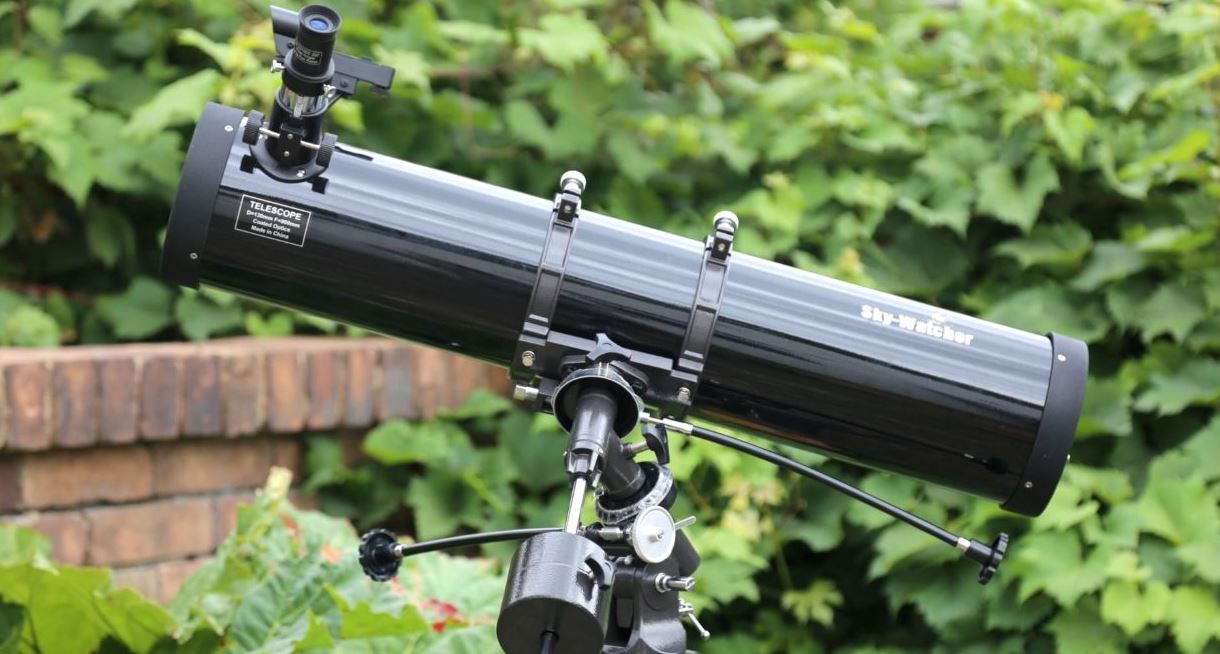
One of the things that people consistently praise about Skywatcher is their equatorial mounts. If you're not familiar, an equatorial mount is like a fancy dance partner for your telescope. Once you align it with the North Star (or South Star, depending on where you are), it can automatically track celestial objects as they move across the sky. Imagine trying to follow a fly buzzing around your room with just your eyes – it's tough, right? An equatorial mount makes tracking planets or distant galaxies as smooth as a perfectly executed waltz.
For many amateur astronomers, especially those interested in astrophotography (taking pictures of space!), Skywatcher's equatorial mounts are a huge selling point. They offer a good balance of stability and tracking accuracy without costing an arm and a leg, which is often the case with high-end mounts.

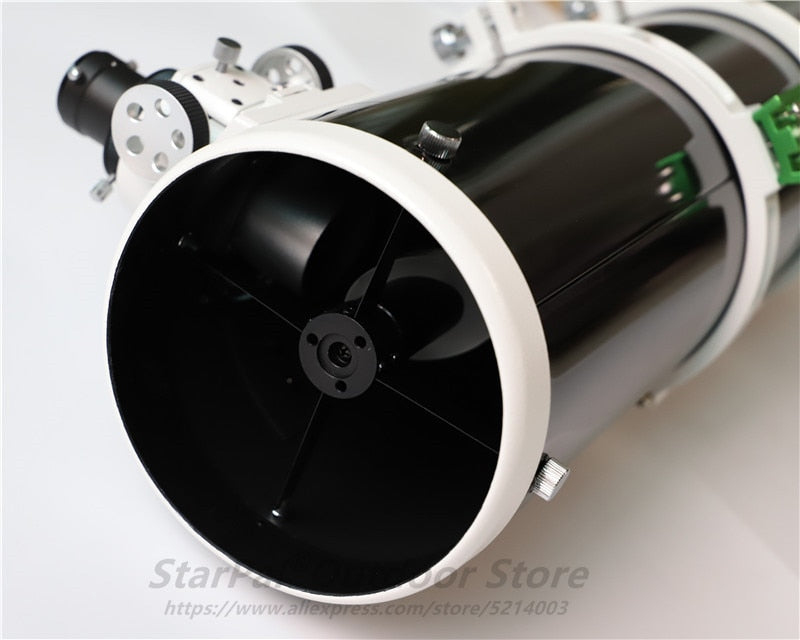
But it's not just about the mounts. Skywatcher also offers a variety of telescope types, including Newtonian reflectors (the kind with the big tube and a mirror at the bottom) and refractors (the classic "spyglass" style). Their reflector telescopes, often found in their popular "Dobsonian" series, are particularly well-regarded. Think of a Dobsonian as a no-nonsense, workhorse telescope that prioritizes getting you a big aperture (that's the main mirror or lens, which is key for gathering light!) at a reasonable price.
Dobsonian telescopes are like the reliable pickup trucks of the telescope world – they might not be the flashiest, but they get the job done, and they do it well, especially when it comes to showing you faint objects like nebulae and galaxies.
So, Are They Good? The Verdict (Kind Of!)
Okay, let's cut to the chase. Are Skywatcher telescopes good? Yes, for the vast majority of people looking to get into or further enjoy stargazing, Skywatcher telescopes are absolutely good. They offer a fantastic balance of quality, features, and price that makes them a very attractive option.
They are a great choice for beginners because they are generally well-made, relatively easy to set up, and provide clear views of celestial wonders. You won't be disappointed looking at the moon's craters, the rings of Saturn, or the moons of Jupiter. And if you're looking to upgrade from a very basic starter scope, Skywatcher often provides a significant jump in performance without breaking the bank.
Now, are they the absolute, undisputed best telescopes on the planet for every single person on Earth? Probably not. If you have an unlimited budget and are aiming for professional-level astrophotography or observing the faintest whispers of light from the very edge of the universe, you might look at more specialized, high-end brands. But for the average curious sky-gazer, the person who wants to see more than just blurry dots, Skywatcher is a solid, dependable, and often exciting choice.

Why the Popularity? It's All About Accessibility!
The reason Skywatcher has become such a popular name is simple: they make good quality astronomy equipment that's accessible to more people. They understand that not everyone can drop thousands of dollars on a telescope. They offer options that allow you to step into the hobby with confidence and start experiencing the universe in a meaningful way.
Think about learning a new skill, like playing a musical instrument. You wouldn't start with a Stradivarius, right? You'd get a decent beginner's guitar. Skywatcher telescopes are like those good beginner's guitars – they allow you to learn, practice, and truly enjoy the experience without feeling like you're fighting your equipment. And who knows, you might just fall so in love with the stars that you end up upgrading to that Stradivarius of telescopes down the line!
So, the next time you're looking up at the night sky and that little spark of curiosity ignites, remember the name Skywatcher. They're a brand that consistently delivers enjoyable stargazing experiences, making the wonders of the cosmos a little bit closer and a lot more visible for all of us.