
Best Telescope Under 300 Dollars

Ever find yourself gazing up at the night sky, feeling a little bit… small? Like you’re missing out on a cosmic party happening just beyond your reach? We get it. The universe is vast, mysterious, and frankly, a little intimidating. But what if we told you that you don’t need a second mortgage or a PhD in astrophysics to start exploring it? What if, for less than the price of a fancy new espresso machine, you could have your own personal portal to the stars?
Welcome to the wonderful world of amateur astronomy! It’s a hobby that’s seen a serious glow-up in recent years, moving beyond dusty basements and becoming as accessible and cool as a perfectly curated Spotify playlist. And at the heart of it all, for many budding stargazers, lies the quest for the best telescope under $300. It sounds almost too good to be true, right? But it’s not. It’s about smart choices, understanding what you’re looking for, and unlocking a universe of wonder without breaking the bank.
Think of it this way: remember when the first iPhone dropped? It felt revolutionary, and suddenly, a powerful computer fit in your pocket. A good telescope under $300 is kind of the same for the night sky. It’s your entry point, your first “wow” moment, your chance to see the rings of Saturn or the craters on the Moon with your own eyes. It’s about shifting your perspective from the daily grind to the grand cosmic ballet.
Decoding the Celestial Jargon: What You Need to Know
Before we dive into specific recommendations, let’s talk a little telescope lingo. It’s not as scary as it sounds, promise! It’s more like learning the secret handshake for joining the stargazing club.
Aperture: The Big Kahuna
This is, hands down, the most important spec on any telescope. Aperture refers to the diameter of the main lens or mirror. Why does it matter? Because a bigger aperture means more light-gathering ability. More light means you can see fainter objects, and fainter objects are often the most fascinating. Think of it like the pupil of your eye – a larger pupil lets in more light, allowing you to see better in the dark. For under $300, you’re typically looking at apertures in the 70mm to 114mm range for refractors and reflectors, respectively. Don’t scoff at that – it’s more than enough to deliver some truly stunning views!
Focal Length: Zooming In
Focal length determines the magnification of your telescope. A longer focal length generally means higher magnification. However, it’s not just about cranking up the zoom. Too much magnification without a wide enough aperture can lead to blurry images. Think of it like a digital zoom on your phone – it looks good at first, but then the pixelation sets in.
Types of Telescopes: The Big Two
For the sub-$300 bracket, you’ll primarily encounter two main types: refractors and reflectors.
Refractors: The Sleek and Simple
These are the classic, tube-shaped telescopes. They use lenses to gather and focus light. They’re generally lower maintenance, robust, and great for viewing planets and the Moon. Think of them as the reliable sedan of the telescope world – dependable and gets the job done beautifully. They’re also usually sealed, meaning less dust gets inside.
Reflectors: The Light Gatherers
These use mirrors to collect and focus light. They tend to offer more aperture for your dollar, meaning you can get a bigger mirror for the same price compared to a lens. This makes them excellent for observing fainter deep-sky objects like nebulae and galaxies. They’re like the sturdy SUV of telescopes – a bit more rugged, offering more power for off-road (or deep-sky) adventures. However, they can be more susceptible to dust and may require occasional collimation (aligning the mirrors), which is a fancy word for a simple adjustment.
Mounts: The Unsung Hero
This is where many budget telescopes fall short. A shaky mount will ruin even the best optics. You want something stable that allows for smooth tracking of celestial objects as the Earth rotates. For under $300, you'll likely encounter two main types: Alt-Azimuth and Equatorial.
Alt-Azimuth Mounts: Easy Does It
These move up/down (altitude) and left/right (azimuth). They are super easy to use and are perfect for beginners. Think of it like using a camera tripod – intuitive and straightforward. Many come with slow-motion controls, which are a godsend for fine-tuning your view.
Equatorial Mounts: The Enthusiast's Choice
These are designed to track the sky along the celestial pole, making them ideal for astrophotography (taking pictures of the stars). While they offer superior tracking, they have a steeper learning curve. For most beginners focused on visual observation, an Alt-Azimuth mount is perfectly sufficient and often found on the best telescopes under $300.
Our Top Picks for Cosmic Adventures Under $300
Alright, enough jargon! Let’s get to the good stuff. These are some stellar options that consistently get rave reviews from amateur astronomers and punch well above their weight class.
1. Celestron PowerSeeker 127EQ / 114AZ
This is a classic for a reason. Celestron is a big name in the astronomy world, and their PowerSeeker series offers excellent value. The 127EQ is a Newtonian reflector with a 127mm aperture on an equatorial mount. It’s fantastic for seeing the rings of Saturn, Jupiter’s moons, and even brighter deep-sky objects. The 114AZ is a similar reflector but on an Alt-Azimuth mount, making it a bit more user-friendly for absolute beginners.
Why we love it: It packs a lot of aperture for the price. You’ll be surprised by what you can see. The equatorial mount on the 127EQ, once you get the hang of it, allows for smooth tracking. Plus, Celestron is known for its support and accessories, so you can grow with it.
Fun Fact: The first Newtonian telescope was built by Sir Isaac Newton himself in 1668! It was a groundbreaking design that revolutionized how we observe the universe.
Practical Tip: While the included eyepieces are a starting point, consider investing in a decent medium-magnification eyepiece (around 15mm-25mm) to get even more out of this scope. It’s a small upgrade that makes a huge difference.

2. Orion Skyscanner 100mm TableTop Reflector
If you’re looking for something compact and incredibly easy to use, the Skyscanner is your guy. This Newtonian reflector is designed to sit on a tabletop or sturdy surface. Its 100mm aperture is impressive for its size, and the Alt-Azimuth base makes it a breeze to point and shoot at the sky.
Why we love it: Portability and simplicity. You can literally take it out of the box, put it on a patio table, and be stargazing within minutes. It’s perfect for spontaneous viewing sessions. It’s also surprisingly capable for its size, offering bright and clear views of the Moon and planets.
Cultural Reference: Imagine a miniature Hubble that you can hold in your hands and take on a picnic under the stars. That’s the vibe!
Fun Fact: The Orion constellation is so prominent that it's visible from almost everywhere on Earth, making it a great starting point for new stargazers.
Practical Tip: Because it’s a tabletop scope, make sure you have a stable surface to place it on. A sturdy picnic table or even a low stool can work wonders. Also, keep an eye on its included eyepieces; a slightly better one can unlock even more detail.
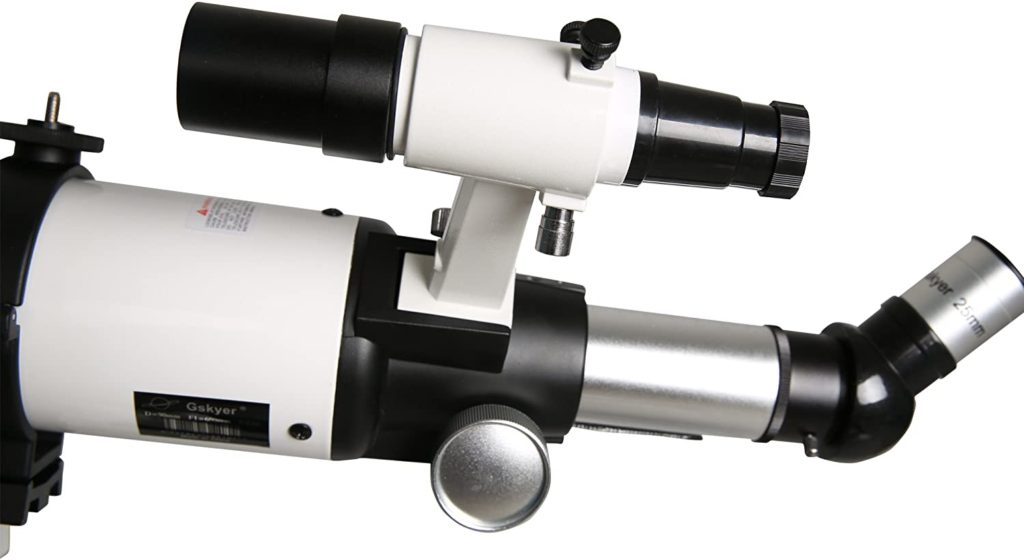
3. Gskyer Astronomy Refractor Telescope 70mm Aperture
For those who prefer the simplicity and clarity of a refractor, this is a fantastic option. The 70mm aperture is excellent for brighter celestial objects, and refractors generally offer sharp, high-contrast views. These often come with a tripod and are very beginner-friendly.
Why we love it: It’s a true grab-and-go telescope. Set up is usually quick, and the views of the Moon and planets are stunningly sharp. It’s often bundled with accessories like a smartphone adapter, which is a fun way to share your discoveries.
Fun Fact: Refracting telescopes were the first type of optical telescope invented. The first one was documented by Hans Lippershey in 1608.
Practical Tip: Look for models that include a diagonal mirror; this makes viewing more comfortable, especially when the telescope is pointed high in the sky. Also, resist the urge to crank up the magnification too high; often, a moderate magnification provides the sharpest and most enjoyable views.
4. Zhumell Z8 Dobsonian (if you catch it on sale!)
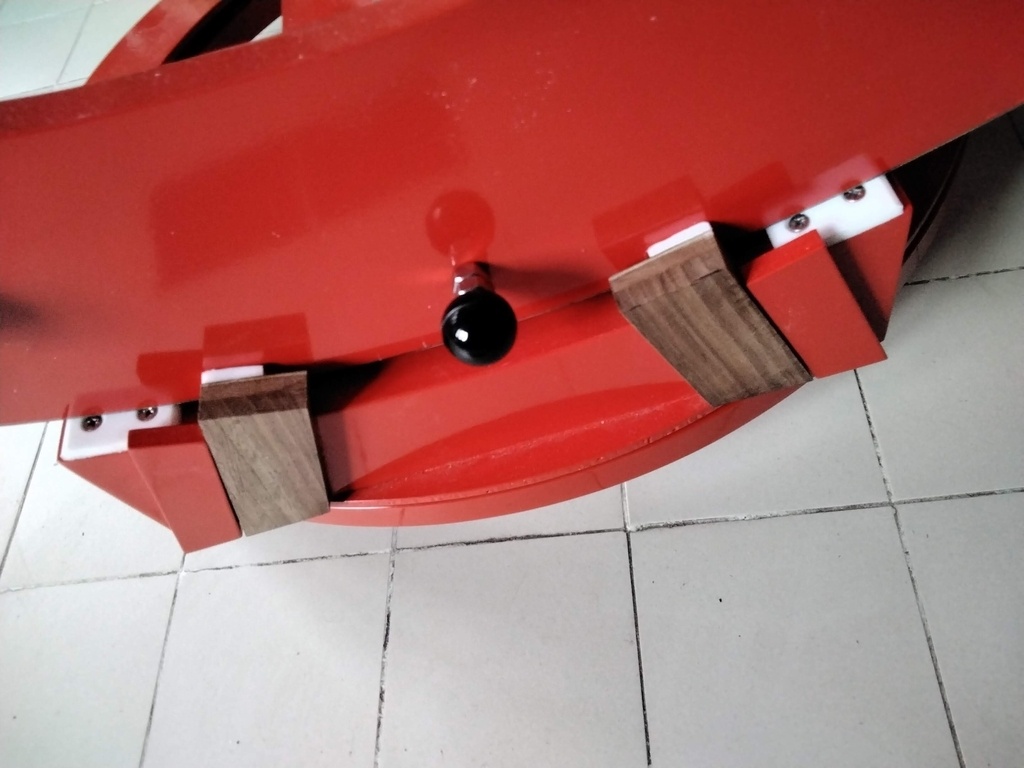
Okay, this is a bit of a stretch for consistently under $300, but if you’re patient and keep an eye out for sales, you might just snag a Dobsonian telescope in this price range. The Zhumell Z8 is a benchmark for entry-level Dobsonians, boasting a massive 8-inch (203mm) mirror. This is a serious light-gathering machine.
Why we love it: Aperture, aperture, aperture! An 8-inch mirror will show you galaxies, nebulae, and star clusters that are simply invisible in smaller scopes. It’s mounted on a simple but stable rocker box base (the "Dobsonian" mount), making it surprisingly easy to use for its size. It’s the closest you can get to a professional-level view on a beginner’s budget.
Cultural Reference: This is your “zoom-in on the universe” button. It’s the telescope that makes you feel like you’re truly part of the cosmos.
Fun Fact: Dobsonian telescopes are named after John Dobson, who popularized them in the 1960s as a way to make large telescopes more affordable and accessible.
Practical Tip: While easy to use, Dobsonians can be large. Ensure you have a dedicated spot to store it. Also, be prepared for its "wow" factor – it might attract curious neighbors and friends!

Beyond the Purchase: Tips for a Stellar Experience
You’ve got your telescope; now what? Here’s how to make the most of your cosmic journey.
Location, Location, Light Pollution!
This is crucial. The biggest enemy of amateur astronomy is light pollution. Those pesky streetlights and city glows wash out the faint light of distant stars and galaxies. If you can, drive a little way out of town to a darker sky. Even a local park on the outskirts of your city can make a world of difference. Your eyes will thank you, and the universe will reveal itself in ways you never imagined.
Give Your Eyes Time to Adjust
Your eyes need about 20-30 minutes to fully adapt to the dark. Don’t rush it! Resist the urge to look at your phone (its blue light is killer for night vision) or turn on bright lights. Use a red flashlight to preserve your night vision. It might feel like you’re becoming a nocturnal creature, but it’s worth it.
Start Simple, Go Deeper
Don’t try to find the Andromeda Galaxy on your first night. Start with the Moon. It’s a bright, captivating target that’s incredibly rewarding to observe. Then, move on to brighter planets like Jupiter and Saturn. Once you’re comfortable, gradually explore the brighter star clusters and nebulae. There are tons of great apps and charts that can guide you.
Don’t Forget the Eyepieces
As mentioned, the eyepieces that come with a telescope are often the weakest link. Investing in one or two good quality eyepieces can dramatically improve your viewing experience. A medium-power eyepiece (around 15-25mm) is usually a great first purchase.
Join the Community!
Amateur astronomy is a social hobby! Look for local astronomy clubs. These are filled with experienced stargazers who are usually more than happy to share their knowledge, equipment, and favorite observing spots. You’ll learn more in one outing with a club than you might in months of solo observing.
A Reflection on the Everyday Cosmos
It’s easy to get caught up in the hustle of daily life – the to-do lists, the deadlines, the endless scroll. We become so focused on the immediate, the terrestrial, that we forget there’s an entire universe out there, unfolding its silent, breathtaking story above us every single night. A telescope, even an affordable one, is more than just an instrument; it’s a reminder. It’s a tool that pulls us out of our heads and connects us to something infinitely larger and more profound. It teaches us patience, the beauty of observation, and the sheer, humbling wonder of our place within the cosmos. So, go ahead. Invest in a little bit of starlight. You might just find that looking up is the best way to feel grounded.