
70mm Telescope What Can You See With
Imagine holding a window to the universe in your hands. That's kind of what a 70mm telescope feels like. It's not the biggest guy on the block, but it packs a punch for its size.
Think of it as your trusty sidekick for stargazing adventures. It's super portable, which is awesome. You can easily take it to the park, your backyard, or even on a camping trip.
So, what magical sights can this nifty gadget reveal? Lots of cool stuff, honestly! It's like getting a backstage pass to the cosmos without needing a rocket ship.
The Moon: Our Nearest Neighbor
Let's start with the star of the show, our very own Moon. With a 70mm telescope, you'll be blown away by the details. Forget those blurry photos; you'll see craters like you've never imagined.
You can spot the vast plains, called maria, which are ancient lava flows. It's pretty mind-blowing to see these features up close. It feels like you're peering right at its surface.
And the mountain ranges! They cast long shadows, especially near the terminator (where day meets night on the Moon). It's a constantly changing landscape to observe.
The Planets: Tiny Worlds to Discover
Now, onto the planets! While you won't see swirling storms on Jupiter with this scope, you can still see some amazing things.
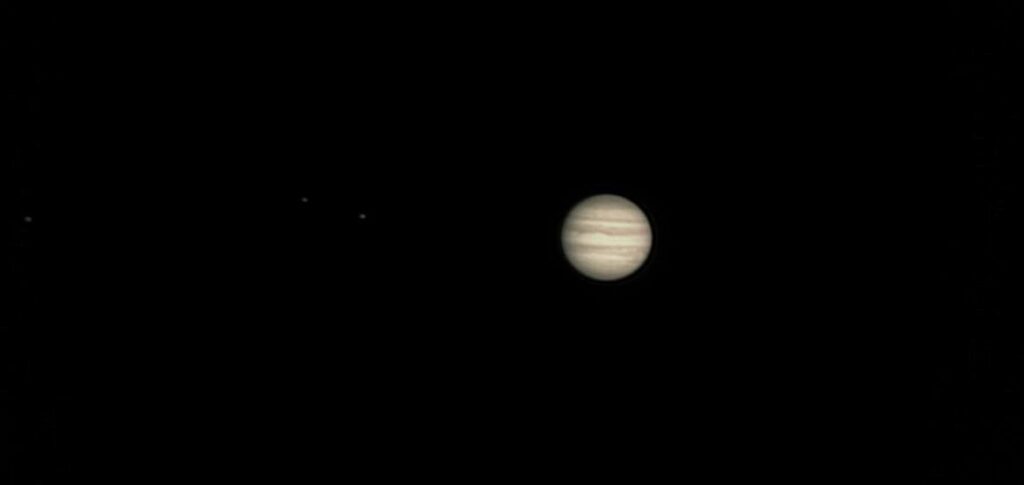
You can definitely make out the giant planet Jupiter. And the coolest part? You might even spot some of its brightest moons! They look like tiny little stars dancing around it.
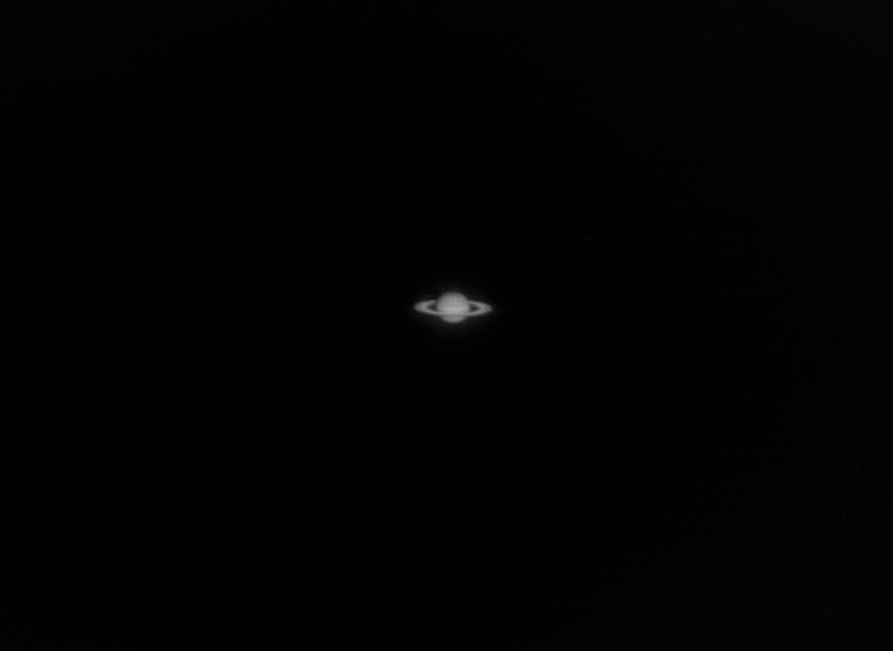
Then there's Saturn. Oh, Saturn! While you might not see every little ring detail, you can absolutely see its famous rings. It's a breathtaking sight that never gets old.
You can also see the reddish hue of Mars. It might appear as a small, reddish dot, but knowing you're looking at another planet is still pretty darn exciting.
And don't forget about Venus. You can see it change its shape, almost like the Moon does. This is called its phases, and it's a neat demonstration of how planets orbit.
Star Clusters: Sparkling Jewels in the Sky
Move beyond the planets, and you'll find dazzling collections of stars called star clusters. These are groups of stars that are all born at the same time.
The Pleiades, also known as the Seven Sisters, is a famous one. With a 70mm telescope, you'll see far more than just a few faint stars. It looks like a tiny, sparkly diamond necklace strewn across the sky.

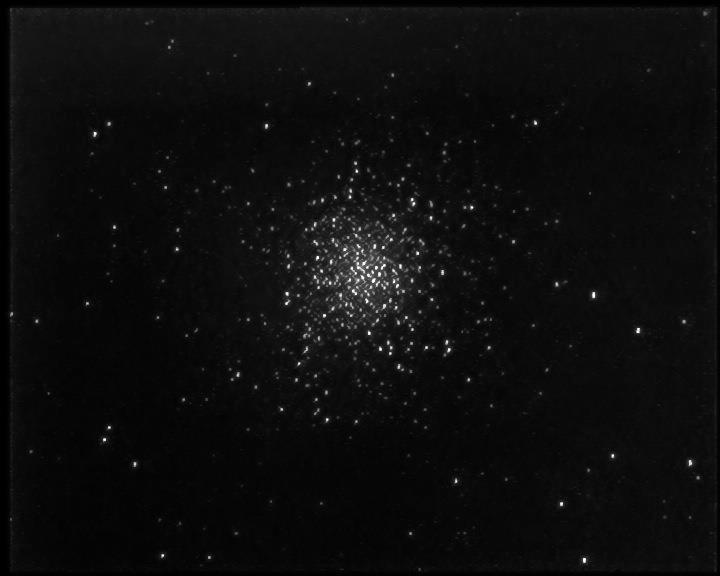
There are also globular clusters, which are super-dense balls of stars. They can look like fuzzy clouds of light, each containing thousands, or even millions, of stars.
Nebulae: Cosmic Nurseries
Nebulae are clouds of gas and dust where stars are born. They are some of the most beautiful objects in the universe.
Some brighter nebulae, like the Orion Nebula, are visible even with a 70mm telescope. It might appear as a faint, ghostly smudge of light, but it's a gigantic star-forming region.
These are places where new suns are igniting. Thinking about that while you're looking through the eyepiece is pretty awe-inspiring.
The Milky Way: Our Galactic Home
On a clear, dark night, away from city lights, you can witness the grandeur of the Milky Way. It's our own galaxy, and it stretches across the sky like a shimmering river of stars.
A 70mm telescope can help you resolve some of the individual stars within its glowing band. It makes the vastness of our galaxy feel a little more tangible.

It's a reminder that we're all part of something incredibly immense and beautiful.
Why It's So Much Fun
The entertainment factor of a 70mm telescope is off the charts! It's the perfect gateway into the wonders of astronomy.
It's accessible, meaning you don't need to be an expert to start exploring. The learning curve is gentle, and the rewards are immediate.
Every time you step outside with it, there's a chance to discover something new or see something familiar in a whole new light. It sparks curiosity and a sense of wonder.
What Makes It Special
What makes a 70mm telescope so special is its balance. It's powerful enough to show you truly remarkable things without being overwhelming.
It's also incredibly versatile. You can use it for stargazing, but many models are also great for observing terrestrial objects during the day.
Think of spotting birds from afar or getting a closer look at distant landscapes. It’s a multi-purpose tool for exploration.
Its portability is a huge plus. You're not tied down to one spot. Adventure is always just a few steps away, and so is the universe.
It's the kind of instrument that can ignite a lifelong passion for the stars. It’s the first step on an incredible journey of discovery.
So, the next time you look up at the night sky, imagine what you could be seeing with a little help. A 70mm telescope is a fantastic way to start.
It's an invitation to explore the cosmos, one sparkling point of light at a time. Happy stargazing!