
Pex Tubing With Oxygen Barrier
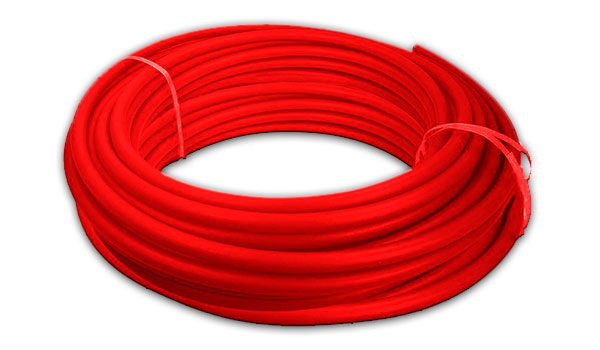
Hey there, fellow homeowners and DIY adventurers! Ever found yourself staring at a tangle of pipes under the sink, or wondering what that weird-looking plastic tubing in the plumbing aisle is all about? Today, we’re going to dive into something that might sound a little technical at first, but trust me, it’s got some seriously cool implications for your home and your wallet. We’re talking about PEX tubing with an oxygen barrier.
Now, I know what you might be thinking. "PEX? Oxygen barrier? Is this a chemistry lesson or a plumbing article?" Stick with me, because it’s far less intimidating than it sounds, and frankly, it’s a little bit of a plumbing superhero in disguise.
So, What Exactly IS PEX Tubing?
Let’s start with the PEX itself. PEX stands for cross-linked polyethylene. Try saying that five times fast! But all that fancy scientific jargon just means it’s a really flexible, durable, and easy-to-work-with type of plastic tubing used for plumbing. Think of it like a super-powered garden hose, but for your hot and cold water. It’s much easier to bend than old-school copper pipes, meaning fewer joints and less fuss when you’re running water lines.
Imagine you’re trying to thread a stiff wire through a tight maze versus using a bendy straw. PEX is the bendy straw. This makes installation a breeze, which is a big win for both professional plumbers and us DIY enthusiasts who like to tackle a project or two.
And the "Oxygen Barrier" Part?
This is where our superhero cape comes on! Not all PEX tubing is created equal. The kind we’re excited about today has a special layer, an oxygen barrier, usually embedded within the tubing itself. Its job is pretty straightforward: to prevent oxygen from getting into your water system.
Now, you might be asking, "Why would I care if a little oxygen gets into my water? I breathe oxygen all day long!" And that's a fair question. But in a plumbing system, especially one that involves metal components like water heaters or boilers, that little bit of oxygen can cause some sneaky problems over time.

The Sneaky Culprit: Oxygen Corrosion
Think about what happens to a metal bike chain left out in the rain. It gets rusty, right? That’s corrosion. In your home's plumbing, especially in closed-loop heating systems (like radiators or radiant floor heating), oxygen can sneak into the water and start a slow, silent attack on metal parts. It’s like tiny little oxygen gremlins having a picnic on your boiler.
This corrosion can lead to a whole host of annoying issues:
- Reduced efficiency: Rusty pipes and components don’t transfer heat as well. Your heater might have to work harder, which means higher energy bills. It’s like trying to sip a milkshake through a straw that’s partially clogged – it just doesn’t flow as easily.
- Damage to your heating system: Over time, corrosion can eat away at pipes, seals, and other vital parts of your boiler or water heater. Repairs can be expensive, and nobody likes unexpected repair bills popping up like a bad penny.
- Sludge and debris: The rust and other particles created by corrosion can build up, forming a sludge that circulates through your system. This gunk can clog filters, damage pumps, and generally make your system unhappy.
PEX with an Oxygen Barrier: The Hero We Deserve
This is where our PEX tubing with an oxygen barrier shines. That special layer acts like a force field, keeping the oxygen out. It’s like putting a waterproof case on your phone when you’re going to the beach – it protects the valuable stuff inside.

By preventing oxygen from entering your plumbing, especially in heating systems, this type of PEX offers some pretty fantastic benefits:
1. Protection for Your Precious Heating System
This is the big one. If you have a radiant floor heating system, or radiators connected to a boiler, using PEX with an oxygen barrier is a no-brainer. It significantly reduces the risk of corrosion attacking your boiler, pumps, and other metal components. This translates to a longer lifespan for your system and fewer headaches for you.
Imagine you’re baking a cake, and you accidentally get a tiny piece of eggshell in the batter. It’s not the end of the world, but it’s annoying. Oxygen in your heating system is like that, but instead of a tiny shell, it's a tiny gremlin causing corrosion. The oxygen barrier prevents the gremlin from even getting to the cake batter (your system).
2. Improved System Efficiency and Lower Energy Bills
When your heating system isn’t battling corrosion, it can operate more efficiently. Clean pipes and components mean better heat transfer. This can lead to your system using less energy to achieve the same level of warmth in your home. Who doesn’t love saving a few bucks on their energy bill? It’s like finding a forgotten twenty-dollar bill in your winter coat pocket – a little surprise of joy!

3. Quieter Operation
Sometimes, corrosion and debris in pipes can cause gurgling, banging, or other unpleasant noises in your plumbing. By keeping the system clean and free of corrosive elements, PEX with an oxygen barrier can contribute to a quieter and more peaceful home environment. You can finally enjoy that cup of tea without being startled by a random pipe groan.
4. Durability and Longevity
Ultimately, protecting your plumbing system from corrosion means it will last longer. Replacing pipes or a boiler is a major expense. By investing in PEX with an oxygen barrier, you’re making a smart choice for the long-term health and functionality of your home’s essential systems.
Where Do You Find This Marvelous Tubing?
You'll typically find PEX tubing with an oxygen barrier being used in:
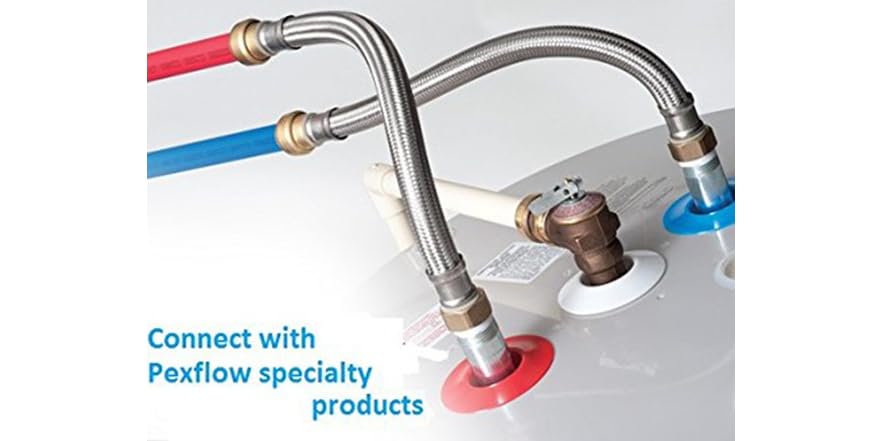
- Radiant floor heating systems: This is where it’s most commonly and importantly used.
- Boiler-based hydronic heating systems (radiators): Any system that circulates hot water from a boiler.
- Potentially for domestic hot water in certain applications: While not always strictly necessary for all hot water lines, some prefer it for added protection, especially in areas with aggressive water.
When you're shopping for PEX, look for descriptions that specifically mention an "oxygen barrier" or "O2 barrier." It’s often a different color or has a slightly different construction than standard PEX, but the labeling will tell you.
The Takeaway: A Small Choice for Big Benefits
So, next time you’re thinking about plumbing projects, or even just chatting with your plumber, keep PEX tubing with an oxygen barrier in mind. It might seem like a small detail, a little extra something, but its impact on the health and efficiency of your heating system can be enormous.
It’s about making smart choices that protect your home, save you money in the long run, and keep things running smoothly and quietly. Think of it as giving your home’s circulatory system a little bit of extra TLC. And who doesn’t want a happy, healthy home?
Happy plumbing!