
Telescope Ota Tube Rings

Ever looked up at the night sky and felt a thrill, a deep curiosity to explore those twinkling diamonds further? If you've ever dipped your toes into the incredible world of amateur astronomy, you've likely encountered a seemingly simple, yet utterly crucial component: telescope OTA tube rings. Now, don't let the technical-sounding name fool you. These aren't just boring bits of metal; they're the unsung heroes that allow your telescope to dance with the stars, delivering breathtaking views of distant nebulae, planets, and galaxies. Think of them as the perfectly sculpted cradles that hold your precious optical tube assembly (OTA), ensuring it points precisely where you want it to go and stays there steady as a rock.
So, what exactly are these magical rings and why should you care? At their core, OTA tube rings serve a fundamental purpose: to securely attach your telescope's optical tube to its mount. But it's the elegance and effectiveness of this attachment that makes them so important, and frankly, rather fun to discuss. Imagine trying to balance a long, slender rod on a wobbly stand – not exactly ideal for steady viewing! Tube rings provide a sturdy, reliable connection, distributing the weight of your OTA evenly and allowing for smooth, controlled movements as you track celestial objects across the sky.
The Purpose and Perks of Perfect Pairing
The primary job of OTA tube rings is to provide a stable and adjustable platform for your telescope. They typically consist of two (or sometimes more) hinged metal bands that clamp around the cylindrical body of your telescope. These bands then attach to your telescope mount, whether it's a robust equatorial mount designed for long-exposure astrophotography or a simpler alt-azimuth mount perfect for casual stargazing. This secure connection is paramount. A loose or wobbly attachment means blurry images and frustrating tracking. Tube rings, when properly fitted, eliminate this wobble, ensuring that every nudge and turn of your mount translates directly into precise aiming of your telescope.
But the utility doesn't stop at just holding the tube. Many OTA tube rings offer a degree of adjustability, which is incredibly useful. This allows you to fine-tune the balance of your telescope on its mount. A well-balanced telescope is a dream to use. It requires less effort to move and keeps the mount's motors (if you have them) from straining. This balance is especially critical for astrophotography, where even the slightest imbalance can lead to trailing stars and ruined images. By adjusting the position of the tube within the rings, you can achieve perfect equilibrium, making your stargazing sessions, or your imaging adventures, significantly more enjoyable and productive.
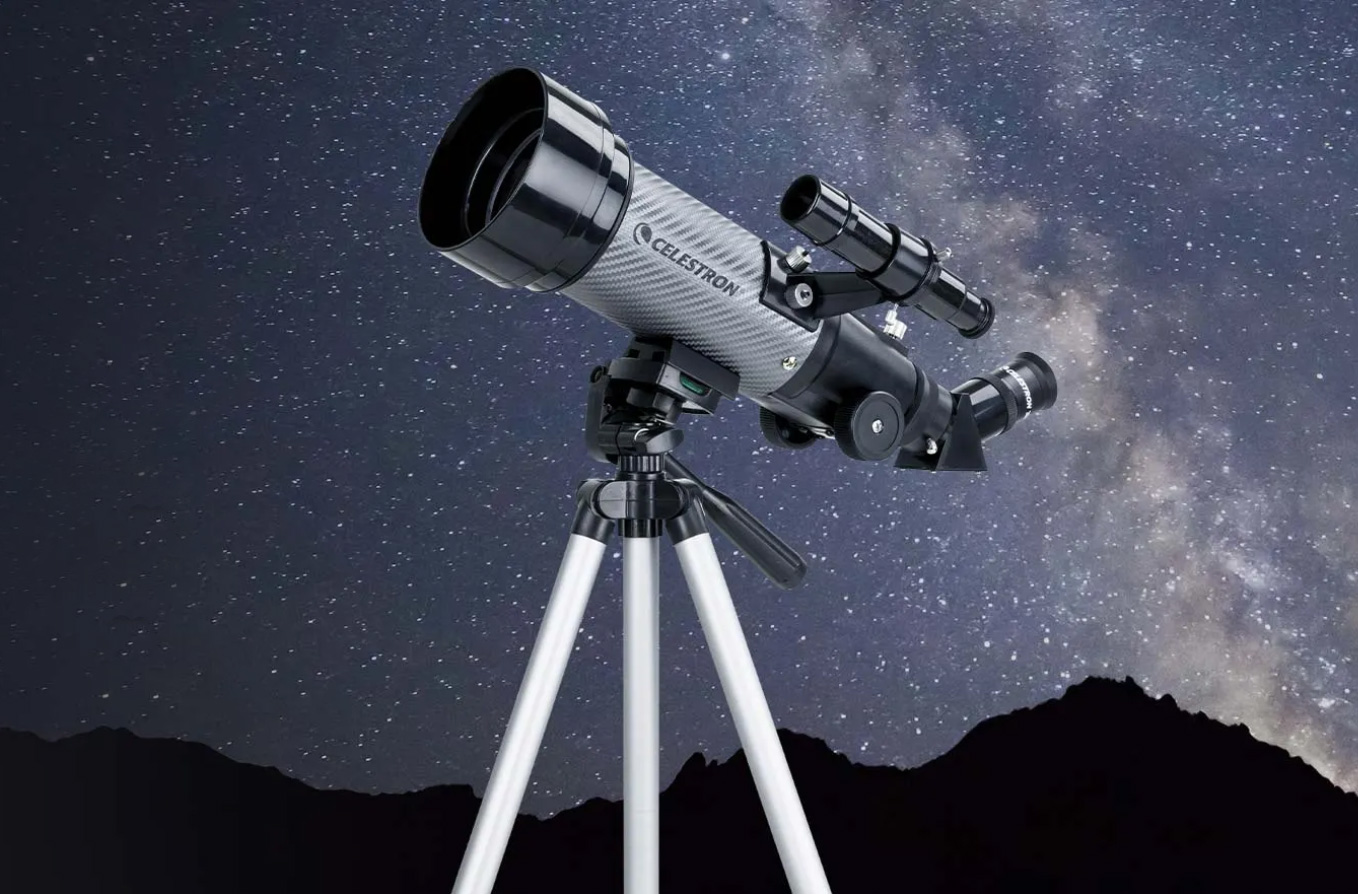
Furthermore, OTA tube rings are often designed with accessibility and compatibility in mind. They come in various sizes to accommodate different telescope diameters, ensuring a snug fit for almost any OTA. They also often feature standard mounting holes or dovetail bars, making them compatible with a wide range of telescope mounts. This adaptability is a huge plus for amateur astronomers who might upgrade their mount or telescope over time. It means your trusty tube rings can often make the journey with you, saving you money and hassle.
The beauty of good OTA tube rings lies in their understated efficiency. They do their job so well, you almost forget they're there, allowing you to focus entirely on the wonders of the cosmos.
Consider the different types of telescopes you might encounter. Reflector telescopes, with their large primary mirrors, can be quite hefty. Refractor telescopes, while often sleeker, can also have significant length. Regardless of the design, the optical tube is the heart of your telescope, and it needs to be supported with care and precision. OTA tube rings provide this vital support, acting as the bridge between your eyepiece and the vast expanse of space.

For those who get bitten by the astrophotography bug, the importance of robust OTA tube rings is amplified. When you're taking long exposures, sometimes for minutes at a time, any vibration or flexure will ruin your image. High-quality tube rings, often made from lightweight yet rigid materials like aluminum, minimize flexure and provide a stable platform for your camera and telescope. They are an integral part of creating sharp, detailed astrophotos that reveal the incredible beauty of celestial objects in ways that casual observation simply cannot.
Looking at them, you might see simple metal circles, but think of them as precision-engineered components. They are designed to hold your valuable optics securely, to allow for smooth and accurate pointing, and to contribute to the overall stability and performance of your astronomical setup. They are a testament to how seemingly minor accessories can have a massive impact on your experience. So, the next time you're setting up your telescope, take a moment to appreciate these unsung heroes. The telescope OTA tube rings are quietly working hard to bring the universe to your doorstep, one perfectly held star at a time.